In the demanding world of industrial operations, the reliability of your equipment is paramount. This is especially true for cooling systems, where durable condensers serve as the backbone of efficiency. Investing in robust industrial condenser solutions is no longer a luxury but a necessity for preventing costly downtime and ensuring consistent performance across a variety of challenging environments. Modern systems are engineered to not only perform but to last, providing long-term value and peace of mind.
Unrivaled Resistance to Corrosion
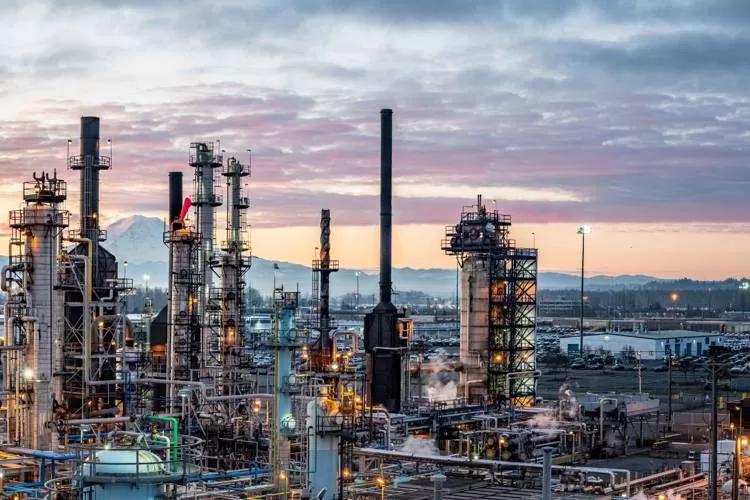
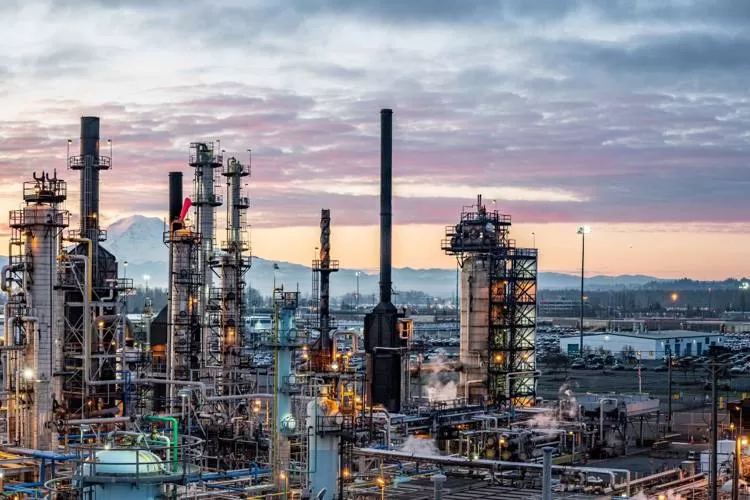
One of the most significant advancements in modern condenser design is the focus on heat exchanger corrosion resistance. A truly corrosion-resistant condenser utilizes specialized alloys and coatings to withstand the harshest chemical, saline, and atmospheric conditions. This is particularly vital for applications in chemical processing plants, refineries, and coastal facilities, where marine-grade condensers are essential for preventing premature failure. By selecting equipment built with superior corrosion-resistant materials, industries can significantly extend the operational lifespan of their systems and avoid the leaks and inefficiencies caused by degradation.
Advanced Technology for Tailored Performance
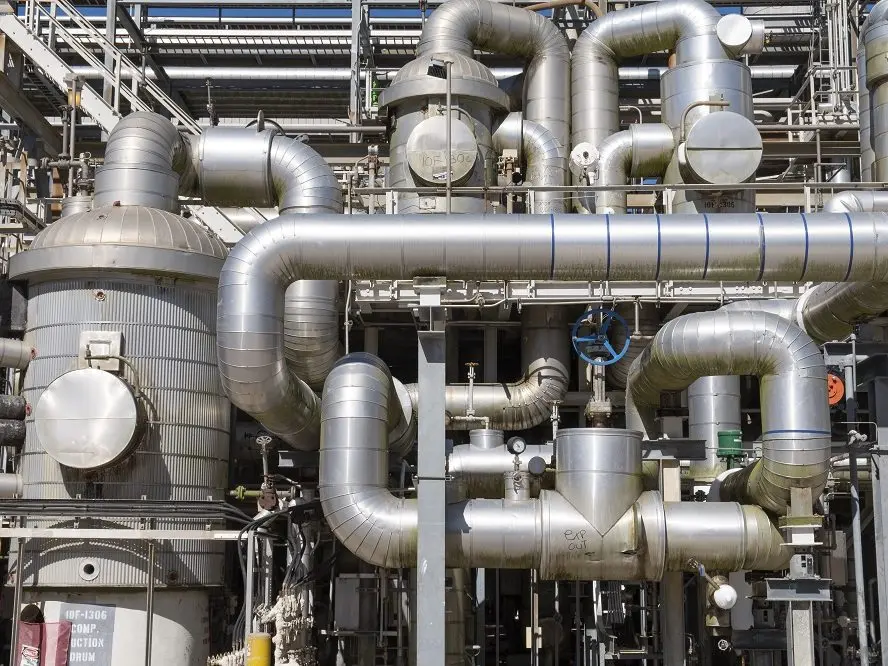
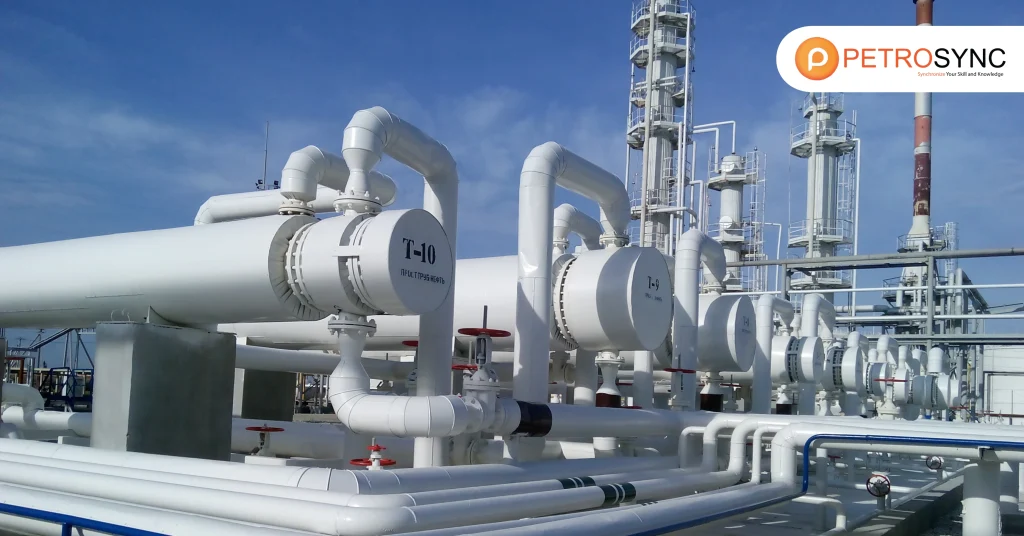
Today's durable condensers are marvels of engineering, driven by advanced condenser technology that allows for complete customization. Gone are the days of one-size-fits-all solutions. Modern units are available in a variety of configurations, including air-cooled, water-cooled (shell-and-tube or plate designs), and even hybrid systems that combine the best of both worlds. This flexibility extends to flow arrangements, with options for single-pass or multi-pass setups, ensuring that the heat exchange dynamics are perfectly matched to the specific operational requirements of any application, from power generation to pharmaceutical manufacturing.
Versatility Across High-Stakes Industries
The mark of a superior condenser is its ability to perform flawlessly across a wide range of applications. The best industrial condenser solutions are designed for versatility, seamlessly managing everything from steam condensation in power plants to complex refrigerant phase changes in large-scale HVAC systems. Whether supporting critical distillation processes in chemical facilities or managing volatile demands in refineries, a well-designed condenser proves its worth by delivering reliable vapor-to-liquid conversion. This adaptability makes it a cornerstone component for any industry that prioritizes precision and efficiency.
Engineered for Maximum Efficiency and Precision Control
Performance is measured in numbers, and modern condensers deliver impressive results. They are engineered for high heat rejection capacity and can handle substantial condensation loads, ensuring maximum throughput. More importantly, they offer precise temperature control for both vapor inlet and condensate outlet, which is crucial for maintaining product quality and consistency. This level of control, combined with an advanced heat transfer coefficient (U-value), translates directly into sustainable energy savings and optimized operational costs, moving toward truly corrosion-proof cooling systems that are as efficient as they are resilient.
A Smart Investment for Future-Proof Operations
Ultimately, choosing durable condensers is an investment in the long-term health and profitability of your operations. These systems are built to withstand rigorous conditions with minimal maintenance, maximizing your return on investment. By prioritizing advanced condenser technology and materials that fight degradation, you are not just buying a piece of equipment; you are investing in a future-proof solution. For industries looking to upgrade their infrastructure and enhance their competitive edge, robust and corrosion-proof cooling systems are the clear path forward to achieving operational excellence and sustainability.