The Essential Role of Energy Recovery Ventilators
Energy Recovery Ventilators (ERVs) are becoming increasingly critical components in modern building design, offering a sophisticated method to enhance both HVAC energy efficiency and overall indoor air quality. These systems work tirelessly to provide fresh, filtered outdoor air while simultaneously recovering energy from the exhaust air stream. This process not only reduces the energy consumption of heating and cooling systems but also contributes significantly to creating healthier and more comfortable indoor environments. As buildings become more airtight to conserve energy, the need for effective mechanical ventilation, such as that provided by ERV systems, becomes paramount.
Understanding How ERV Systems Function
At its core, an ERV system facilitates the exchange of heat and moisture between incoming fresh air and outgoing stale air. Unlike simple Heat recovery ventilators (HRVs) that primarily transfer sensible heat, ERVs are capable of transferring both sensible heat (temperature) and latent heat (moisture). During colder months, the ERV uses the warmth and humidity of the outgoing exhaust air to pre-heat and humidify the incoming cold, dry fresh air. Conversely, in warmer, humid months, it pre-cools and dehumidifies the incoming fresh air using the conditioned exhaust air. This dual-action recovery, often achieving efficiencies up to 80% in energy reclamation from exhaust streams, drastically reduces the load on primary HVAC equipment, leading to substantial energy savings and reduced operational costs.
Key Benefits in Commercial HVAC Solutions
Integrating Energy Recovery Ventilators into Commercial HVAC solutions offers a multitude of advantages. Firstly, the significant reduction in energy required to heat or cool incoming ventilation air translates directly into lower utility bills, making ERVs a smart investment for businesses. Secondly, by consistently supplying fresh, filtered air and exhausting pollutants, ERVs play a vital role in air quality improvement. This leads to healthier indoor spaces, potentially increasing occupant productivity and reducing issues related to sick building syndrome. For commercial buildings, maintaining optimal indoor air quality through effective commercial ventilation is crucial for both occupants and the longevity of the building itself.
Advanced Design and Material Considerations
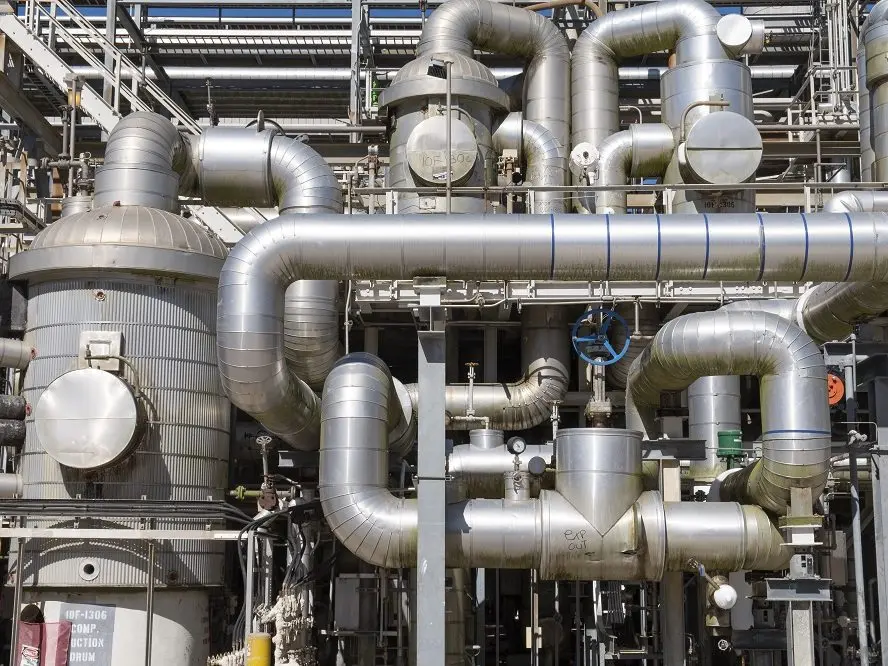
Modern ERV systems are engineered for durability and adaptability across diverse applications. The heat exchange core, the heart of the ERV, can be constructed from various advanced materials designed to maximize energy transfer efficiency while resisting corrosion and wear. Some units are built to withstand demanding conditions, using robust casings and high-quality components analogous to those found in industrial settings, such as specialized polymers or aluminum, ensuring longevity and reliable performance. This resilience makes them suitable for a wide array of commercial environments, from office buildings to schools and retail spaces, where consistent performance is key for building energy management.
Smart Controls and Integration for Optimized Performance
Contemporary ERV systems often incorporate sophisticated control systems and can be integrated into broader Building energy management (BEM) platforms. These smart controls allow for real-time monitoring and adjustment of ventilation rates based on occupancy, CO2 levels, or other environmental sensors. This ensures that the system operates at peak efficiency, providing the right amount of fresh air when needed without unnecessary energy expenditure. Features such as IoT connectivity can enable facility managers to track performance, receive maintenance alerts, and optimize energy recovery rates, ensuring the indoor air quality systems are functioning optimally and contributing to overall energy efficiency.
The Future is Energy Efficient Ventilation
As the demand for sustainable and healthy buildings continues to grow, Energy Recovery Ventilators stand out as a cornerstone of energy efficient ventilation strategies. By effectively recovering waste energy and improving indoor air quality, ERV systems address two of the most significant challenges in building design and operation. Their ability to reduce HVAC loads, cut operational costs, and enhance occupant well-being makes them an indispensable technology for new constructions and retrofits alike. Investing in advanced ERV technology signifies a commitment to sustainability, efficiency, and the creation of superior indoor environments for everyone.