The Dawn of Energy-Efficient Heat Transfer
In today's industrial landscape, the relentless pursuit of efficiency and sustainability has brought innovative technologies to the forefront. Among these, the Energy-Saving Heat Exchanger stands out as a critical component in reducing operational costs and environmental impact. These devices are not just about transferring heat; they are about doing so intelligently and resourcefully. A prime example of this evolution is the sophisticated Finned Tube Heat Exchanger, which is revolutionizing how industries manage thermal energy, promising a future where high performance and ecological responsibility go hand in hand.
Maximizing Heat Transfer Efficiency with Advanced Designs
The core principle behind an effective Energy-Saving Heat Exchanger lies in its ability to maximize Heat Transfer Efficiency. This is where Finned Tube Technology truly shines. By dramatically increasing the surface area available for heat exchange through the use of extended fins, these systems can boost heat transfer rates significantly – in some cases, by as much as 300%. This enhancement is achieved through a combination of conduction, convection, and radiation, ensuring that thermal energy is moved rapidly and effectively. The meticulous engineering behind the fins, their spacing, and their attachment to the tubes ensures that every square inch contributes to this impressive performance, making them indispensable in demanding industrial processes that require rapid temperature changes or consistent thermal management.
Optimizing Thermal Performance for Industrial Demands
Achieving optimal Thermal Performance is paramount for any heat exchange system. This involves more than just surface area; it encompasses the materials used, the fluid dynamics, and the overall construction quality. Modern Energy-Saving Heat Exchangers offer a variety of material options, including aluminum for its lightweight and corrosion-resistant properties, stainless steel for high-temperature and chemically aggressive environments, and copper or steel-aluminum composites for specific applications. This versatility allows engineers to select the perfect material to match operational demands, thereby enhancing durability and ensuring consistent performance. Furthermore, advanced manufacturing techniques, like high-frequency welding, create a seamless and robust bond between tubes and fins. This meticulous construction makes the units highly resistant to mechanical stress, vibration, and thermal expansion, guaranteeing reliable and long-lasting operation even under the most strenuous industrial conditions. Thoughtful Heat Exchanger Design also considers factors like tube size, fin pitch, and fin height to fine-tune performance for specific fluids and temperature differentials.
Smart Design for Enhanced Energy Efficiency
The journey towards greater Energy Efficiency in thermal management is heavily influenced by the Heat Exchanger Design. Compact, space-saving architectures are a hallmark of modern units, allowing for easier integration into crowded industrial environments without compromising on output. More importantly, by optimizing energy usage, these advanced heat exchangers significantly reduce power consumption. This directly translates into lower utility bills and a smaller carbon footprint for the facility. The ability to recover and reuse waste heat through well-designed Heat Recovery Systems further amplifies these energy savings. This focus on efficiency is not just an operational benefit; it's a strategic advantage, contributing to a higher return on investment by minimizing both energy expenditure and the need for frequent maintenance or premature replacement of components.
Versatility in Industrial Heat Exchangers and Heat Recovery
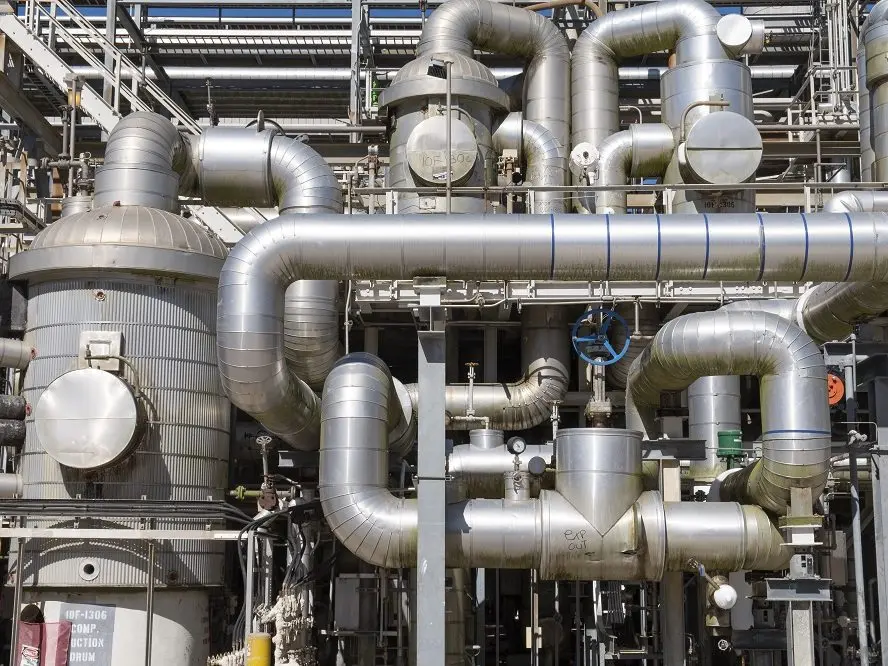
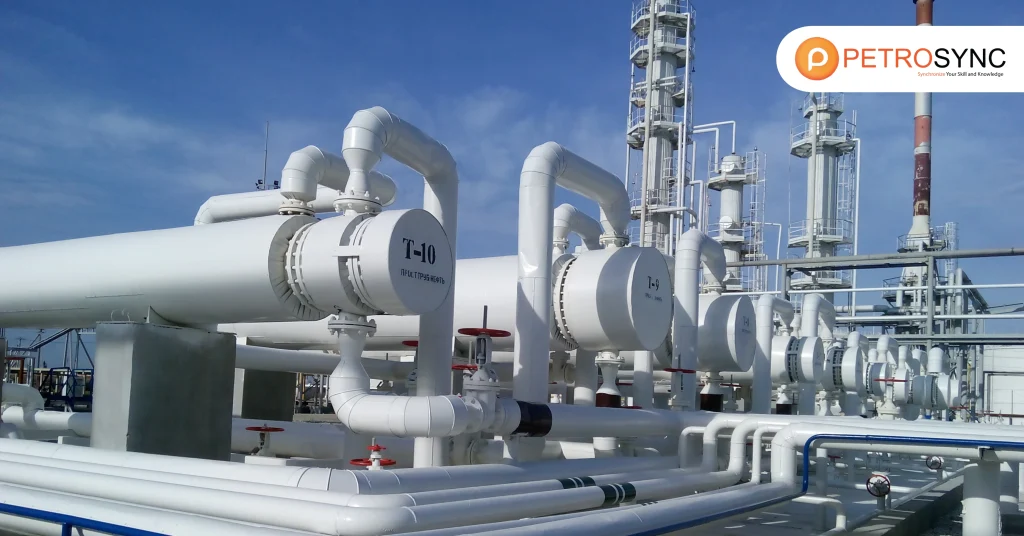
The applications for Energy-Saving Heat Exchangers are incredibly diverse, spanning numerous sectors. Industrial Heat Exchangers employing Finned Tube Technology are found in HVAC systems, power generation plants, chemical processing facilities, and refrigeration units, among others. Their adaptability stems from the ability to customize various parameters, ensuring they meet the unique requirements of each application. In the context of Heat Recovery Systems, these exchangers play a vital role in capturing waste heat from exhaust gases or industrial processes and repurposing it, thereby improving overall plant efficiency and reducing the need for additional energy input. This capability is crucial for industries striving to meet stringent environmental regulations and achieve their sustainability goals. The ease of installation, often facilitated by modular designs, and straightforward maintenance routines further enhance their appeal, minimizing downtime and operational disruptions.
Pioneering a Sustainable Future
The adoption of Energy-Saving Heat Exchangers, particularly those incorporating advanced Finned Tube Technology, signifies a major step towards more sustainable industrial practices. By significantly improving Heat Transfer Efficiency and promoting Energy Efficiency, these systems directly contribute to reducing greenhouse gas emissions. The reduced energy consumption means less reliance on fossil fuels and a smaller environmental impact. This alignment with green energy targets and environmental goals is not just a matter of compliance but a commitment to a more responsible and efficient future. As industries continue to evolve, the role of innovative thermal management solutions will only grow, making technologies that save energy and resources more critical than ever.