In the vast landscape of industrial processes, managing heat is a critical task that directly impacts operational costs and overall productivity. A key player in this field is the shell and tube heat exchanger, a robust and versatile piece of equipment designed to facilitate efficient heat transfer between two fluids. These devices are the backbone of countless applications, from power generation to chemical processing, and understanding how to select and utilize them effectively is essential for achieving optimal thermal efficiency and driving success.
Understanding the Fundamentals of Heat Exchanger Design
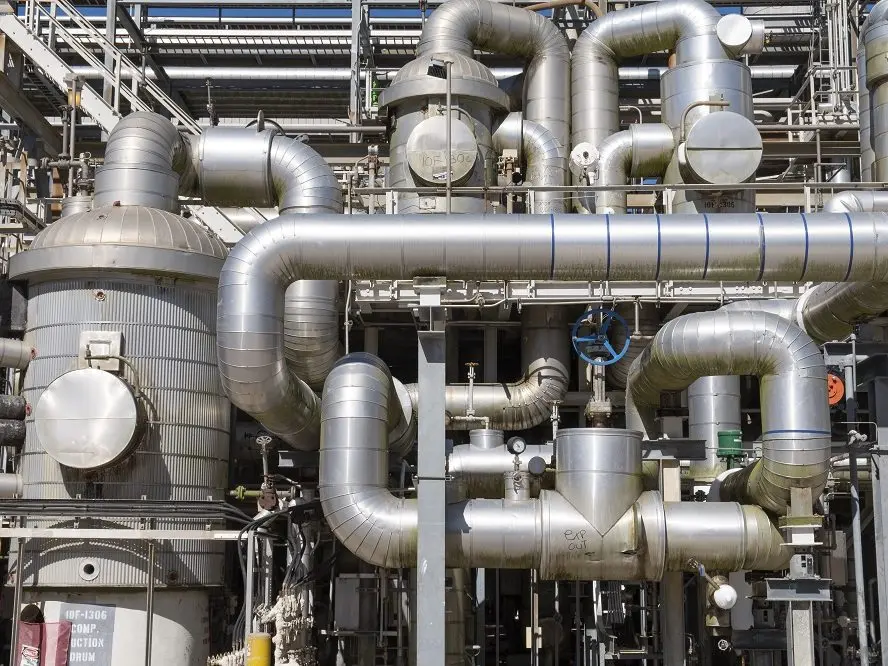
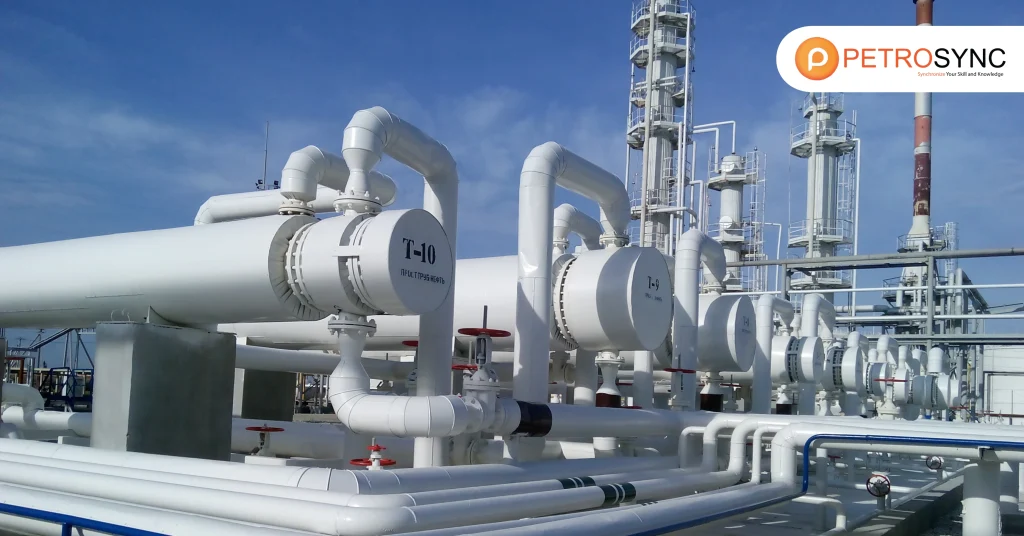
A core aspect of leveraging these devices lies in their fundamental heat exchanger design. At its heart, the system consists of a large cylindrical shell that encloses a bundle of tubes. One fluid flows through these tubes, while a second fluid flows over the tubes within the shell. This arrangement maximizes the surface area for heat exchange. Baffles are often placed within the shell to direct the flow of the shell-side fluid, creating turbulence and further enhancing the transfer of thermal energy. The meticulous organization of these components, from the robust shell to the precisely arrayed tubes, is crucial for ensuring even flow distribution and preventing issues like fouling, which makes it a superior choice for a wide range of industrial heat exchangers.
Boosting Performance with Heat Transfer Innovations
Achieving peak performance is not just about the basic structure; it's about embracing heat transfer innovations. Modern engineering has introduced significant improvements to the classic design. For example, the pitch and layout of the tubes (such as triangular or square patterns) can be optimized to balance heat transfer rates with acceptable pressure drop. Advanced materials for both the shell and tubes offer enhanced corrosion resistance and durability, extending the equipment's lifespan in harsh environments. These innovations are geared towards a singular goal: maximizing thermal efficiency, ensuring that the maximum amount of heat is transferred with minimal energy loss, which translates directly into lower operational costs and a smaller environmental footprint.
A Practical Guide to Selecting the Right Exchanger
When choosing a unit for a specific application, several factors must be considered to ensure optimal performance. First, analyze the properties of the fluids involved, including their viscosity, corrosiveness, and potential for fouling. This will dictate the best materials of construction. Second, define the operating conditions, such as the required temperatures and pressures, as this will influence the mechanical design and thickness of the components. Finally, consider maintenance requirements. A well-designed shell and tube heat exchanger should allow for easy cleaning and inspection. Carefully evaluating these aspects is a critical step in integrating effective industrial heat exchangers into your process, ensuring reliability and long-term value.
Exploring the Next Wave of Engineering Advancements
The field of thermal management is constantly evolving, with ongoing engineering advancements pushing the boundaries of what's possible. Computational Fluid Dynamics (CFD) modeling now allows engineers to simulate fluid flow and heat transfer with incredible accuracy, leading to highly optimized and bespoke designs before any metal is ever cut. New composite materials and advanced alloys are being developed to handle more extreme temperatures and corrosive substances. These forward-thinking developments promise a future where heat exchangers are even more efficient, reliable, and integral to sustainable industrial operations, representing the pinnacle of engineering excellence.