The Backbone of Modern Industry: Advanced Heat Treatment Equipment
In the landscape of modern industrial operations, the role of sophisticated heat treatment equipment cannot be overstated. These systems are fundamental to a vast array of manufacturing processes, ensuring materials achieve desired properties and products meet stringent quality standards. Central to many of these operations are advanced heat exchanger systems, which facilitate the precise control and transfer of thermal energy, a critical factor for efficiency and product integrity. Investing in high-quality heat treatment solutions is not merely an operational expense; it's a strategic move towards enhanced productivity, reduced waste, and a stronger competitive edge in any industry that relies on material transformation.
Understanding the Spectrum of Thermal Processing Equipment
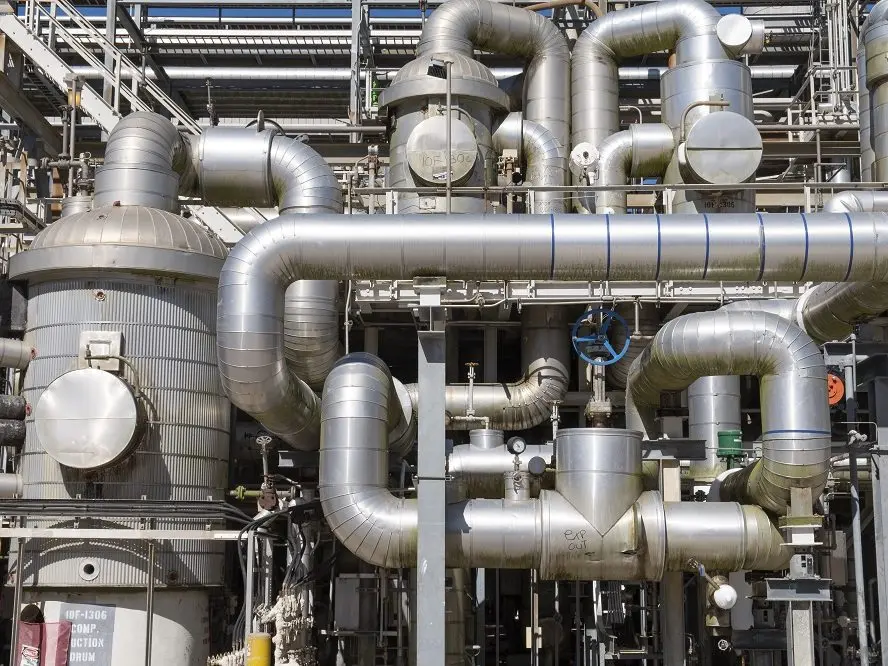
Thermal processing equipment encompasses a wide range of technologies designed to alter the physical, and sometimes chemical, properties of materials by subjecting them to controlled heating and cooling cycles. This can include furnaces, ovens, kilns, and importantly, specialized units incorporating industrial heat exchangers. The applications are diverse, ranging from annealing and tempering metals to curing composites and sterilizing products. The precision required in these processes necessitates equipment that is not only robust but also capable of delivering consistent and uniform temperature profiles. The right choice of equipment directly impacts material strength, durability, and overall performance, making it a cornerstone of quality manufacturing across sectors like aerospace, automotive, and energy.
Revolutionizing Efficiency with Modern Heat Transfer Solutions
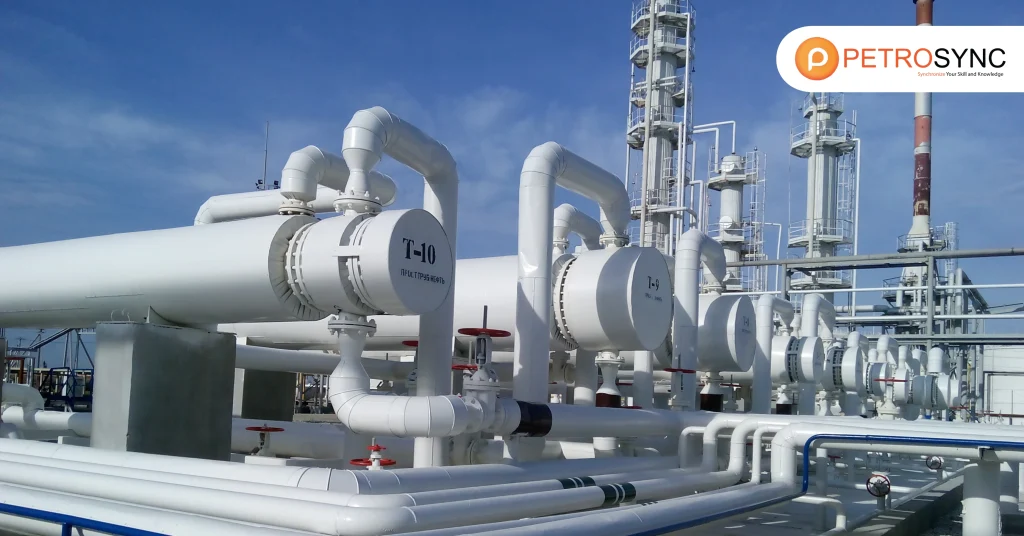
At the heart of effective heat treatment lies the science of heat transfer. Modern heat transfer solutions are engineered to maximize the efficiency of thermal energy exchange, minimizing losses and optimizing operational costs. This is particularly evident in the design of contemporary industrial heat exchangers, which are now more compact, more resilient to harsh operating conditions, and significantly more effective at transferring heat between different media. Whether it's preheating materials, recovering waste heat, or precisely cooling components, these advanced solutions ensure that every unit of energy is utilized effectively. This focus on efficiency translates directly into lower energy consumption, reduced environmental footprint, and improved process cycle times, offering substantial economic and ecological benefits.
The Unwavering Pursuit of Efficient Heat Exchangers
The demand for efficient heat exchangers continues to drive innovation in the field of thermal processing equipment. Efficiency in this context refers to several key aspects: maximizing the amount of heat transferred for a given surface area, minimizing pressure drop across the system, and ensuring long-term reliability with minimal maintenance. Manufacturers are constantly exploring new materials, intricate flow path designs, and sophisticated control systems to push the boundaries of performance. Efficient heat exchangers not only contribute to lower operational costs by saving energy but also enhance the overall productivity of the heat treatment process. For businesses looking to optimize their thermal processes, selecting the most efficient heat exchanger systems is a critical decision that yields long-term dividends in performance and sustainability.
Strategic Advantages of Superior Heat Treatment Systems
Choosing the right heat treatment equipment, inclusive of state-of-the-art heat exchanger systems, offers profound strategic advantages. It enables businesses to produce higher quality products with consistent properties, meet demanding industry specifications, and reduce production bottlenecks. Furthermore, the enhanced energy efficiency inherent in modern thermal processing equipment and particularly in efficient heat exchangers, aligns with global sustainability goals and can significantly reduce a company's carbon footprint. As industries evolve and material science advances, the role of advanced heat transfer solutions will only become more critical, making investment in this technology a forward-thinking strategy for growth and operational excellence. Embrace the power of precise thermal control and unlock new levels of performance and efficiency in your operations.