In today's demanding industrial and commercial landscapes, managing operational costs while maintaining peak performance is a constant challenge. A significant portion of these costs often stems from energy consumption, particularly in processes involving heating and cooling. Inefficient thermal regulation not only inflates utility bills but can also lead to equipment strain and inconsistent output. The solution lies in adopting advanced technology specifically designed to tackle this issue: the High Efficiency Heat Exchanger. This critical component serves as the cornerstone of modern thermal management, offering a direct path to optimized energy use and enhanced system reliability.
Understanding the Core of Thermal Efficiency
At the heart of superior thermal performance is the design of the Heat Exchanger Core. Many advanced systems utilize a finned-tube structure that brilliantly maximizes heat transfer capabilities. This often involves a Copper Tube Heat Exchanger, where a fluid like water or refrigerant flows through copper tubing, chosen for its excellent thermal conductivity. Surrounding these tubes is a dense array of fins, frequently made from lightweight, conductive material, creating an Aluminum Fin Heat Exchanger. This combination results in a Copper Aluminum Heat Exchanger that vastly increases the surface area available for thermal exchange between the internal fluid and the surrounding air. This ingenious design is the primary reason for its heightened efficiency, allowing for rapid and effective temperature regulation with minimal energy loss.
The Impact on Performance and Energy Consumption
The sophisticated design of these units translates directly into measurable gains in performance and significant cost savings. A superior Thermal Performance Heat Exchanger ensures that target temperatures are achieved more quickly and maintained with greater stability. This efficiency means that other components in the system, such as compressors and fans, do not have to work as hard or as long to do their job. The result is a substantial reduction in energy consumption, making this an essential Energy Efficient Heat Exchanger for any cost-conscious operation. Over time, these energy savings accumulate, providing a strong return on investment while also reducing the overall carbon footprint of the facility.
Versatile Applications in Demanding Environments
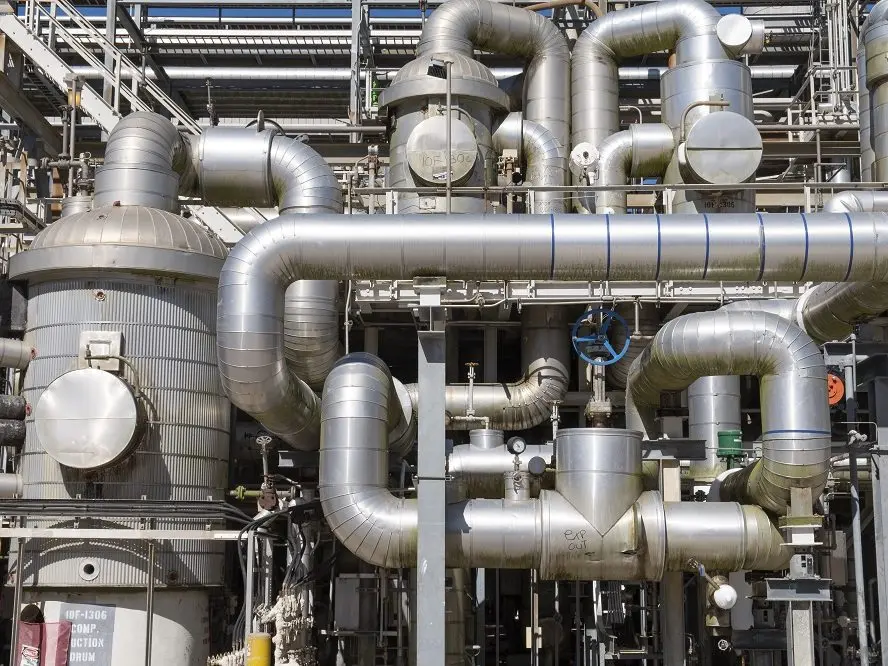
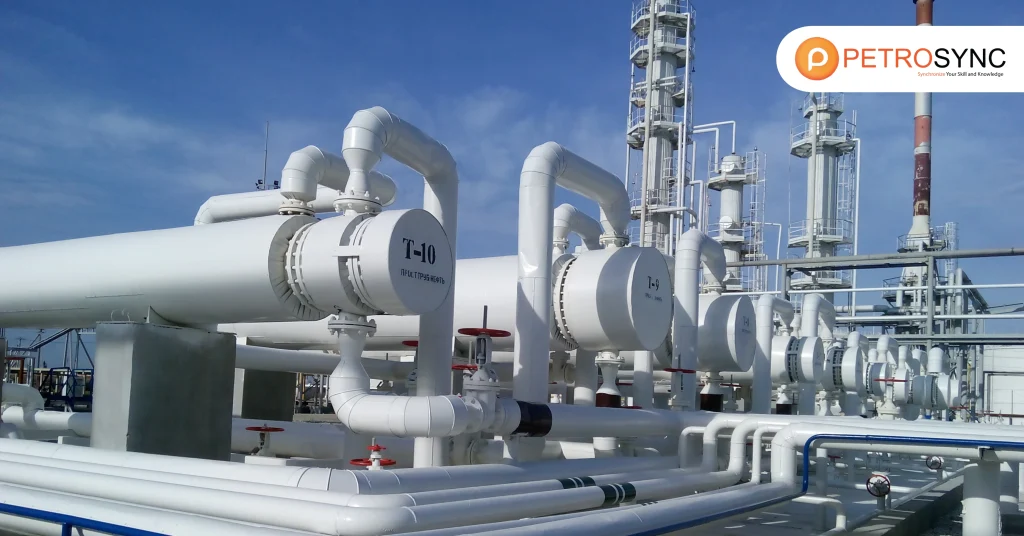
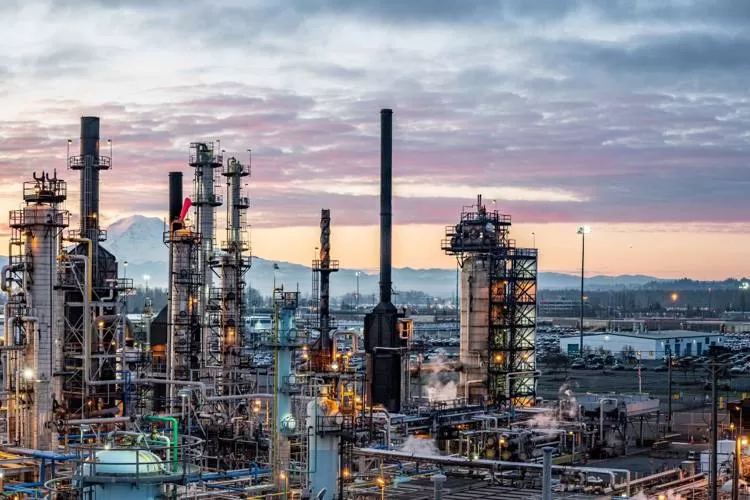
The benefits of this technology are not limited to a single sector; its applications are vast and varied. A robust Industrial Heat Exchanger is indispensable in numerous settings. In large-scale HVAC systems for commercial buildings, it ensures comfortable and consistent indoor climates while keeping utility costs in check. In manufacturing, it plays a vital role in process cooling, removing excess heat from machinery to prevent overheating and ensure continuous production. Data centers, which generate immense amounts of heat, rely on these systems for critical cooling to protect sensitive electronic equipment. From food processing plants to chemical refineries, the ability to control temperature reliably and efficiently is paramount, making this technology a versatile solution for countless industries.
Choosing the Right Solution for Sustainable Operations
Ultimately, integrating a High Efficiency Heat Exchanger into your systems is more than just a component upgrade; it's a strategic decision for a more sustainable and profitable future. By directly addressing the problem of inefficient thermal management, this technology provides a powerful solution that delivers reduced energy costs, improved operational stability, and enhanced equipment longevity. Investing in an Energy Efficient Heat Exchanger is an investment in your bottom line and your commitment to environmental responsibility, ensuring your operations are prepared for the economic and ecological challenges of tomorrow.