logo

HEAT EXCHANGER SOLUTION SINCE 2014

Innovative Finned Tube Heat Exchanger Design

  • Company news
Posted by TENGHAO On May 28 2025

Understanding Finned Tube Heat Exchanger Technology


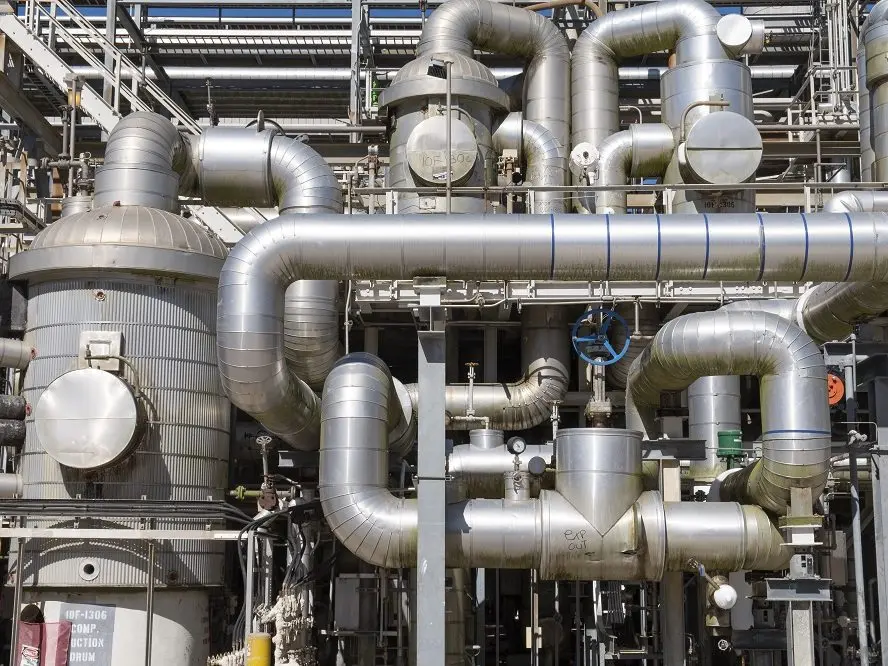
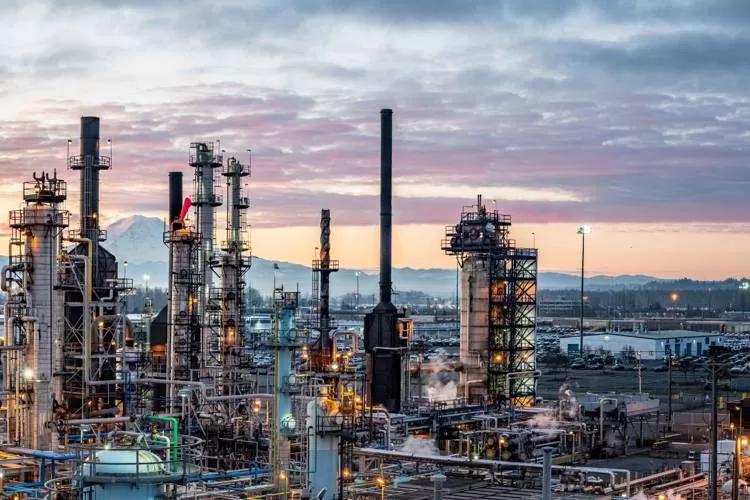
Finned tube heat exchangers are a cornerstone in the oil and gas industry, providing efficient solutions for heat transfer. Built with robust technology, these exchangers serve as critical components in oil and gas thermal equipment. The integration of finned tube technology enhances the overall thermal management system, ensuring optimal performance in various demanding conditions. When it comes to industrial finned tube exchangers, their design caters to the unique needs of oil and gas processing equipment, ensuring that operations run smoothly and efficiently.

Advantages of Titanium Plate Gasket Exchanger


Introducing the Titanium Plate Gasket Exchanger: an innovation in fluid thermal management. Crafted with high hygiene standards in mind, it boasts robust construction using pure titanium (Gr.1/2) or titanium-palladium alloy (Gr.7/11) for harsh environments. Each exchanger embraces a polished corrugated plate design, leveraging titanium's thermal conductivity to ensure heat exchange efficiency, suitable for high-temperature and pressure scenarios. The modularity of this design guarantees less downtime, making it indispensable in sectors such as chemical, marine, and pharmaceuticals. It is tailored to combat corrosiveness, with plates pairing fluororubber (FKM) or PTFE gaskets for enduring performance.

The Role of Heat Exchangers in Oil and Gas Industry


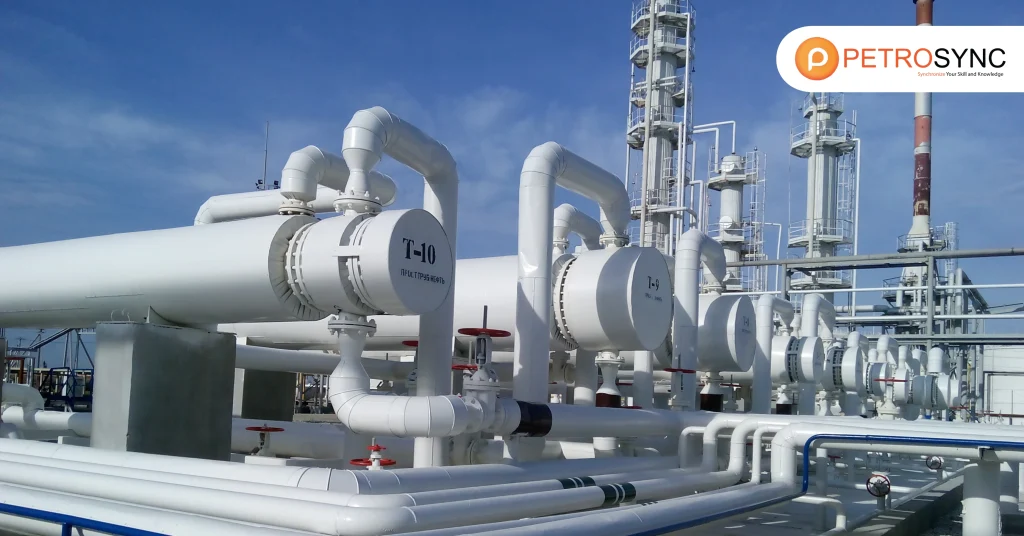
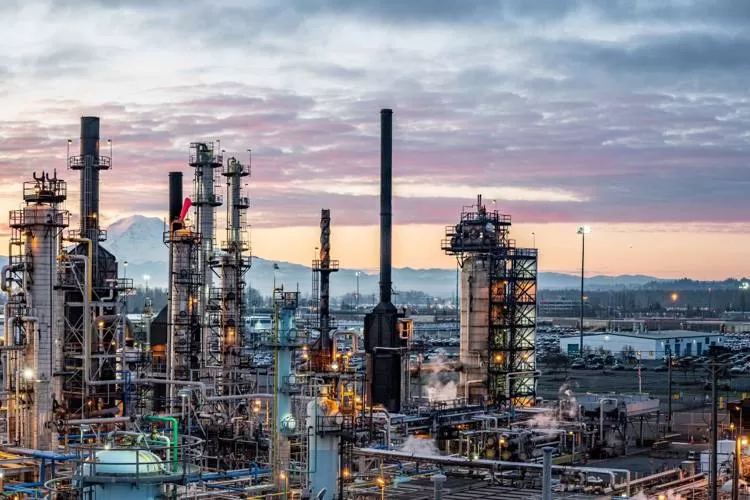
Heat exchangers play a pivotal role in the oil and gas industry by facilitating critical thermal management processes. Utilizing welded finned tube heat exchangers improves the ability of the industry to manage heat transfer solutions effectively. The adaptability and precision-engineered design help in cooling aggressive mediums such as sulfuric acid, often encountered in petrochemical plants. With certification to ASME, PED, and CE standards, the integration of these exchangers ensures reliability and enhancement of processes, making them invaluable for various applications, including geothermal power stations and seawater desalination.
Featured Blogs

Tag:

  • blog
Share On
Featured Blogs
Understanding Heat Exchanger Components: Types & Benefits

Understanding Heat Exchanger Components: Types & Benefits

1. Understanding Heat Exchangers 2. Key Heat Exchanger Components 3. Types of Heat Exchangers 4. Benefits of Advanced Thermal Equipment 5. Thermal Insulation and Hydronic Heating Systems 6. Future of Heat Exchange Solutions

Exploring Industrial Heat Exchange Equipment Designs

Exploring Industrial Heat Exchange Equipment Designs

1.Understanding Industrial Heat Exchange Equipment 2.Plate Heat Exchangers: A Game-Changer 3.Seamless Integration and Efficiency

Copper Tube Heat Exchanger: Excellence in Cooling

Copper Tube Heat Exchanger: Excellence in Cooling

1.Copper Tube Heat Exchanger: The Backbone of Efficient Cooling Systems 2.Comparison Between Copper Tube and Aluminum Fin Heat Exchangers 3.The Role of High Efficiency Air Cooling Coil in Modern HVAC Systems 4.The Ultimate Choice for Reliable and Energy-Efficient Cooling Solutions

Explore High Efficiency Heat Transfer Equipment

Explore High Efficiency Heat Transfer Equipment

1.Introduction to High Efficiency Heat Transfer Equipment 2.Benefits of Customizable Heat Transfer Solutions 3.Exploring Advanced Heat Exchanger Products 4.Efficient Industrial Heat Transfer Systems 5.Conclusion: The Future of Thermal Management

Compact Blue Heat Exchanger: Innovations in HVAC&R

Compact Blue Heat Exchanger: Innovations in HVAC&R

1. The Evolution of Cooling: A New Era in Refrigeration 2. The Critical Role of Heat Exchangers in Refrigeration 3. Inside the Innovation: Blue Heat Exchanger Technology 4. Compact Solutions for Modern Demands 5. Achieving Peak Performance and Sustainability

Industrial Heat Exchanger: Solving Inefficiency with Advanced Design

Industrial Heat Exchanger: Solving Inefficiency with Advanced Design

1.The Challenge of Inefficient Thermal Management in Industry 2.Solving Inefficiency with Superior Heat Exchanger Design 3.Built for Durability and Seamless Integration 4.Embracing High-Efficiency Thermal Exchange Systems