Introduction to Flue Gas Heat Exchangers
Flue gas heat recovery is a critical component in enhancing industrial energy efficiency. Among these, the low-temperature flue gas heat exchanger stands out for its ability to capture and reuse waste heat from exhaust gases. Designed for diverse industrial applications, this technology plays a vital role in reducing fuel costs and promoting sustainable operations.
Features & Benefits of Our Low-Temperature Flue Gas Heat Exchanger
Our state-of-the-art flue gas heat exchanger is engineered to deliver high thermal efficiency and durability. Capable of recovering between 20-60% of waste heat, it ensures substantial energy savings. The use of corrosion-resistant materials such as stainless steel, Teflon-coated components, and Inconel, among others, enhances its longevity and reliability even under exposure to acidic and alkaline flue gases. Its modular and customizable design allows it to adapt to various gas compositions and temperatures up to 1000°C, fitting perfectly into existing exhaust systems without requiring major modifications.
Additionally, the heat exchanger boasts an anti-fouling design that minimizes soot and ash buildup, reducing maintenance efforts. Its condensing capability further enhances efficiency by extracting latent heat from water vapor, achieving up to an additional 20% energy recovery. Such innovative features make it an indispensable component in optimizing industrial energy use.
Technical Specifications and Types
Our low-temperature flue gas heat exchanger is compatible with various heat transfer media, including water, thermal oil, steam, or air, and can operate at temperatures ranging from 100°C to 1000°C. It is built to withstand pressures up to 40 bar and offers a heat recovery efficiency of 30-90%, depending on the system design. It's suitable for acidic, alkaline, or particulate-laden gases, making it versatile for different industrial applications.
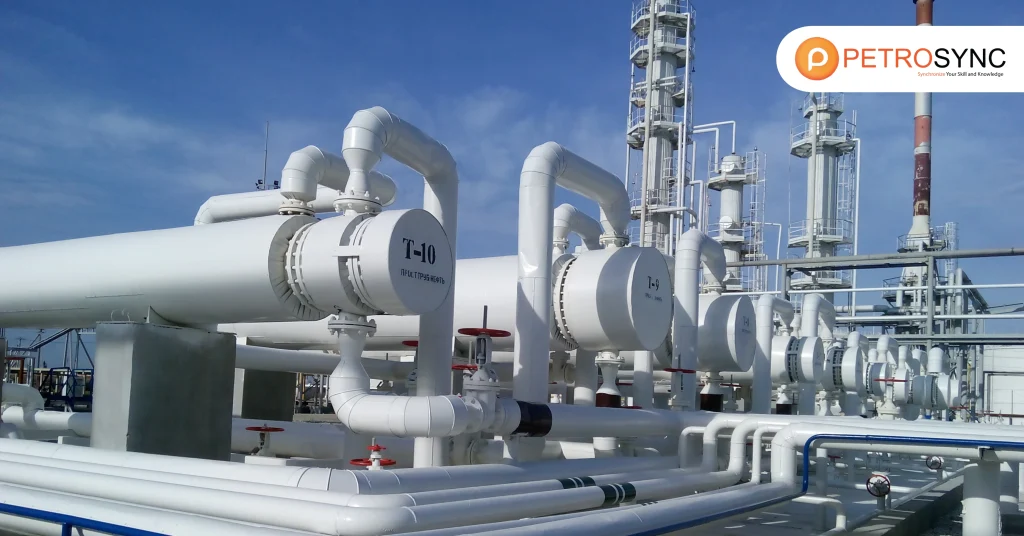
Different types of flue gas heat exchangers are tailored to specific needs. Economizers preheat boiler feedwater, providing 5-15% fuel savings, while air preheaters heat combustion air before furnace entry, reducing fuel consumption by 10-30%. Condensing heat exchangers recover latent heat from water vapor, securing up to 20% additional energy recovery, and heat pipe exchangers provide passive heat transfer for corrosive gases with minimal maintenance requirements.
Key Industry Applications
The low-temperature flue gas heat exchanger is beneficial across various industries, including power plants for recovering waste heat from gas turbines and boilers, and the cement and steel industry for utilizing kiln exhaust heat. The oil and gas sector uses it to preheat crude oil or other process fluids, optimizing energy use. In chemical processing, it enhances heat integration within reactors and distillation units. Marine and offshore industries employ it to maximize energy recovery with exhaust gas economizers, and waste incineration facilities use it for eco-friendly energy recovery from combustion gases.
In conclusion, our low-temperature flue gas heat exchanger epitomizes sustainable technology with its high efficiency and adaptability, significantly improving operational efficiency while reducing environmental impact. It is the future of industrial energy optimization.