Introduction to high-efficiency board heat exchanger
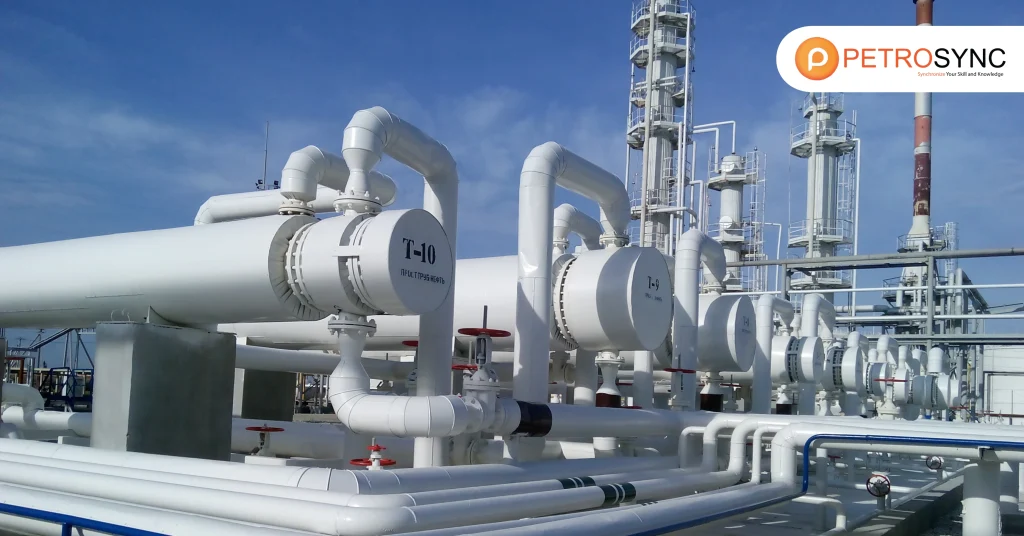
In today's highly competitive industrial landscape, optimizing energy utilization is crucial. High-efficiency plate heat exchangers (PHEs) are crucial for businesses that aim to maximize their thermal efficiency, reduce costs and increase sustainability. Advances in PHE design have achieved significant growth, providing solutions to address waste energy and significantly improve performance across industries. Our product, the flue gas heat recovery exchanger, embodies a leap towards this technology towards energy-saving PHE solutions and plays a key role in industrial applications.
Use advanced PHE design to solve energy inefficiency
Inefficiency in energy is a common problem affecting many industrial operations. As the exhaust gas reaches a temperature between 150°C and 300°C, a large amount of heat energy is usually not contaminated. The flue gas heat recovery exchanger solves this problem by restoring 70-90% of the waste heat, thus converting it into available thermal energy for heating water, air or process fluids. This efficient design significantly enhances the performance of the plate heat exchanger, providing an easy and robust way to take advantage of waste energy.
Key functions enhance PHE performance
Advanced PHE designs, such as our flue gas heat recovery exchangers, have several significant features designed to solve common industry problems:
- **Corrosion Resistance Engineering**: Built tolerate harsh environments with acid-resistant and high sulfur flue gases tolerate harsh environments to ensure long-lasting performance.
- **Customizable modular design**: From small industrial boilers to large utility-scale systems, adaptable to a wide range of applications.
- **Low Maintenance and Self-Cleaning Mechanism**: Innovative Self-Cleaning Mechanisms minimize and maintain, ensuring consistency over time.
These design optimizations in PHE configurations represent a powerful solution for improving thermal efficiency and operating reliability.
The application and benefits of efficient PHE
The application of compact heat exchangers can provide benefits to multiple departments. For example, in power generation, preheating combustion air or feed can significantly improve efficiency. Chemical plants use these switches to recover heat essential to the distillation process, while food processing uses recycled energy for drying and sterilization applications. Furthermore, these systems improve the efficiency of HVAC systems in regional heating, demonstrating the versatility of various fields.
Economically, these PHE solutions are cost-effective heat exchange options that promise to quickly save fuel and ROI in 1-3 years. Environmentally, reducing batch emissions of 15-30% keeps businesses aligned with global energy efficiency regulations, thereby facilitating a sustainable operational model.
Conclusion
In summary, the evolution of efficient board heat exchangers provides a compelling solution to the illustration of our flue gas heat recovery exchangers to achieve common industrial energy inefficiencies. Through innovative design, low maintenance requirements, and huge economic and environmental benefits, these systems are crucial to businesses working to enhance PHE applications in their industries. For tailored solutions, technical consultation or free energy audits, our company is ready to help bring your energy system to the best of its level.