Understanding Forced Draft Finned Tube Exchangers
Forced draft finned tube exchangers have become indispensable in industries requiring efficient heat transfer. These devices utilize finned tubes designed to maximize thermal efficiency and distribute heat reliably across various applications. Combining elements of advanced engineering with practical design, models like the Fixed Tube Sheet Heat Exchanger demonstrate why they remain critical for thermal processes in sectors such as petrochemical, power generation, and HVAC.
The key advantage of forced draft finned tube exchangers lies in their ability to boost heat transfer rates without excessive energy input. By incorporating fins on the tubes, the surface area for thermal exchange expands considerably, leading to better performance. This design is especially beneficial in boilers, condensers, and cooling systems where industrial finned tube exchangers play a key role.
Comparison of Finned Tube Designs
When considering finned tube exchangers, design variations significantly impact thermal efficiency and operational flexibility. For instance, forced draft systems propel air across finned tubes, enabling quick heat dissipation and uniform temperature control. This approach is ideal for high-capacity applications where durability and efficiency are crucial.
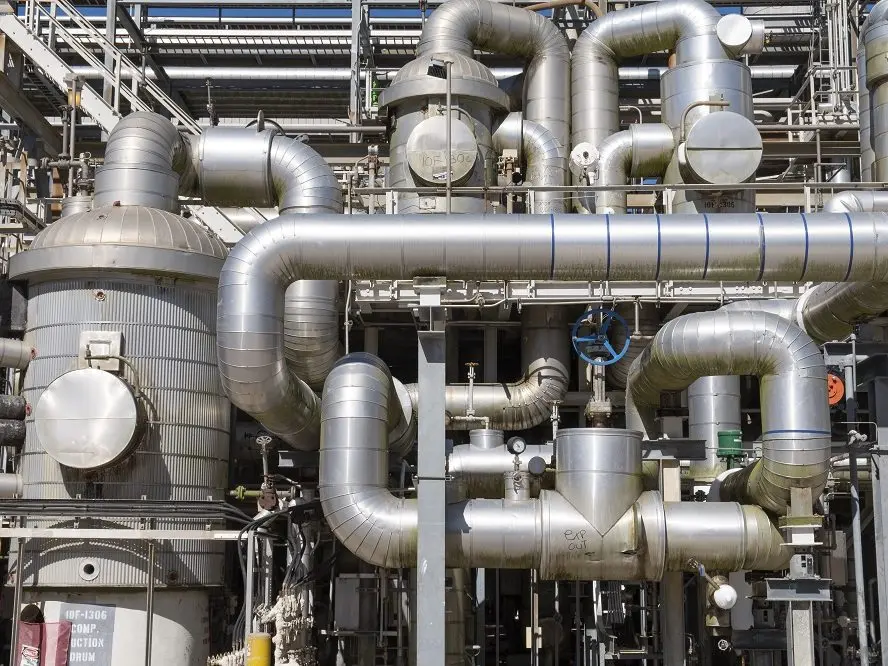
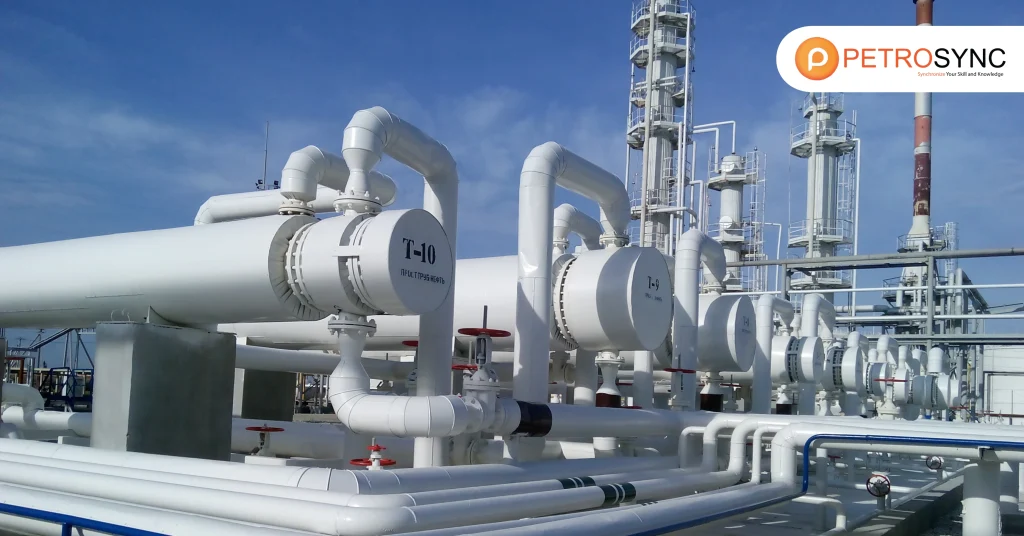
On the other hand, specialized finned tube designs cater to niche applications. The Fixed Tube Sheet Heat Exchanger stands out with its rugged construction, utilizing sturdy materials like stainless steel and titanium. Its baffles create controlled turbulence, which greatly enhances thermal efficiency compared to traditional systems. In contrast, simpler finned tube exchangers may not offer the same level of precision or adaptability across extreme conditions.
This divergence highlights the importance of material choice, such as heat transfer finned tubes made from high-quality alloys. These ensure durability while managing varying temperatures and pressures. Models like the Fixed Tube Sheet Heat Exchanger are optimized for handling up to 300°C and 6.4 MPa conditions, making them superior for demanding operations.
Advantages in Real-World Applications
The use of finned tube exchangers extends beyond industrial settings into diverse sectors with unique thermal needs. Forced circulation heat exchangers are ideal for applications requiring continuous fluid movement, while thermal efficiency finned tubes serve industries like food production and pharmaceuticals, where contamination-free heat transfer is critical.
In comparison, the Fixed Tube Sheet Heat Exchanger provides additional benefits such as ease of maintenance and cost efficiency. It simplifies cleaning tasks within fouling-prone environments and achieves up to 30% savings in manufacturing costs compared to floating head designs. These benefits align with the practical demands of oil refineries, power plants, shipbuilding, and more.
The advantages of finned tube exchangers also extend to adaptability. High-pressure tube-side conditions of up to 35 MPa are easily managed, ensuring versatility across applications like crude oil preheating and engine cooling. In contrast, less robust models may struggle to maintain performance under such extremes, underscoring how superior designs enhance operational reliability.
Conclusion
Finned tube exchangers, particularly forced draft designs, offer unparalleled benefits for industries requiring efficient and reliable heat transfer. Models like the Fixed Tube Sheet Heat Exchanger epitomize engineering excellence, with cutting-edge components that ensure performance, durability, and cost-effectiveness.
From industrial finned tube exchangers driving thermal processes to specialized configurations meeting the demands of sensitive applications, the right choice comes down to balancing design preferences with operational requirements. Whether prioritizing thermal efficiency, forced circulation, or finned tube applications across diverse industries, these exchangers continue to set the benchmark for quality and adaptability.