logo

HEAT EXCHANGER SOLUTION SINCE 2014

Calculating Condenser Efficiency: BPHE's Superior Approach

  • Product introduction
Posted by TENGHAO On May 27 2025

Understanding Condenser Efficiency Calculation


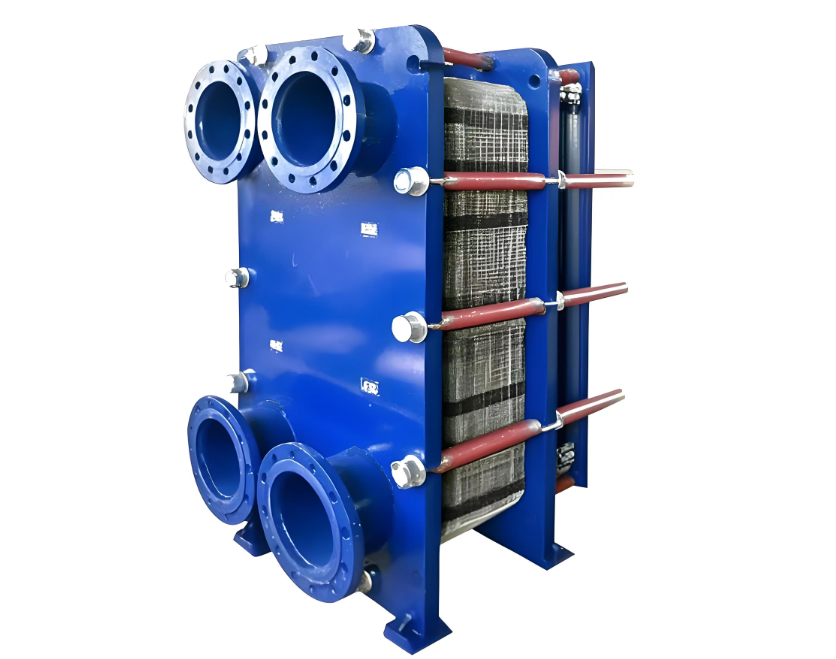
When it comes to optimizing HVAC systems, calculating condenser efficiency is vital. The Brazed Plate Heat Exchanger (BPHE) stands out with its ability to enhance condenser efficiency dramatically. This modern engineering marvel capitalizes on a corrugated plate structure to increase the heat transfer surface area, offering heat transfer efficiencies 3-5 times better than traditional shell and tube heat exchangers.

Comparing BPHE with Traditional Methods


Traditional shell and tube heat exchangers have been the backbone of condensing unit efficiency for years. However, the BPHE promises more. While conventional systems rely heavily on larger installations and higher energy consumption, BPHE's compact design ensures seamless installation, reducing the space requirements significantly. The thermal efficiency of condensers is heightened using BPHEs due to their integrated brazed design, which minimizes leakage and prolongs lifespan. Additionally, commercial building renovations report energy consumption drops of 15%-20% with BPHE's implementation.

Choosing the Right Condenser Efficiency Method


Selecting the correct condensing efficiency calculation methods depends on several factors. BPHEs are ideal for ground source heat pumps, air source heat pumps, and chillers, among others. They are adept at improving condenser performance metrics, offering better Energy Efficiency Ratios (COP). When comparing types of condensers and efficiency, it is evident that BPHEs cater to more demanding environments with pressures up to 30 bar or more. Furthermore, BPHEs revolutionize fresh air heat recovery, reducing energy demands and benefitting solar thermal utilizations.

In conclusion, the BPHE offers compelling efficiency formulae for multiple applications in HVAC systems. Whether it's improving condenser heat transfer efficiency or enhancing condensing unit efficiency, BPHEs are poised to pave the way for an era of energy conservation and reliability.
Featured Blogs

Tag:

  • blog
Share On
Featured Blogs
Advanced Thermal Equipment Solutions: Finned Tubes Technology

Advanced Thermal Equipment Solutions: Finned Tubes Technology

1. Understanding Thermal Equipment 2. The Role of Heat Exchangers 3. Enhancing Efficiency with Thermal Insulation 4. Applications of Thermal Equipment

Optimizing Steam Heat Exchangers for Better Efficiency

Optimizing Steam Heat Exchangers for Better Efficiency

1. Understanding Steam Heat Exchangers 2. Optimizing Heat Exchanger Systems 3. The Importance of Industrial Heat Exchanger Design 4. Advancements in Steam System Optimization 5. Conclusion

Copper Tube Heat Exchanger: Efficiency and Customization

Copper Tube Heat Exchanger: Efficiency and Customization

1. Introduction to Copper Tube Heat Exchangers 2. Comparison with Aluminum Fin Heat Exchangers 3. The Role of HVAC Heat Exchangers in Modern Systems 4. Advantages of Copper Aluminum Coil 5. Customization and Efficiency 6. Conclusion

High Efficiency Heat Transfer Equipment Innovations

High Efficiency Heat Transfer Equipment Innovations

1. Understanding High Efficiency Heat Transfer Equipment 2. Solutions through Customizable Heat Transfer 3. Advantages of Advanced Heat Exchanger Products

Compact Blue Heat Exchanger: Optimizing Efficiency

Compact Blue Heat Exchanger: Optimizing Efficiency

1. The Innovation Behind Blue Heat Exchanger Technology 2. Driving Efficiency and Optimizing Systems 3. Versatility and Integration as a Heat Exchanger for Refrigeration

Maximize Efficiency with Industrial Heat Exchangers

Maximize Efficiency with Industrial Heat Exchangers

1. The Challenge of Modern Industrial Thermal Management 2. A Superior Solution: The High-Efficiency Industrial Heat Exchanger 3. Innovations in Heat Exchanger Design 4. Maximizing Uptime and Performance with Smart Engineering 5. The Future of Efficient Industrial Processes