The Core of Modern Thermal Management
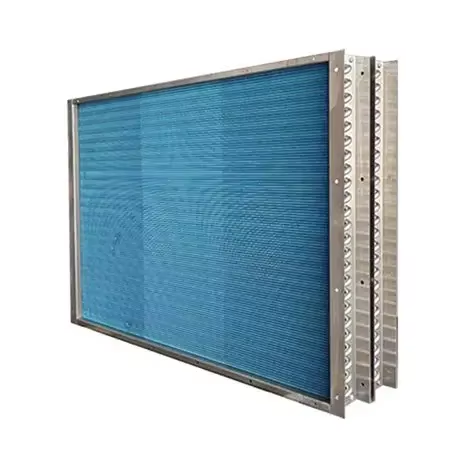
A heat exchanger is a critical device built for efficient heat transfer from one medium to another, playing a pivotal role across countless industries. Whether separated by a solid wall to prevent mixing or in direct contact, these systems are the unsung heroes of process efficiency and energy conservation. From large-scale chemical processing plants to the HVAC systems that keep our buildings comfortable, the fundamental principle of thermal exchange is essential for controlling temperatures, recovering energy, and optimizing operations. The variety of designs available, including popular types like plate and shell and tube models, ensures that a solution exists for nearly any thermal challenge.
Understanding Industrial Heat Exchangers and Energy Efficiency
In the industrial sector, the demands for performance, durability, and efficiency are immense. Industrial heat exchangers are engineered to withstand extreme temperatures, high pressures, and corrosive substances, making them indispensable in manufacturing, power generation, and petrochemical applications. A key application for these robust systems is in heat recovery systems, which capture and reuse waste heat from an industrial process. By redirecting this thermal energy to other parts of the plant, companies can significantly reduce energy consumption, lower operational costs, and minimize their environmental footprint, turning a process byproduct into a valuable asset.
The Precision of Plate Heat Exchangers
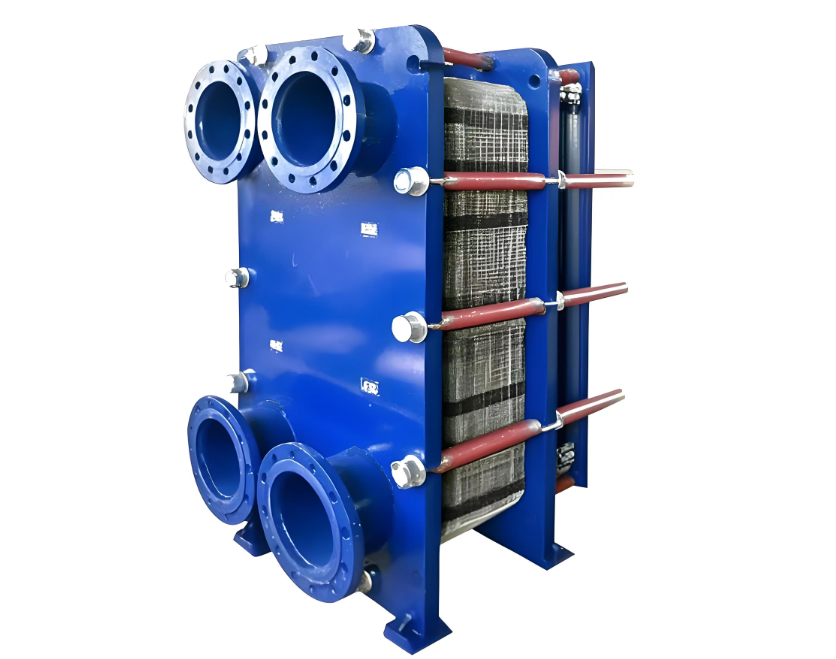
Among the most popular modern designs are plate heat exchangers. These units consist of a series of thin, corrugated metal plates that create a large surface area for heat transfer within a very compact footprint. The intricate herringbone-patterned grooves etched across the plates are a hallmark of advanced thermal optimization, designed to create controlled turbulence. This design maximizes heat transfer efficiency while minimizing flow resistance. High-quality gaskets provide an impeccable seal to prevent leaks, ensuring process integrity. Thanks to their versatility and efficiency, plate heat exchangers are a preferred choice in industries ranging from food and beverage to chemical processing and HVAC, offering an ideal balance of performance and space-saving design.
The Durability of Shell and Tube Heat Exchangers
Another cornerstone of thermal management is the shell and tube heat exchanger. This classic design involves a bundle of tubes enclosed within a larger cylindrical shell. One fluid flows through the tubes while another flows over the tubes within the shell, facilitating heat transfer. While typically larger than plate heat exchangers for a given capacity, shell and tube heat exchangers are renowned for their robustness and ability to handle very high pressures and temperatures. Their simpler construction also makes them easier to clean and maintain in applications involving fouling or particulate-laden fluids, making them a reliable workhorse in heavy-duty industrial settings.
Choosing the Right Heat Exchanger Manufacturer
Selecting the right partner is just as important as selecting the right technology. Reputable heat exchanger suppliers and manufacturers offer not only a wide range of standard models but also deep engineering expertise. When standard solutions fall short, the ability to specify custom heat exchangers is crucial. A skilled heat exchanger manufacturer can tailor designs to precise operational parameters, including material selection, pressure ratings, and connection configurations. By collaborating with experienced suppliers, businesses can ensure they acquire a thermal management solution that is perfectly optimized for performance, longevity, and long-term value.