In the world of demanding industrial operations, maintaining optimal temperatures is not just a preference—it's a critical necessity for efficiency, safety, and equipment longevity. When systems overheat, the consequences can range from decreased performance to catastrophic failures. This is where a robust cooling system becomes indispensable. A high-quality heavy duty air cooled condenser stands as a cornerstone of modern thermal management, providing the reliability and power needed to keep critical machinery running smoothly in the toughest environments. These systems are engineered to offer superior heat dissipation, ensuring your operations remain stable and productive.
1. Unmatched Durability and Robust Construction
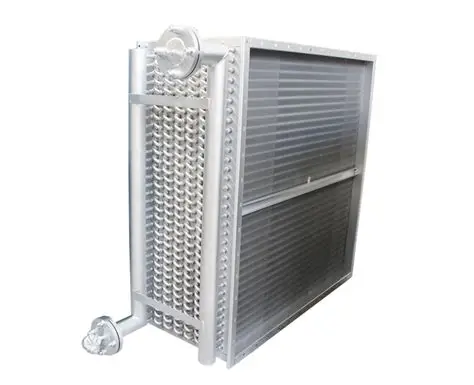
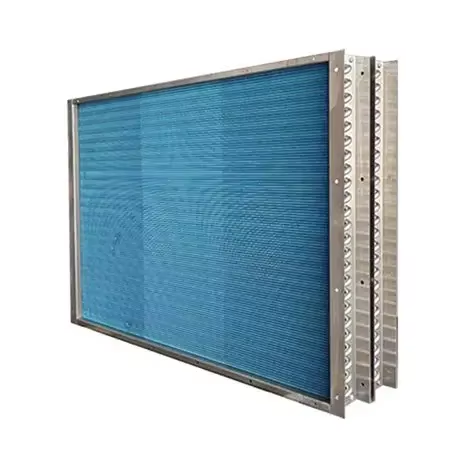
A truly reliable air cooled condenser is designed for longevity, often featuring a sleek yet sturdy aluminium casing. This choice of material is not just for aesthetics; the structured aluminium frame provides exceptional corrosion resistance, a vital feature for extending the product's life in harsh industrial settings where exposure to moisture and chemicals is common. This robust construction ensures that the condenser can withstand the physical rigors of a manufacturing plant or data center, promising years of dependable service without succumbing to environmental wear and tear. It’s a testament to engineering that prioritizes durability as much as performance.
2. Superior Heat Dissipation for Optimal Performance
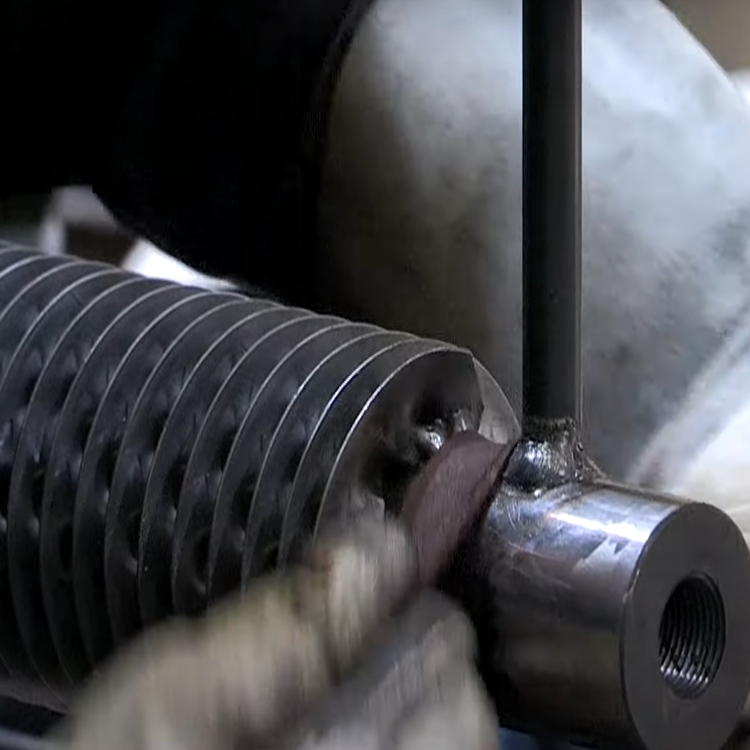
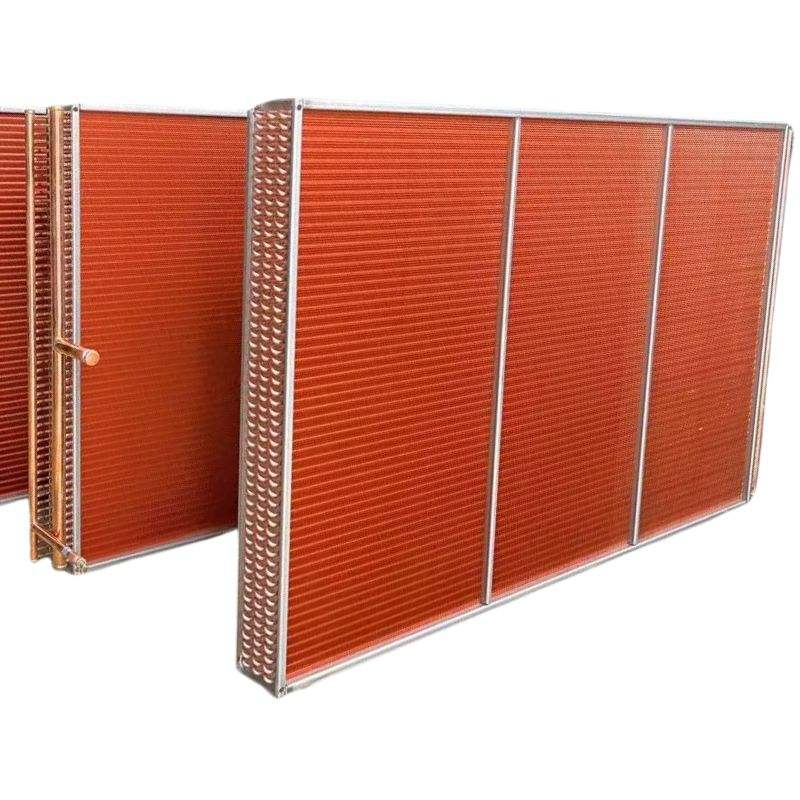
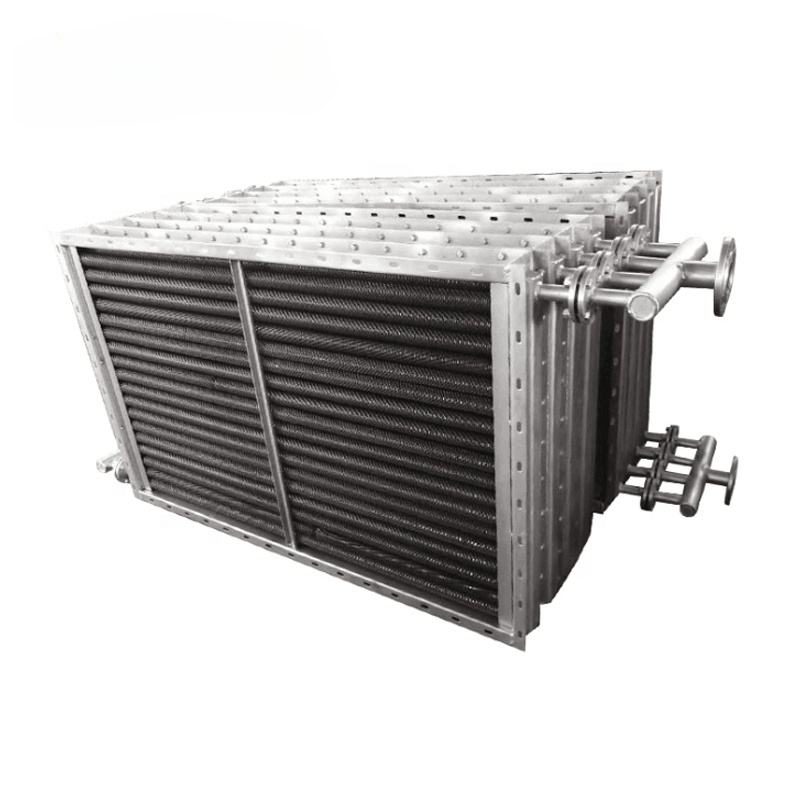
The primary function of a condenser is to manage heat, and this is where advanced design truly shines. At the core of a modern air cooled condenser for industrial applications, you will find densely arranged tubular elements. These are meticulously engineered to maximize the surface area available for heat exchange. This intricate design allows the unit to dissipate heat far more efficiently than standard models, pulling thermal energy away from your critical systems. By ensuring your machinery operates at its ideal temperature, you not only reduce the risk of overheating but also significantly improve the longevity and performance of your entire operation. This efficient thermal management is key to maintaining consistent output and preventing costly downtime.
3. Seamless Integration and Installation Flexibility
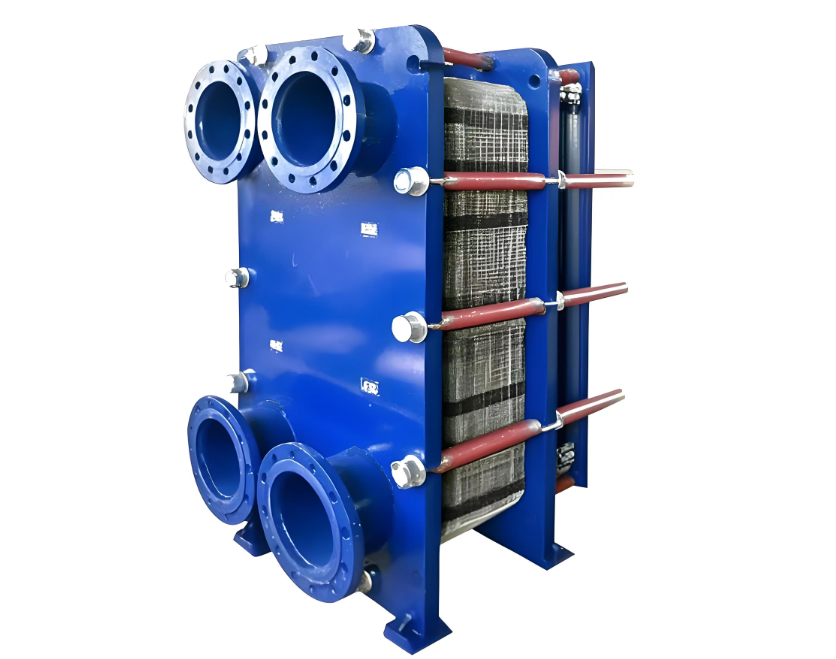
Introducing new equipment into an existing setup can often be a complex and costly process. However, the best heavy duty condenser systems are designed with seamless integration in mind. They come equipped with convenient connectors and mounting points that allow for flexible and hassle-free installation. This thoughtful design means the condenser can be integrated into various system configurations without requiring extensive modifications or specialized tools. This adaptability saves valuable time and resources during setup, allowing your facility to benefit from enhanced cooling capabilities much faster. It's a practical approach that acknowledges the dynamic and often constrained nature of industrial environments.
4. A Versatile Solution for Diverse Applications
The power and efficiency of these condensers make them one of the most versatile industrial cooling solutions available today. Their robust nature is ideal for heavy-duty applications ranging from large-scale manufacturing plants to power generation facilities and sprawling data centers. Furthermore, its role as an effective air cooled refrigeration condenser makes it a crucial component in commercial and industrial refrigeration cycles, including cold storage warehouses and food processing plants. This versatility means that a single, high-quality condenser model can serve multiple functions across different sectors, providing a standardized, reliable solution for a wide array of thermal management challenges.
5. A Commitment to Energy Efficiency and Sustainability
In today's world, performance cannot come at the expense of efficiency. Modern industrial condensers are engineered not just for power but also for sustainability. The same advanced design that maximizes heat dissipation also contributes to greater energy efficiency. By cooling systems more effectively, the condenser reduces the overall energy load required to maintain optimal operating temperatures. This translates directly into lower electricity bills and a reduced carbon footprint for your operations. Investing in an energy-efficient industrial air cooled condenser is not just a smart financial decision; it's a commitment to more sustainable and responsible industrial practices, positioning your company as a forward-thinking leader in its field.