The Unseen Struggle: Inefficiency in Modern Cooling
Modern living and industrial processes rely heavily on effective climate control, making HVAC systems indispensable. However, a common challenge many face is the inefficiency that can plague these systems, leading to escalating energy costs and inadequate temperature regulation. The core of this issue often lies in the heat exchange process, where traditional designs may not offer the optimal performance required for today's demanding environments. This inefficiency not only impacts operational budgets but also contributes to a larger environmental footprint, a growing concern for both businesses and homeowners alike. Finding robust and efficient cooling solutions is paramount to address these pressing issues.
The Bottleneck: Understanding Heat Transfer Challenges
The primary function of any cooling system is to transfer heat from one area to another. However, the effectiveness of this process can be severely hampered by limitations in the design of heat exchange components. In many conventional HVAC systems, the surface area available for heat transfer is insufficient, leading to a bottleneck. This means the system has to work harder and longer to achieve the desired temperature, consuming more energy and increasing wear and tear on components. Optimizing this critical aspect is key to developing better heat transfer solutions that can overcome these inherent limitations and provide consistent, energy-efficient cooling.
A Superior Approach: The Power of Finned Tube Cooling
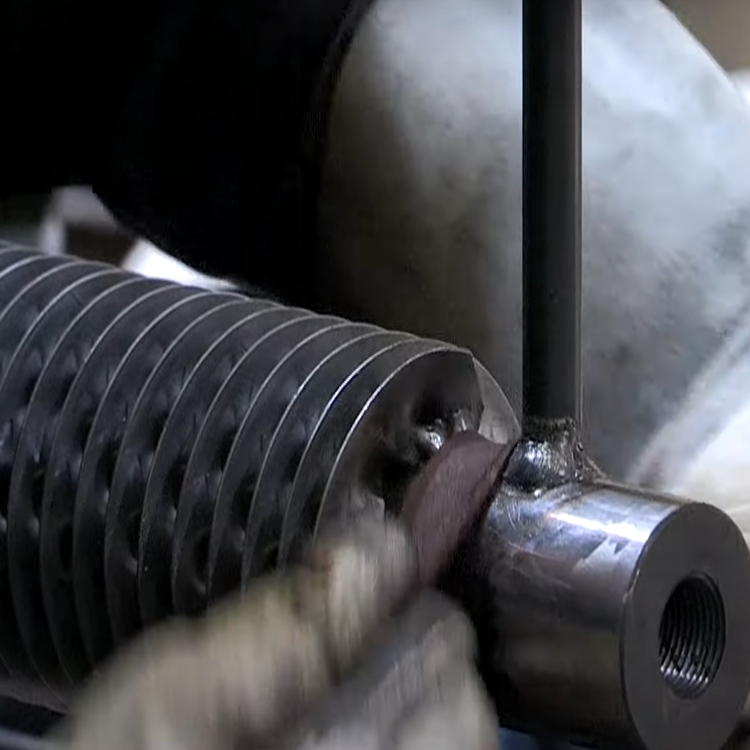
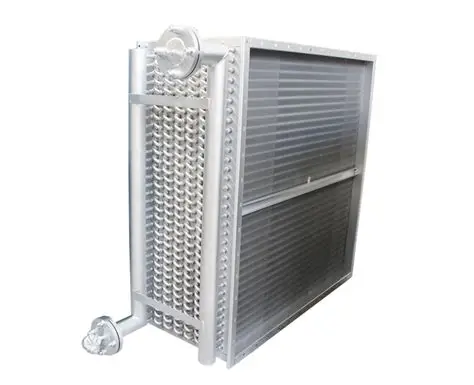
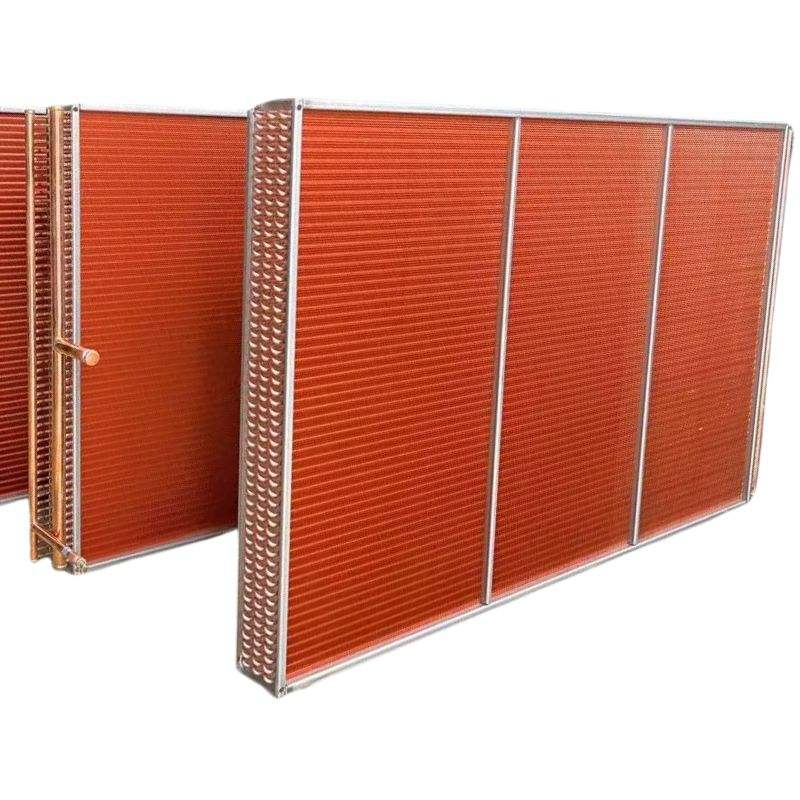
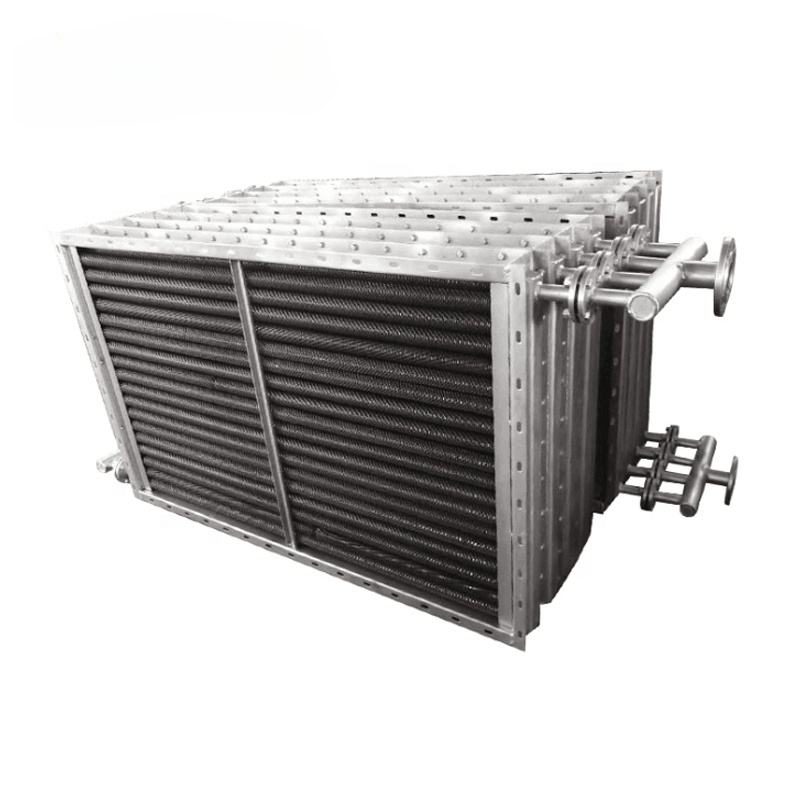
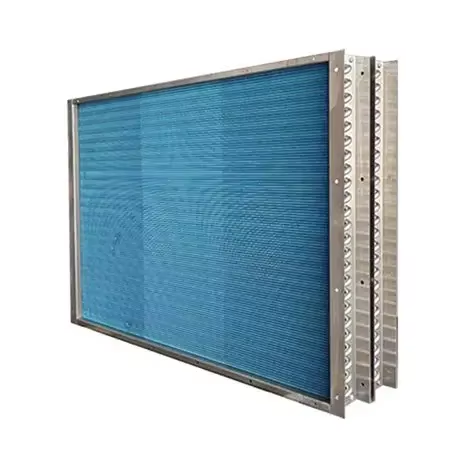
A significant advancement in addressing these challenges is the implementation of finned tube cooling technology. Finned heat exchangers are ingeniously designed to dramatically increase the surface area available for heat transfer without proportionally increasing the unit's overall size. In these systems, fins – typically made of highly conductive materials like aluminum or copper – are attached to the tubes carrying the refrigerant or cooling fluid. This extended surface area allows for a much more rapid and efficient exchange of thermal energy between the fluid and the surrounding air. Finned tube cooling, therefore, presents a direct and effective solution to the problem of inefficient heat dissipation and absorption that troubles lesser designs.
Unlocking Efficiency: Benefits of Advanced Finned Heat Exchangers
The adoption of high-efficiency HVAC systems incorporating finned tube technology brings a multitude of benefits. Firstly, there's a significant improvement in energy efficiency. By maximizing heat transfer, these systems require less energy to achieve and maintain desired temperatures, directly translating to lower utility bills. Secondly, this enhanced efficiency contributes to better thermal management, ensuring more stable and precise temperature control within the conditioned space. This is crucial for sensitive environments like data centers, laboratories, or manufacturing facilities where temperature fluctuations can be detrimental. Furthermore, the robust design of finned heat exchangers often leads to increased system longevity and reliability, reducing maintenance costs over time.
Versatile Applications: Where Efficient Cooling Solutions Shine
The impact of efficient cooling solutions, particularly those utilizing finned tube technology, is far-reaching. These advanced cooling systems are not limited to standard commercial or residential HVAC applications. They are integral to various industrial processes requiring precise temperature control, refrigeration units, and even specialized applications like electronics cooling. As technology continues to advance, the demand for more compact, yet powerful, thermal management systems grows. Finned heat exchangers are perfectly suited to meet these demands, offering scalable solutions that can be tailored to specific requirements, ensuring optimal performance across a wide array of applications. The principles of HVAC heat transfer are consistently being refined by such innovations.
Conclusion: Embracing a Cooler, More Efficient Future
The quest for optimal indoor climate control and process cooling while minimizing energy consumption and environmental impact is an ongoing challenge. The problem of inefficient heat transfer in older or poorly designed HVAC systems leads to unnecessary costs and suboptimal performance. However, with advancements like finned tube cooling and the development of high-efficiency HVAC components, effective solutions are readily available. By embracing these technologies, individuals and industries can achieve superior thermal management, reduce operational expenses, and contribute to a more sustainable future. The continued refinement of finned heat exchangers and similar heat transfer solutions will undoubtedly play a crucial role in shaping the next generation of cooling systems.