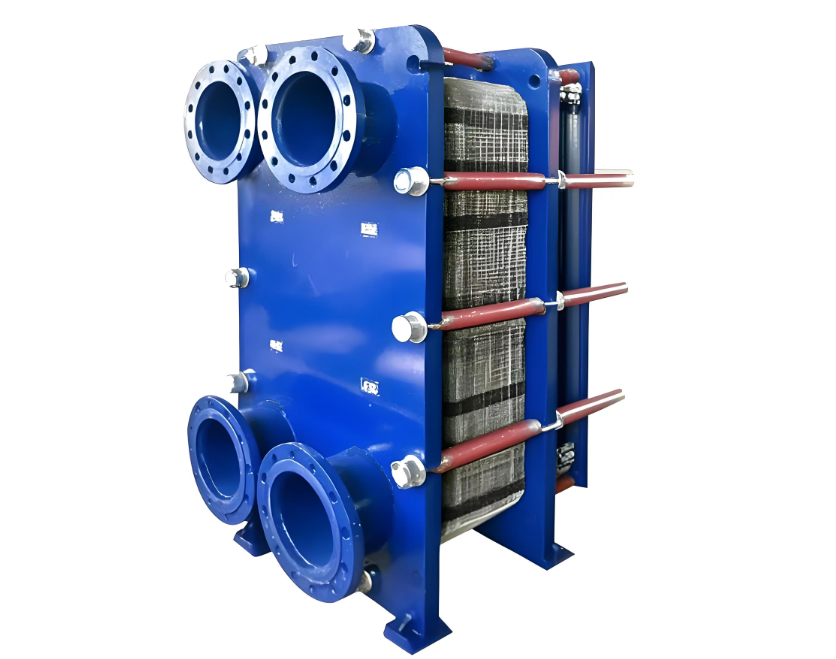
Introduction to Board Heat Exchanger
Plate Heat Exchangers (PHEs) play a tool in many industries due to their excellent thermal efficiency and compact design. These devices are known for enhancing heat transfer capabilities and have become synonymous with cost-effective heat exchange solutions. The implementation of high-efficiency PHE systems has gained tremendous benefits from the industry from chemical processing to power generation. These systems not only improve energy saving capabilities, but also optimize thermal efficiency in a variety of applications.
Improving PHE performance and efficiency
With the innovation of marine engineering, so is the application of PHE. A notable example is the Asphalt Splendor, a state-of-the-art tanker designed to transport asphalt, a product that is crucial to construction and infrastructure development. The container utilizes innovative thermal management technology with high efficiency PHE. The installation of tip plate heat exchangers ensures precise thermal control and is essential for maintaining the asphalt mass during transportation. By optimizing the design and integrating excellent gaskets, Asphalt Brilliant achieves unparalleled performance by improving PHE efficiency and ensuring leak-proof reliability.
Compact heat exchangers for the marine industry
The benefits of compact heat exchangers are particularly evident in marine applications. Vessels like Asphalt Brilliance highlight how advanced PHE technology significantly reduces operational downtime, improves energy efficiency and ensures compliance with global standards. The brilliant structure of asphalt is enhanced with corrosion-resistant materials, embodying the principles of durability and sustainability. As the industry continues to seek cost-effective solutions, maintaining best practices for PHE systems will bring more operational benefits, ultimately contributing to tanker efficiency.
Conclusion
In short, the multifaceted advantages of advanced PHE systems make them essential for modern industrial applications. Whether used in marine engineering or a wider energy-saving plan, these compact, efficient systems not only provide high thermal efficiency, but also have a great return on investment. As the asphalt brilliant pioneers ships of such technologies, the industry can expect continuous improvement in reliability and cost management to support the future of transportation and infrastructure development. By complying with PHE maintenance and leveraging best practices for innovative design optimization, the industry can continue to thrive in the competitive market.