Increasing the efficiency of condenser systems is a focal point for industries looking to enhance performance and reduce energy consumption. Accurately performing a condenser efficiency calculation can substantially improve system efficiency and overall energy costs. But how exactly do you calculate this efficiency, and what are the influencing factors and methods involved? Here's a detailed exploration of condenser efficiency and how to optimize it for maximum benefits. By understanding the intricacies involved in the thermal efficiency of condensers, one can make informed decisions to significantly boost performance metrics. Let's delve further into this crucial aspect of industrial operations, focusing on the means and methods for achieving optimal efficiency. This write-up aims to provide practical solutions and a robust understanding of condenser heat transfer efficiency and its various calculation methods. Additionally, it will offer insights into the types of condensers and their efficiency attributes. So, let's get started with your journey towards enhancing condensing unit efficiency and ensuring your systems are functioning at their peak potential!
Understanding the Condenser Efficiency Calculation
Calculating condenser efficiency is essential for evaluating and improving the performance of heating, ventilation, and air conditioning (HVAC) systems. By understanding condenser performance metrics, one can leverage the thermal efficiency of condensers to optimize system output and minimize energy consumption. The process typically involves understanding the heat transfer efficiency and the input-output analysis of the system. One of the primary methods used in the condenser efficiency formula is the temperature and energy input comparison. By carefully monitoring and calculating these performance metrics, operators can pinpoint areas for improvement and make necessary adjustments to enhance operational efficiency.
Improving Condenser Efficiency
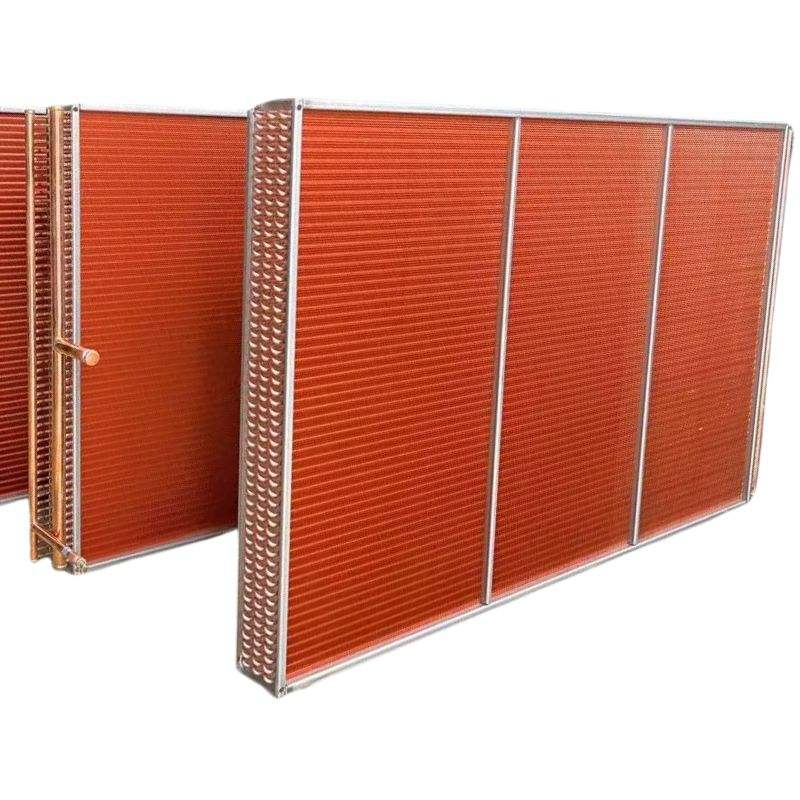
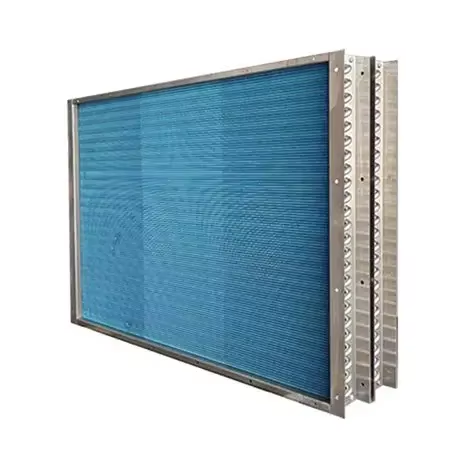
Once the performance metrics are in place, the next logical step is to focus on improving condenser efficiency. This can be achieved through various methods, such as routine maintenance checks, proper cleaning of heat exchanger surfaces, and using advanced materials that offer superior thermal conductivity. Speaking of advanced materials, the Longitudinal Copper Tube Heat Exchanger stands as an exemplary model in this regard. With its remarkable copper tube coils and robust aluminum frame, it sets a new standard in condensing unit efficiency. This high-performance heat exchanger ensures superior heat dissipation and durability, adding significant value to any industrial or commercial setup.
The crucial advantage lies in its sustainability and operational cost reduction. The copper tubes, known for their high thermal performance, are an integral part of improving overall efficiency. Moreover, the geometric precision and compactness facilitate seamless integration into existing systems, making upgrades both easy and efficient.
Condensing Efficiency Calculation Methods
Several methods can be employed to calculate the condensing efficiency of a system, and choosing the right approach depends on various factors such as system size, type, and operational settings. Common methods include the log mean temperature difference (LMTD) approach, effectiveness-NTU method, and the heat exchanger efficiency formula. Each of these methods offers detailed insights into different aspects of condenser efficiency. Understanding these approaches can significantly enhance your ability to maintain and improve your equipment's performance.
Additionally, it's crucial to recognize the different types of condensers and their efficiency profiles. For instance, air-cooled, water-cooled, and evaporative condensers all have distinct characteristics and efficiency factors. Knowing which type suits your specific applications best can result in considerable energy savings and operational efficiency.
In conclusion, enhancing condenser efficiency is a multifaceted process that involves accurate calculation, routine maintenance, and the adoption of advanced technologies. The Longitudinal Copper Tube Heat Exchanger exemplifies the blend of superior design and performance, promising an efficient, sustainable solution for various industrial applications. By focusing on these elements, businesses can achieve remarkable improvements in energy usage and system performance, paving the way for future advancements in HVAC and industrial efficiency.