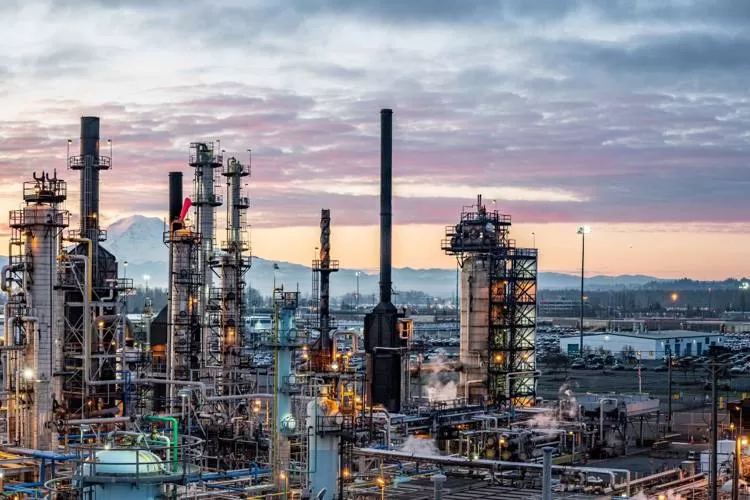
In today's fast-paced industrial world, effective heat dissipation is a critical operational challenge that can impact everything from productivity to equipment longevity. For facilities generating significant thermal loads, finding reliable and efficient thermal management solutions is paramount. The high-efficiency air-cooled heat exchanger emerges as a superior technology, engineered to provide consistent and sustainable cooling, thereby safeguarding industrial processes against the detrimental effects of overheating.
The Critical Need for Stable Thermal Management
Many industrial operations, from power generation to chemical processing, produce vast amounts of waste heat. If not managed properly, this excess heat can lead to decreased efficiency, premature equipment failure, and even safety hazards. Traditional cooling methods often rely on large volumes of water, which can be costly, environmentally taxing, and subject to availability and regulatory constraints. The challenge, therefore, is to implement a cooling strategy that is not only effective but also economical and sustainable. Achieving stable thermal management is key to maintaining a smooth, uninterrupted, and profitable operation in any large-scale industrial setting.
Harnessing Advanced Heat Exchange Technology
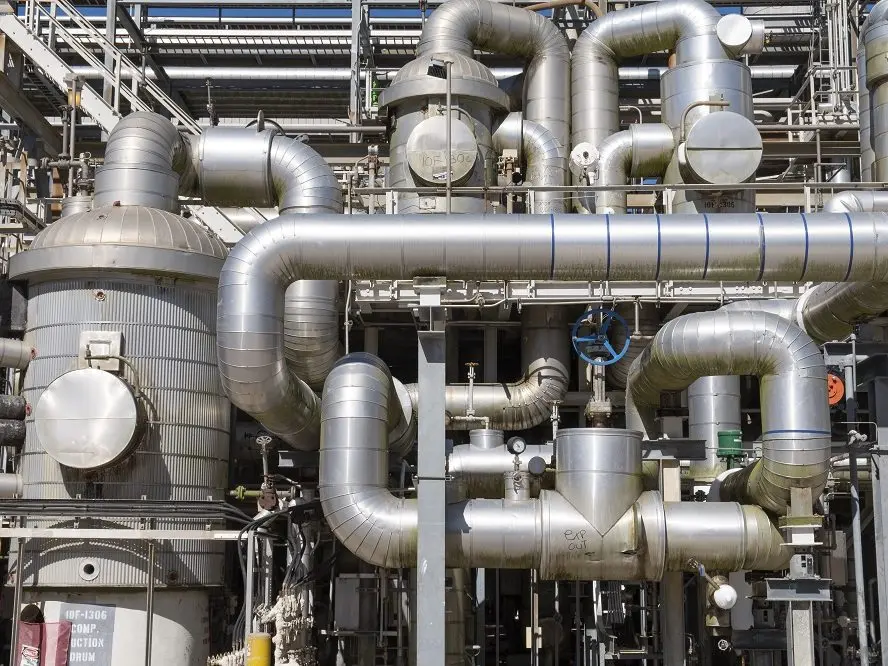
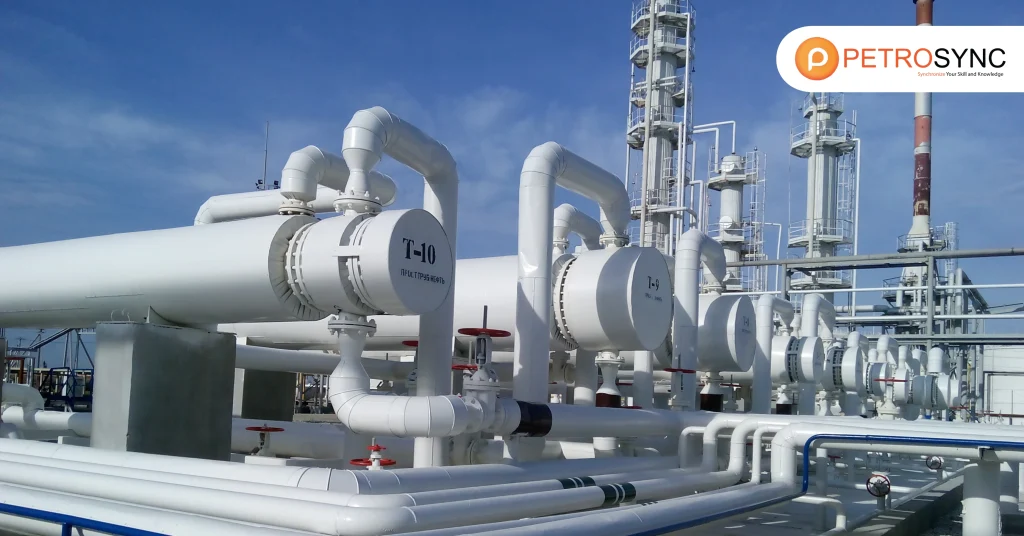
The air-cooled heat exchanger provides an elegant and powerful solution to this problem. This advanced piece of heat exchange technology operates on a simple yet highly effective principle. Hot fluid generated during an industrial process is channeled through a meticulously designed bundle of tubes. These tubes are fitted with a series of robust fins that dramatically increase the surface area available for heat transfer. Powerful fans or natural air currents then propel ambient air across these finned tubes. As the air passes over the fins, it absorbs the heat from the fluid within the tubes and dissipates it into the atmosphere, effectively and significantly cooling the fluid before it is recirculated.
The Economic and Environmental Advantages
One of the most compelling reasons to adopt this technology is its function as an energy-saving heat exchanger. By utilizing ambient air as the cooling medium, these units eliminate the substantial costs associated with water acquisition, treatment, and pumping that are inherent to water-based cooling towers. This leads to a significant reduction in operational expenditures and a smaller environmental footprint. As a versatile industrial heat exchanger, it can be adapted to a wide array of applications, offering a reliable cooling solution that enhances operational efficiency and supports corporate sustainability goals by reducing water consumption.
The Role of Precision in Cooling System Design
To maximize the benefits of an air-cooled heat exchanger, a thoughtful cooling system design is essential. The performance of the unit is directly tied to how well it is integrated into the specific application. A comprehensive design process considers factors such as the type of fluid being cooled, the required outlet temperature, ambient air conditions, and spatial constraints. Proper cooling system design ensures that the heat exchanger operates at peak efficiency, providing dependable performance and long-term value. This tailored approach guarantees that the system delivers the precise level of cooling required to protect valuable assets and optimize the entire industrial process.