Understanding Condenser Efficiency
Condenser efficiency calculation is crucial in various industries where heat exchange processes are essential. The efficiency of a condenser determines how well it can convert refrigerant from a gaseous state into a liquid state, releasing heat in the process. Calculating condenser efficiency can not only improve energy savings but also enhance the overall performance of systems that rely on heat exchange. Through improved condenser efficiency, industries can reduce energy consumption by substantial margins, making it an environmentally friendly solution.
Key Metrics for Calculating Condenser Efficiency
In calculating condenser efficiency, one should focus on several performance metrics that include the condenser heat transfer efficiency, thermal efficiency of condensers, and condenser performance metrics. These measurements are essential for optimizing the functionality of the condenser, ensuring that it operates at maximum efficiency. Using the right efficiency formula allows engineers to assess how well the condenser releases heat, a critical factor in various manufacturing and processing environments, including those in the power, petrochemical, and HVAC sectors.
Improving Condenser Performance with Technology
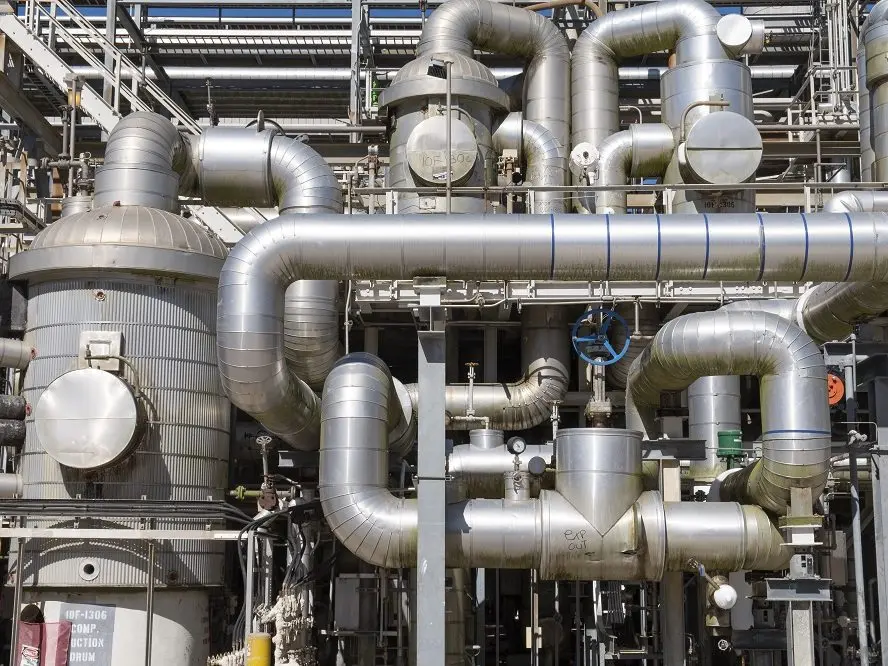
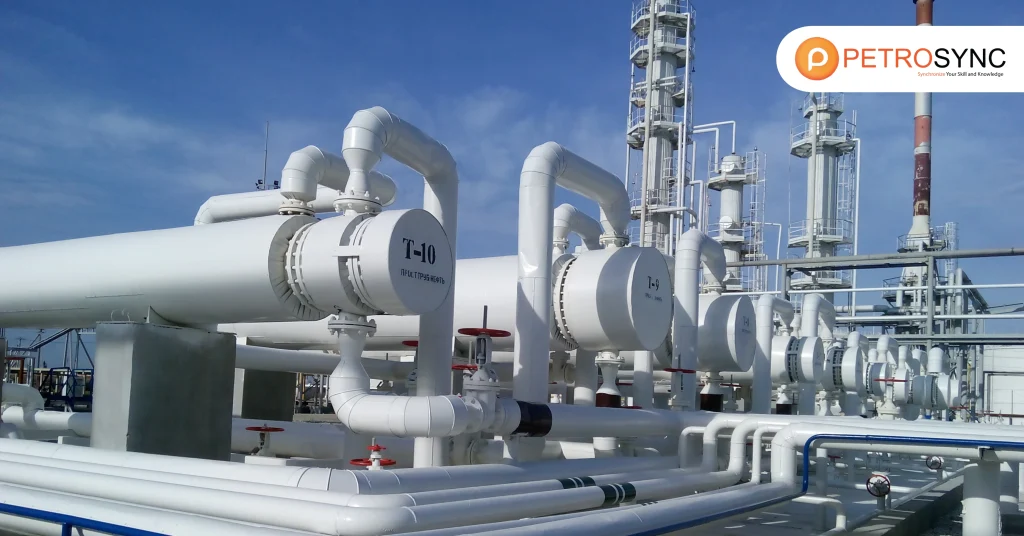
Improving condenser efficiency can be achieved through advanced technological solutions. One such product is the high-efficiency air-cooled fin heat exchanger. It utilizes advanced techniques to ensure optimal performance by cooling the medium inside the tubes through enforced or natural convection. This product is especially suitable for sectors dealing with power, petrochemicals, and environmental control systems. Not requiring cooling water, this apparatus significantly cuts down on water resource consumption and operating costs, making it the ideal choice for regions with water scarcity.
Unique Product Features for Enhanced Efficiency
The product features a robust design, with core characteristics aimed at superior performance. Its energy-saving and environmentally friendly components include fully air-cooled systems, reducing energy consumption by 30-50% compared to water-cooled systems. The advanced fin design enlarges the heat exchange area substantially, improving the heat transfer coefficient. The choice of base tube materials, like carbon steel and stainless steel, ensures durability and performance under various operational pressures and temperatures.
Applications Across Diverse Industries
The versatility of this product is evident in its wide range of applications across diverse industries, including power, petrochemical, HVAC, and renewable energy. Whether deployed in turbine exhaust cooling, reaction product cooling, or data center temperature regulation, the air-cooled fin heat exchanger delivers efficiently. Moreover, services such as CFD field simulation analysis, on-site installation guidance, and lifetime maintenance reinforce the commitment to providing a comprehensive solution to heat exchange needs.
In summary, improving condensing efficiency not only optimizes system performance but also contributes to environmental sustainability. By employing innovative condenser efficiency calculation methods and leveraging advanced technologies, businesses can achieve significant operational efficiencies and cost savings.