In today's competitive industrial landscape, achieving operational excellence is paramount. A critical, yet often overlooked, component of this is ensuring an Efficient Thermal Exchange process. Whether for heating, cooling, or recovering energy, the way a system manages temperature can dramatically impact everything from production costs and product quality to environmental compliance. Mastering this process is no longer a luxury but a fundamental necessity for sustainable and profitable operations.
Unlocking Superior Heat Transfer Efficiency
Inefficient systems waste enormous amounts of energy, leading to higher operational costs and a larger carbon footprint. The key to overcoming this is implementing advanced Thermal Exchange Systems designed for maximum performance. The metric that defines success here is Heat Transfer Efficiency. A higher efficiency rating means that more thermal energy is successfully transferred between two fluids with minimal loss. This not only translates to direct energy savings but also allows for more compact and responsive equipment, optimizing plant floor space and process control. True efficiency is about achieving the desired thermal outcome with the least amount of energy input, a principle that drives modern industrial innovation.
The Heart of Modern Thermal Management Solutions
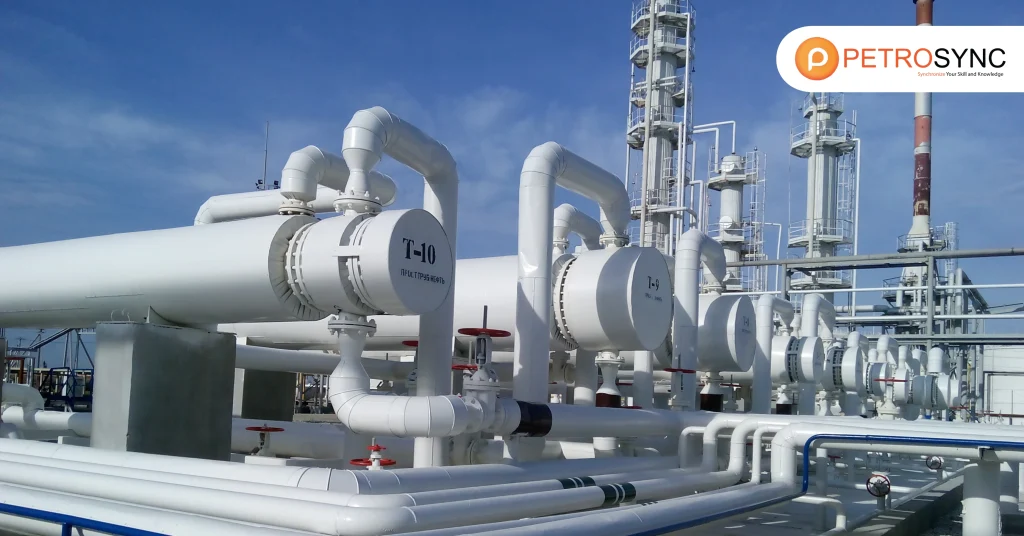
At the forefront of this technology are Plate Heat Exchangers, the workhorses of modern industry. These units represent the pinnacle of engineering for effective Thermal Management Solutions. A prime example features a robust frame, often in a distinct blue color symbolizing strength, built to withstand high pressures and temperatures. Inside, a series of corrugated metal plates creates intricate channels for fluid flow. This ingenious design maximizes the surface area for heat transfer and induces turbulence, which dramatically enhances the exchange process while keeping a low pressure drop. Their modular nature, with plates that can be added or removed, offers unparalleled flexibility to meet specific operational demands, making them a truly customizable solution.
Maximizing Performance with Energy Recovery Systems
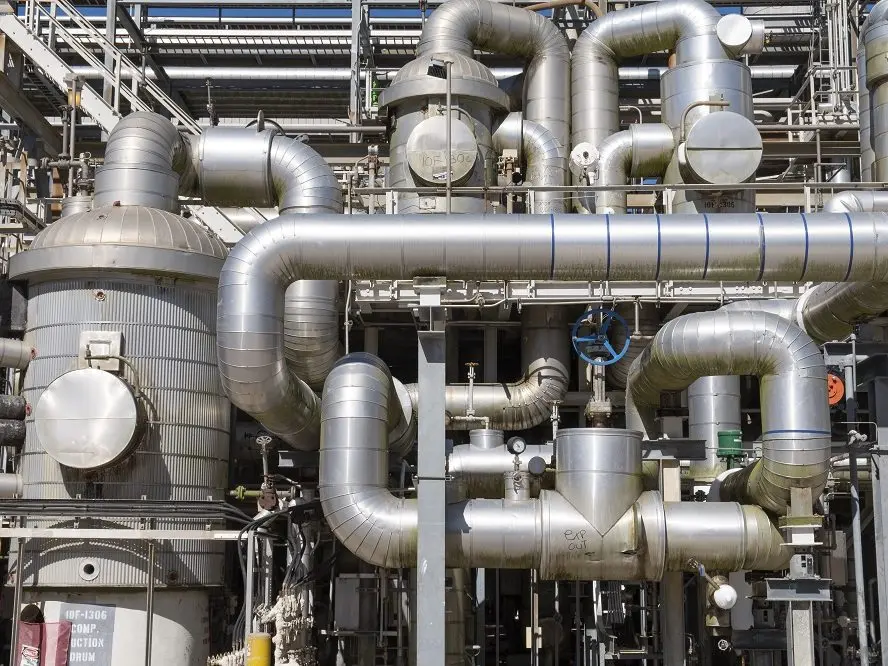
One of the most compelling applications for this technology is in Energy Recovery Systems. In countless industrial processes, valuable heat is simply vented into the atmosphere as waste. Advanced Heat Exchangers can capture this waste heat from one fluid stream and transfer it to another, where it can be used for preheating, space heating, or other valuable processes. The success of this hinges on the high Thermal Conductivity of the plate materials, which allows for rapid and effective energy transfer. By integrating these systems, companies can slash their energy consumption, reduce operating expenses, and significantly improve their sustainability profile, turning a waste stream into a valuable asset and contributing to a greener future.
Versatile Solutions for Efficient Heating and Cooling
The versatility of plate heat exchangers makes them indispensable across a vast array of sectors. From sophisticated HVAC systems that demand Efficient Heating and Cooling in large commercial buildings to food and beverage processing where precise temperature control is critical for safety and quality, these units deliver. In the chemical and power generation industries, they handle aggressive fluids and extreme temperatures with unwavering reliability. Their compact, space-saving design makes them ideal for both new installations and retrofitting into existing facilities, providing a powerful and adaptable solution for virtually any thermal management challenge. Choosing the right system means investing in reliability, efficiency, and long-term performance.