The Crucial Role of Evaporators in Modern Cooling
The evaporator for refrigeration stands as a cornerstone component in any cooling or climate control system, playing an indispensable role in achieving the desired temperatures and environments. Whether for preserving perishables, ensuring comfortable living spaces, or maintaining critical industrial processes, the efficiency and reliability of the refrigeration cycle heavily depend on the performance of its evaporator. Understanding the function and advancements in evaporator technology is key to optimizing cooling solutions across diverse applications, from compact residential units to sprawling industrial complexes. The journey of a refrigerant through a system culminates in the evaporator, where the magic of heat absorption truly happens, transforming spaces and processes.
Meeting Diverse Demands: Commercial and Industrial Evaporator Units
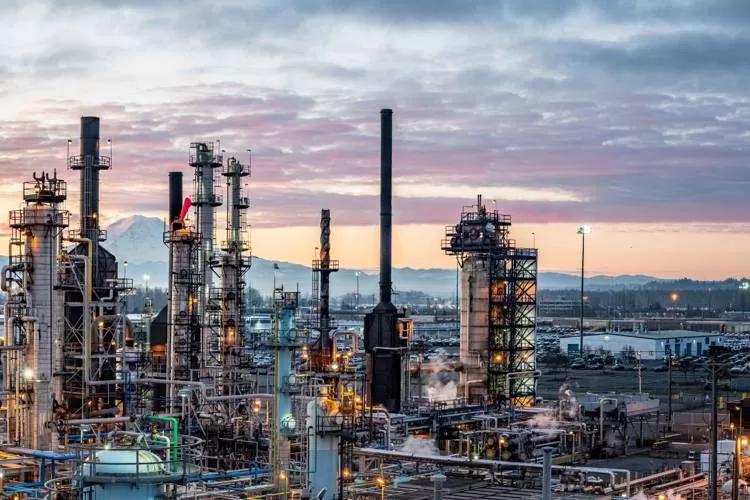
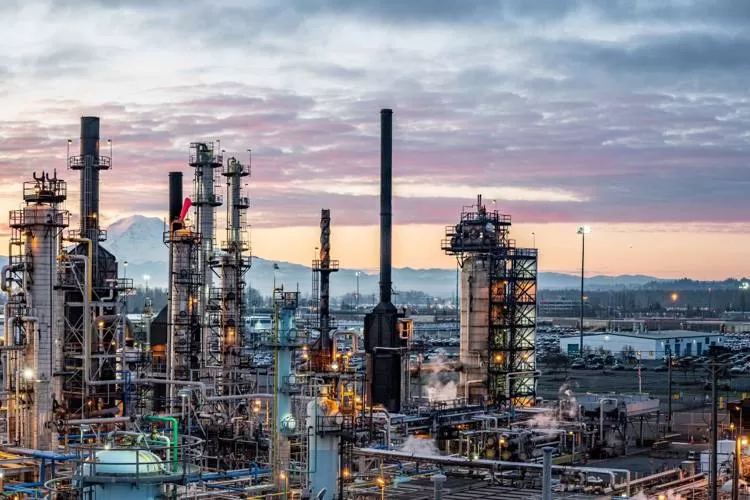
The requirements for cooling systems vary dramatically, and this is where specialized evaporator designs come into play. For bustling commercial enterprises, such as supermarkets, restaurants, and cold storage facilities, robust commercial evaporator units are essential. These units are engineered to handle high cooling loads, frequent door openings, and the specific temperature requirements for a wide array of products. Similarly, the industrial refrigeration evaporator is built for even more demanding environments like processing plants, chemical facilities, and large-scale manufacturing operations. These industrial marvels must often contend with harsh conditions, continuous operation, and the need for precise temperature control to ensure product quality and operational safety. Our latest advancements focus on delivering evaporators capable of thriving even in complex settings like refineries, seamlessly integrating into intricate industrial operations.
Innovations in Design and Materials: The Heart of Efficiency
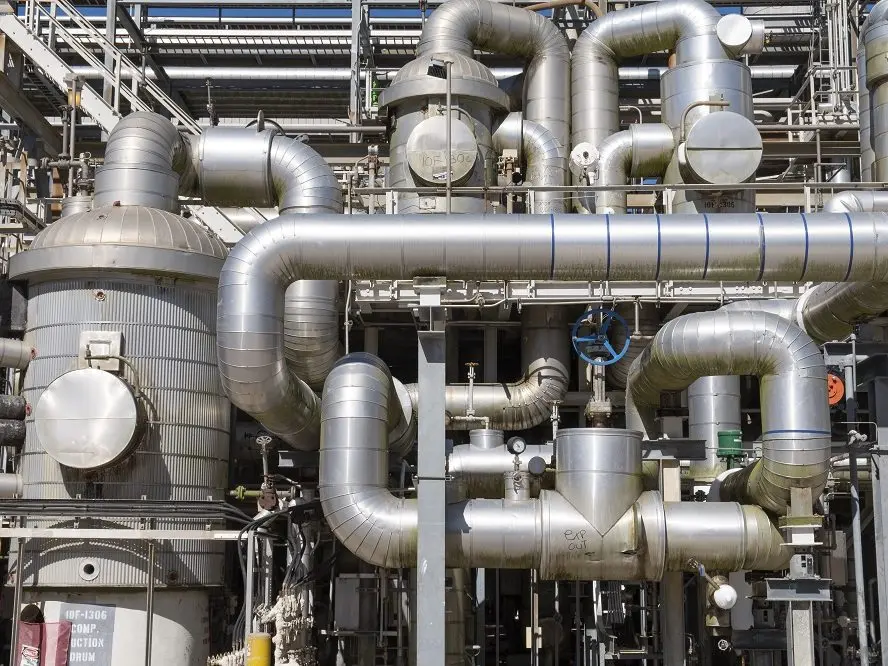
The effectiveness of any refrigeration system evaporator is deeply rooted in its design and the materials used in its construction. Modern refrigeration evaporator design prioritizes maximizing heat transfer surface area while minimizing refrigerant charge and energy consumption. This involves sophisticated engineering of fins, tubes, and overall coil geometry. For instance, our microchannel evaporators, with their narrow channels and flat tubes, embody this pursuit of efficiency, offering a lightweight profile and superior heat transfer rates. The choice of materials is equally critical. Copper and aluminum are widely favored for their excellent thermal conductivity and corrosion resistance. When combined with strategic finned tube structures, these materials optimize heat exchange, ensuring that facilities operate smoothly. Furthermore, enhanced coil coatings, often utilizing nanotechnology, play a vital role in minimizing corrosion and mold growth, significantly extending the lifespan and maintaining the performance of evaporator coils for chillers and other cooling systems.
Specialized Evaporators: From Air Conditioning to Diverse Applications
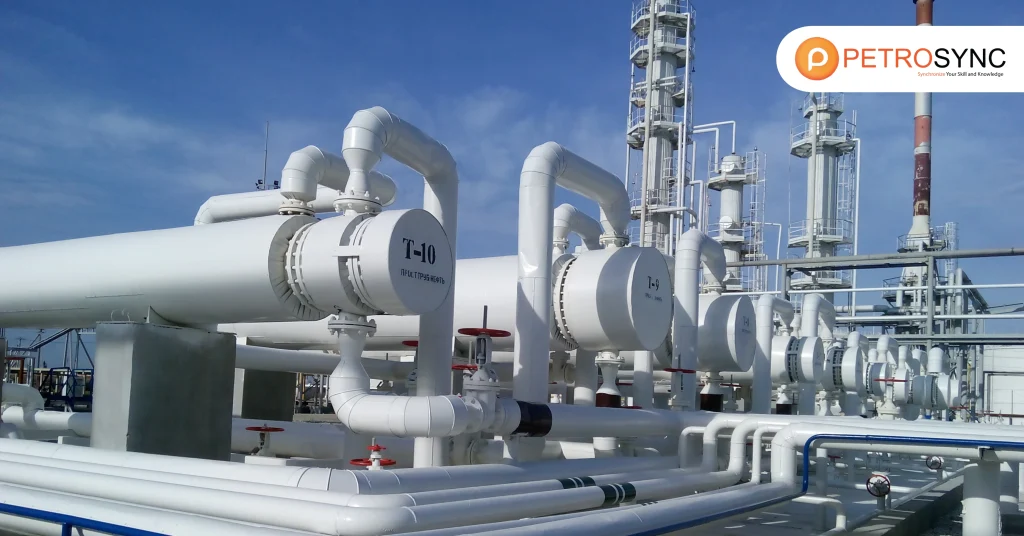
Beyond general refrigeration, specific applications demand tailored evaporator solutions. The air conditioning evaporator coil, for example, is a familiar component in residential and commercial HVAC systems, designed primarily for comfort cooling by dehumidifying and cooling air. There are various refrigeration evaporator types to suit specific needs, including bare tube, plate surface, and finned evaporators, each offering unique advantages depending on the application. Our finned tube evaporators, for instance, are crucial for applications where air or gas is being cooled. The evolution of these components involves not just performance but also integration. For example, our evaporators are crafted with precision to integrate into both residential settings and demanding commercial infrastructure, ensuring optimal climate control. This versatility underscores the importance of selecting the correct type of evaporator to achieve peak efficiency and effectiveness in any given scenario.
Enhancing Performance: Advanced Management and Smart Technologies
Optimizing the performance of an evaporator for refrigeration goes beyond its initial design; it encompasses ongoing operational management and the integration of intelligent technologies. Efficient condensate management is a crucial aspect, especially in expansive industrial or commercial settings. Our evaporators feature meticulous drain pan designs, often coupled with condensate pumps for situations where gravity drainage isn't feasible. This prevents potential water damage and maintains hygienic conditions. Looking ahead, the integration of smart technologies, such as IoT capabilities embedded within the evaporator units, is revolutionizing maintenance and efficiency. These systems enable real-time monitoring and predictive maintenance, identifying potential issues before they escalate into costly breakdowns, thereby ensuring optimal performance and significant energy savings. Furthermore, the industry's shift towards sustainable, eco-friendly refrigerants is supported by evaporator designs compatible with these newer substances, aligning cooling solutions with global environmental commitments without compromising on reliability or cooling power. These advancements, seen in our commercial evaporator units and industrial refrigeration evaporator designs, are key to future-proofing your cooling investments.