The Critical Role of Advanced Heat Exchange Technology
In an era increasingly focused on energy conservation and operational optimization, the significance of high-efficiency heat exchangers is more pronounced than ever. These sophisticated devices are fundamental to a vast array of industrial, commercial, and even residential applications, serving as the backbone for effective temperature regulation. By facilitating the transfer of thermal energy from one medium to another with minimal loss, they not only contribute to substantial energy savings but also play a vital role in enhancing the overall performance and longevity of the systems they are integrated into. The pursuit of higher efficiency in heat exchange is a continuous journey, driven by the dual demands of economic viability and environmental responsibility.
Understanding Superior Thermal Performance in Heat Exchangers
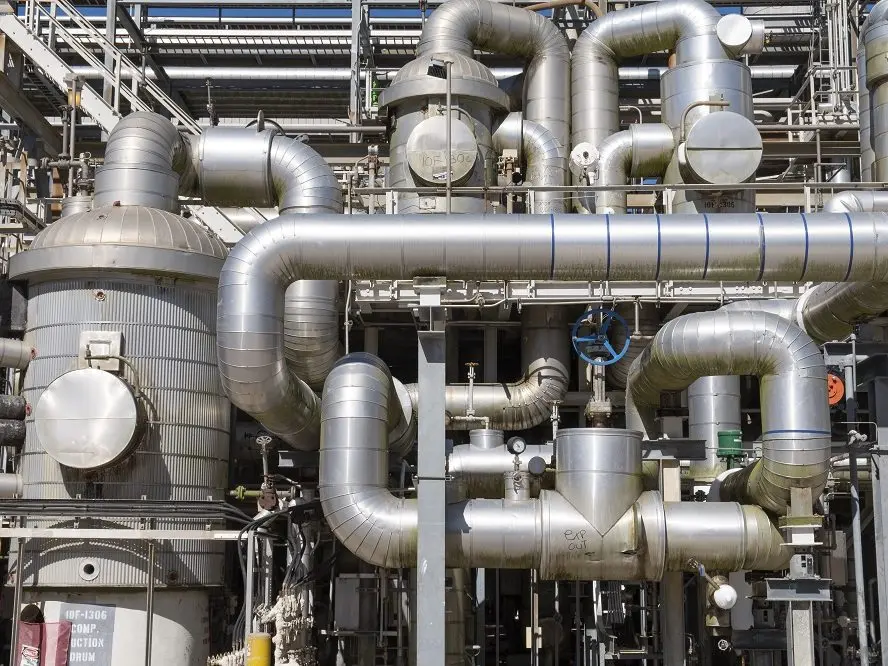
The exceptional capability of high-efficiency systems stems largely from their advanced design and construction, which directly impacts their thermal performance heat exchangers are known for. Factors such as the choice of materials, which often include highly conductive metals like copper, aluminum, or specialized alloys, are critical. Furthermore, the internal geometry – including fin design, tube arrangement, and flow path optimization – is meticulously engineered to maximize the surface area available for heat transfer and to promote turbulence in the fluid flow, which enhances the heat exchange rate. Techniques like counter-flow arrangements, where fluids flow in opposite directions, also significantly boost efficiency compared to parallel-flow designs. Innovations in manufacturing, such as microchannel technology or advanced welding and brazing techniques, further contribute to creating units that offer superior thermal performance heat exchangers need to deliver.
The Necessity of Custom and OEM Solutions
While standard heat exchangers serve a broad range of purposes, many modern applications demand solutions precisely tailored to specific operational parameters and spatial constraints. This is where custom heat exchanger designs come into play, offering bespoke configurations that maximize efficiency and integration for unique requirements. For equipment manufacturers, OEM heat exchanger solutions provide components that are not just compatible but are optimized to enhance the overall performance and marketability of their final products. These custom and OEM heat exchanger solutions often involve collaborative design processes, where engineers work closely with clients to understand intricate thermal challenges, fluid properties, pressure drop limitations, and environmental conditions. The result is a heat exchanger that performs optimally within its intended system, unlike off-the-shelf units which might compromise on efficiency or fit. This tailored approach ensures that every aspect, from material selection to port connections, aligns with the specific application, making custom heat exchanger designs a vital offering in the industry.
Achieving Efficient Thermal Management Across Systems
The integration of high-efficiency heat exchangers is a cornerstone of achieving efficient thermal management in complex systems. Effective thermal control is crucial not only for maintaining desired operating temperatures but also for protecting sensitive components from overheating, thereby extending equipment lifespan and reducing maintenance costs. By efficiently removing or adding heat as required, these exchangers ensure that systems operate within their optimal thermal window, preventing performance degradation or catastrophic failures. This precise control contributes to overall process stability, energy conservation, and can even lead to a reduced environmental footprint by minimizing wasted energy. Efficient thermal management, facilitated by well-designed heat exchange technology, is thus a critical factor in the reliability and economic viability of countless industrial processes and commercial products, moving beyond simple temperature control to holistic system optimization.
Diverse Applications Driving Demand for High-Efficiency Units
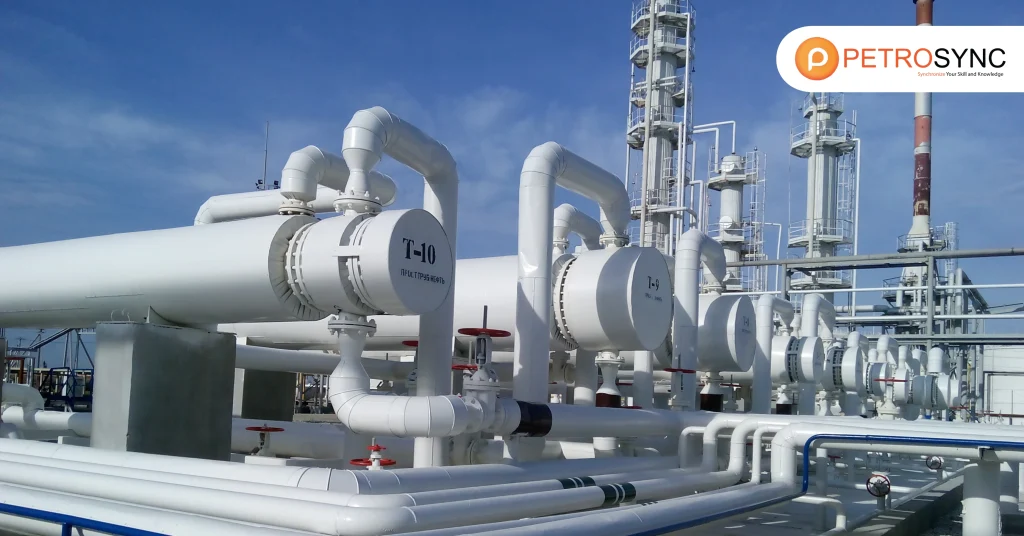
The demand for high-efficiency heat exchangers spans a multitude of sectors, each with its unique thermal challenges. In the HVAC&R (Heating, Ventilation, Air Conditioning, and Refrigeration) industry, they are essential for both comfort cooling and process chilling, significantly impacting energy consumption in buildings and industrial facilities. The power generation sector relies heavily on them for cooling turbines and recovering waste heat. In the automotive industry, they are critical for engine cooling, climate control, and increasingly, for managing the thermal loads in electric vehicle batteries and power electronics. The chemical processing, oil and gas, and food and beverage industries also extensively use various types of heat exchangers for precise temperature control in their processes. The drive for enhanced thermal performance heat exchangers is consistent across these fields, pushing innovation in design and materials. Solutions like OEM heat exchanger solutions are particularly sought after by manufacturers looking to seamlessly integrate top-tier thermal capabilities into their products.
Concluding Thoughts: Investing in Optimal Thermal Solutions
In conclusion, the move towards high-efficiency heat exchangers represents a strategic investment rather than merely an equipment upgrade. These units are pivotal in achieving significant operational cost reductions through lower energy consumption and reduced maintenance needs. Whether through standard high-performance models or through specialized custom heat exchanger designs, the focus remains on maximizing thermal transfer while minimizing energy loss. As industries continue to evolve and face stricter environmental regulations and higher energy costs, the adoption of solutions that promote efficient thermal management will become even more critical. Choosing the right heat exchanger, especially one offering superior thermal performance heat exchangers are designed for, ensures not just immediate benefits but also long-term sustainability and competitive advantage in a rapidly changing technological landscape. The ability to leverage sophisticated solutions, including tailored OEM heat exchanger solutions, will continue to define success in effective thermal management.