The Core of Modern Industry: Industrial Heat Exchangers
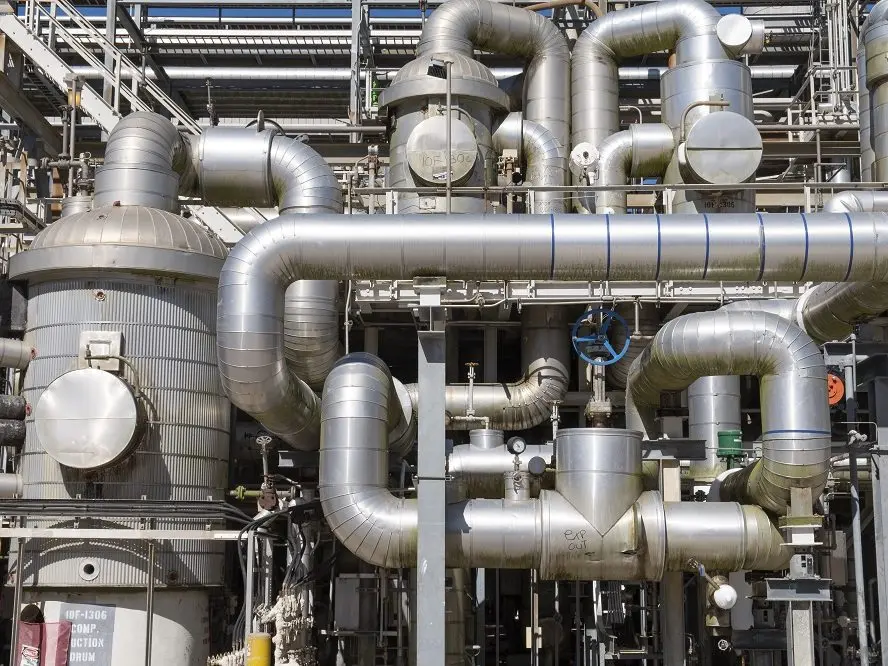
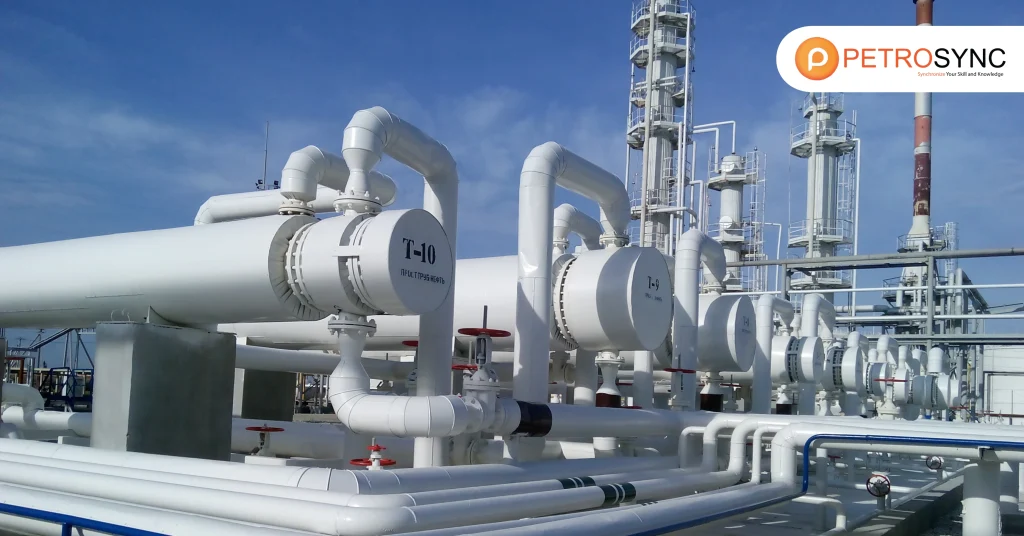
Industrial heat exchangers are fundamental components in a vast array of sectors, serving as the backbone for efficient process control and energy management. These devices are engineered to facilitate the transfer of thermal energy from one medium to another without allowing them to mix, a critical function for everything from chemical processing and power generation to food and beverage production. As industries strive for greater sustainability and operational efficiency, the demand for advanced thermal management solutions has surged. The effectiveness of these solutions hinges on the performance and reliability of the heat exchange equipment used, making it a pivotal area of innovation and engineering excellence.
Advancements in Heat Exchanger Design
A key factor driving performance is sophisticated heat exchanger design. Modern engineering has moved towards creating more compact, efficient, and durable units. A prime example of this evolution is the plate heat exchanger. This state-of-the-art device features a stack of multiple, thin, corrugated plates, typically made from high-grade stainless steel. These plates are ingeniously arranged to create a series of narrow channels. This configuration allows two separate fluids to flow concurrently, maximizing the surface area available for heat exchange in a remarkably small footprint. This clever design ensures that heat is transferred with unmatched efficiency, making it an indispensable part of modern heat transfer systems.
Choosing the Right Heat Transfer Equipment Manufacturers
The quality and longevity of a heat exchanger are directly tied to the expertise of its manufacturer. Reputable heat transfer equipment manufacturers prioritize not only innovative design but also superior materials and construction methods. The use of high-grade stainless steel, for instance, offers a dual advantage. It provides exceptional durability and resistance to corrosion, which is vital in harsh industrial environments, and it also boasts excellent thermal conductivity, further enhancing the unit's performance. The meticulous assembly and quality control processes employed by leading manufacturers ensure that each unit can withstand the rigors of continuous operation, delivering reliable service and reducing costly downtime.
Tailored Solutions: Custom Heat Exchangers for Specific Needs
While standard models serve many purposes, the unique demands of specialized applications often require tailored solutions. This is where custom heat exchangers become essential. The ability to modify a design based on specific operational parameters—such as fluid type, temperature differentials, pressure ratings, and spatial constraints—is crucial for optimizing a process. Customization allows engineers to create the perfect thermal management tool for a specific task, ensuring maximum efficiency and seamless integration into existing infrastructure. Whether for a large-scale industrial manufacturing plant or a specific commercial application, a customized device ensures that performance is never compromised.
Integrated Heat Transfer Systems for Optimal Performance
Ultimately, an industrial heat exchanger is a single component within a larger, integrated system. Its true value is realized when it works in harmony with the entire process. A well-designed plate heat exchanger contributes significantly to the overall efficiency of heat transfer systems by reducing energy consumption and boosting productivity. By enabling precise temperature control, these devices help improve product quality and reduce operational costs. As industries continue to evolve, the role of high-performance industrial heat exchangers will only grow, cementing their status as a cornerstone of modern, efficient, and sustainable operations.