The Unseen Powerhouses: Understanding Low-Cost Finned Tubes
In the realm of industrial processes and energy management, the quest for efficiency and affordability often leads to innovative solutions that, while seemingly simple, play a crucial role. Among these are low-cost finned tubes, components engineered to maximize thermal performance without imposing a significant financial burden. These specialized tubes are fundamental to achieving efficient heat transfer in a vast array of applications, transforming how industries manage temperature and conserve energy. Their design, featuring extended surface areas in the form of fins, dramatically increases the rate at which heat can be exchanged between a fluid inside the tube and another fluid or gas outside, making them indispensable in modern thermal systems.
Achieving True Value: The Economics of Cost-Effective Finned Tubes
When discussing cost-effective finned tubes, it's essential to look beyond the initial purchase price. True economic advantage stems from a combination of factors including manufacturing efficiency, material selection, longevity, and operational savings. These tubes are designed to deliver superior thermal performance, which translates directly into reduced energy consumption for heating or cooling processes. Lower energy bills, coupled with potentially smaller and more compact heat exchanger units due to enhanced efficiency, significantly contribute to overall cost savings. Furthermore, robust construction and appropriate material choices can lead to longer service life and reduced maintenance requirements, further solidifying their status as a genuinely cost-effective solution for thermal management challenges. This careful balance ensures that investing in these components yields substantial long-term benefits.
Engineering Excellence: Designs for High-Efficiency Finned Tubes
At the heart of high-efficiency finned tubes lies ingenious engineering and a deep understanding of thermal dynamics. Various finned tube designs have been developed to cater to specific operational conditions and fluid characteristics, each aiming to maximize the surface area available for heat exchange. Common designs include helically wound L-fins, embedded G-fins, and robust extruded fins, each offering unique advantages in terms of bond integrity, temperature limits, and corrosion resistance. The selection of fin material, height, thickness, and pitch are all critical parameters that are meticulously optimized to enhance heat transfer coefficients. This meticulous approach ensures that these components not only facilitate efficient heat transfer but also maintain their performanceintegrity under demanding industrial environments, ultimately contributing to overall system effectiveness.
Versatile Performers: Industrial Finned Tubes and Heat Exchanger Applications
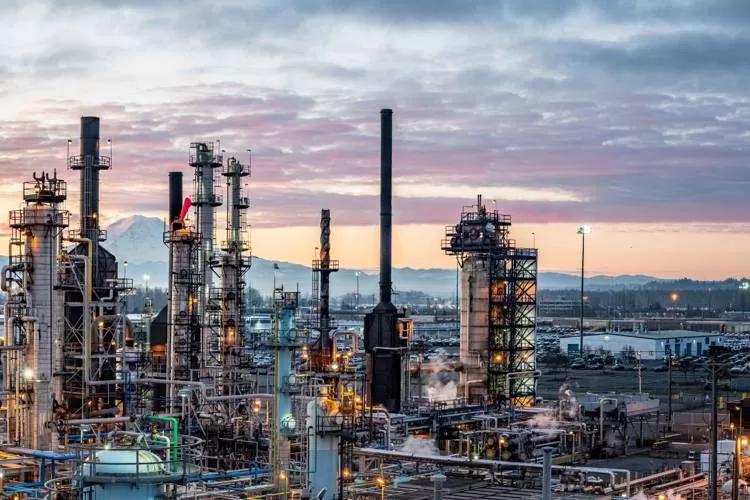
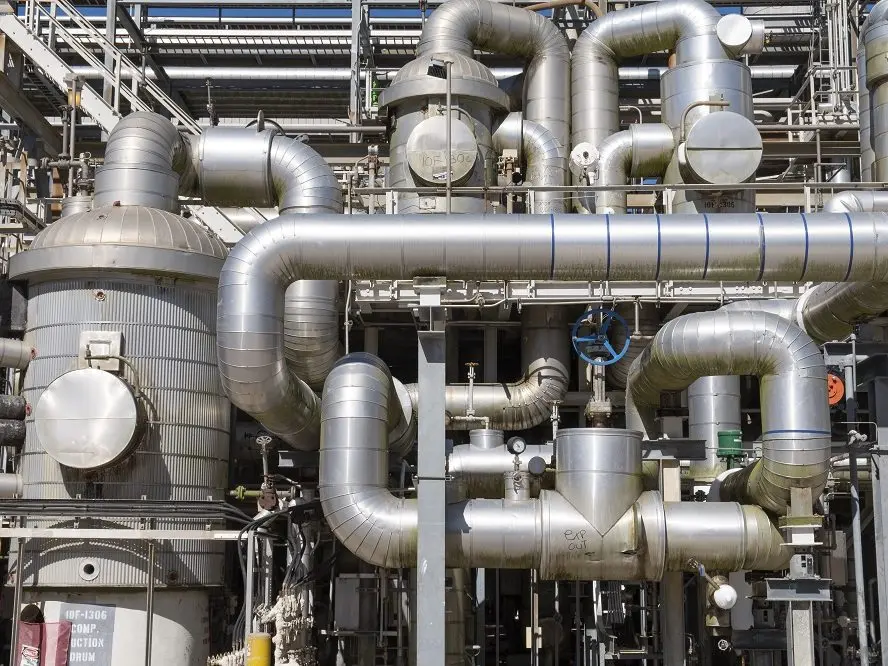
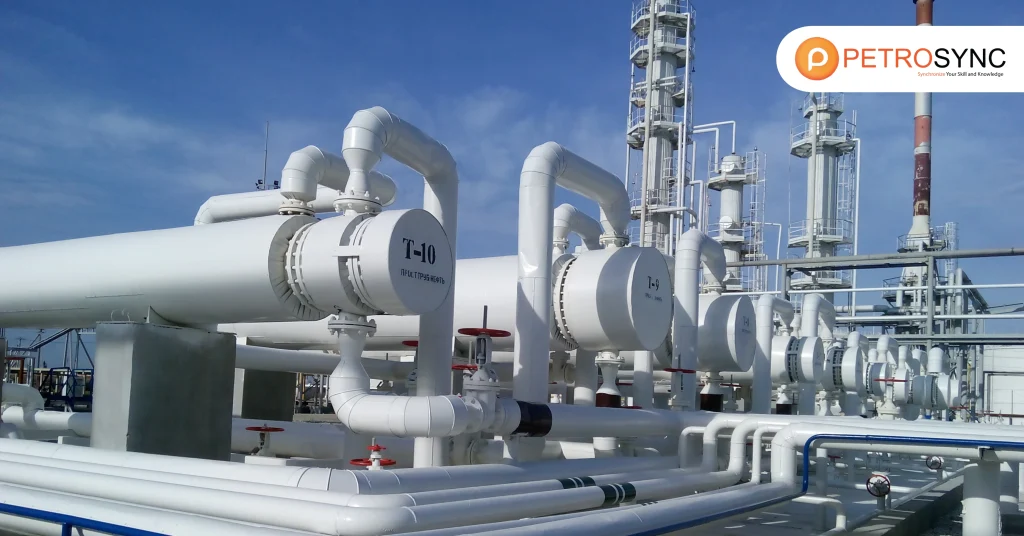
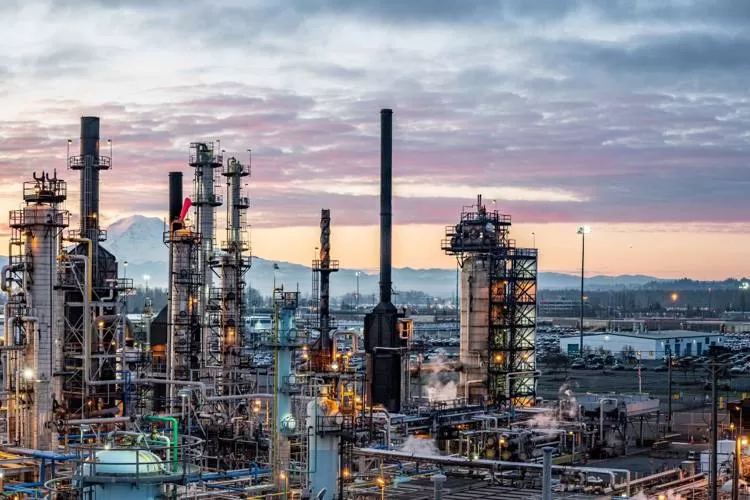
The application scope for industrial finned tubes is remarkably broad, underscoring their versatility and importance. They are cornerstone components in finned tube heat exchangers, which are vital in sectors such as power generation, oil and gas refining, chemical processing, HVAC systems, and refrigeration. In power plants, they are used in economizers and air preheaters to recover waste heat, thereby boosting overall plant efficiency. Petrochemical plants rely on them for various cooling and heating processes critical to production. Even in everyday applications like air conditioning units and commercial refrigeration, these tubes play a pivotal role in ensuring optimal temperature control. Their ability to handle different pressures, temperatures, and corrosive environments makes them a go-to solution for diverse industrial heat exchange needs.
Tailored Solutions: The Advantage of Custom Finned Tubes
While standard low-cost finned tubes meet a wide range of needs, many applications benefit significantly from custom finned tubes. Customization allows for the precise tailoring of tube specifications—such as material composition, fin type, fin density, and tube dimensions—to perfectly match the unique operational parameters and performance targets of a specific system. This bespoke approach ensures optimal thermal efficiency and mechanical integrity for specialized equipment, often leading to even greater energy savings and prolonged operational life. Whether it's for a unique chemical process, a high-pressure gas cooling application, or a space-constrained installation, custom finned tubes provide a pathway to achieve peak performance and reliability, demonstrating that even cost-focused solutions can offer a high degree of specialization and engineering sophistication.