The Shell and Tube Heat Exchanger stands as a cornerstone of modern industry, providing one of the most reliable and effective thermal transfer solutions available. These workhorses are fundamental to processes in countless sectors, from power generation to chemical manufacturing, serving as critical industrial heat exchangers. Their prevalence is no accident; it is a testament to a design that has been refined over decades to offer unparalleled performance in managing heat transfer between two fluids. This article will explore the key advantages that make this technology a top choice for engineers and plant managers worldwide.
Robust and Efficient Heat Exchanger Design
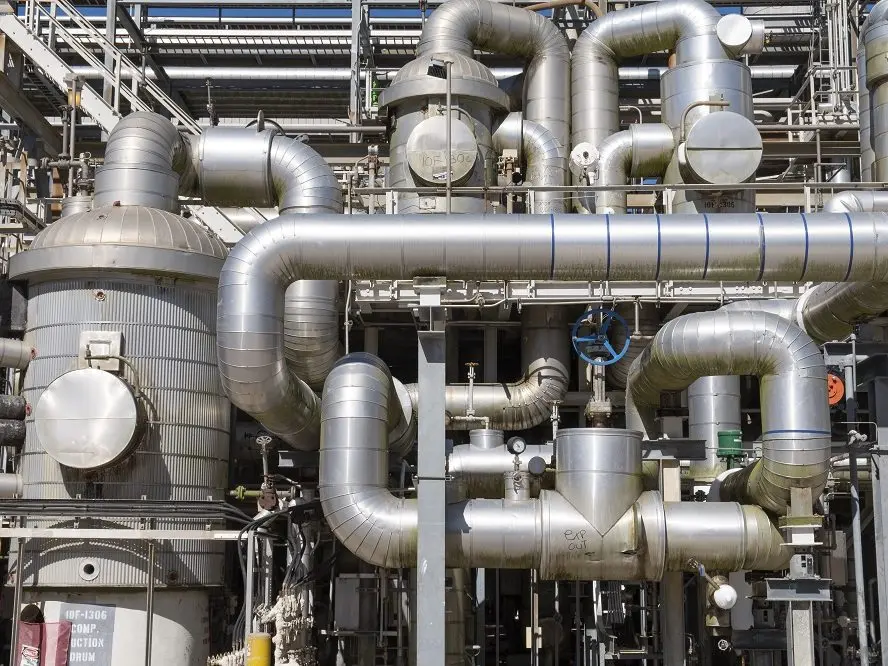
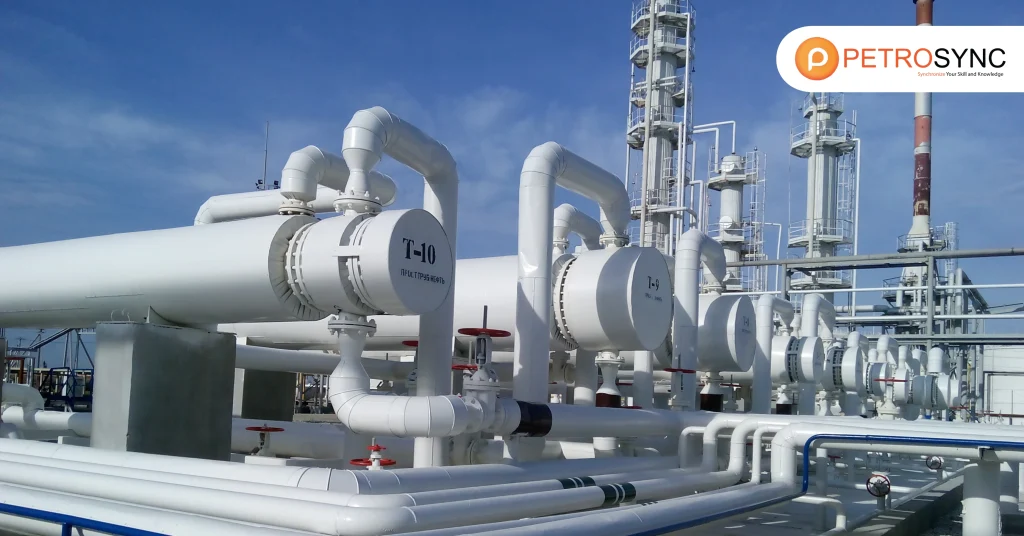
At the heart of its success is its brilliant yet straightforward heat exchanger design. The unit consists of a large cylindrical shell that encloses a bundle of tubes. One fluid flows through these tubes, while another fluid circulates within the shell, flowing over the exterior of the tubes. This arrangement creates a massive surface area for heat exchange, facilitating rapid and efficient thermal transfer. The meticulous engineering ensures optimal fluid dynamics, minimizing pressure drop while maximizing heat conductivity. This makes them highly efficient heat exchangers, capable of handling significant thermal loads with precision and reliability, which is crucial for maintaining process stability and efficiency.
Unmatched Versatility Across Industries
One of the most significant benefits is the sheer versatility of the shell and tube model. These units can be constructed from a wide variety of materials, including carbon steel, stainless steel, and exotic alloys, to handle corrosive fluids and extreme temperatures. This adaptability makes them suitable for a vast array of applications, such as cooling lubricating oil, condensing steam, or heating chemical reactants. Their robust nature allows them to operate under high pressures, a requirement in many heavy industrial settings. This flexibility solidifies their status as go-to industrial heat exchangers for a multitude of challenging thermal management tasks.
Ideal for Large Scale Operations
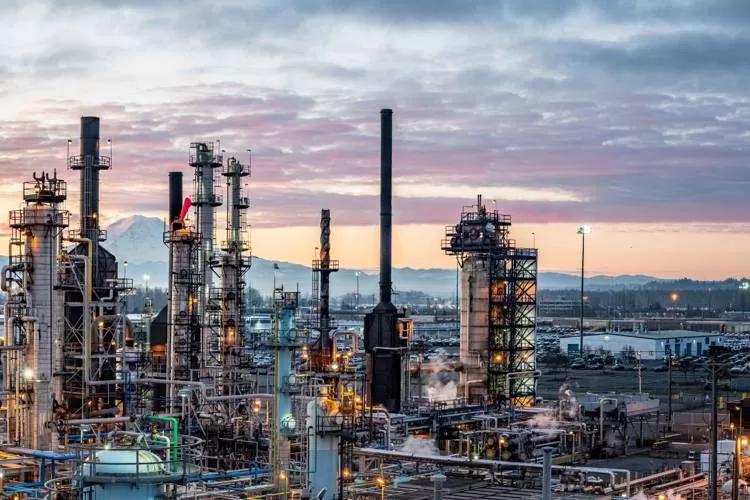
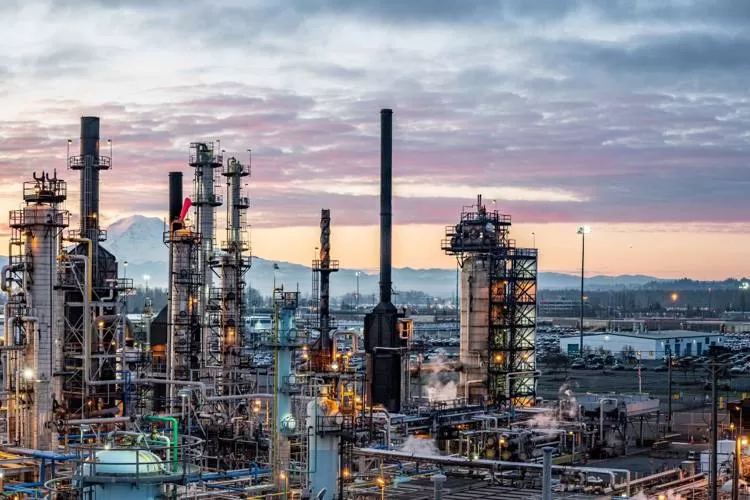
When it comes to processing massive volumes of fluids, size matters. This is where large scale heat exchangers truly shine. The shell and tube configuration is inherently scalable, allowing for the construction of enormous units that can meet the demands of the largest industrial plants, such as petroleum refineries and power stations. Their ability to handle immense flow rates and transfer vast amounts of thermal energy makes them indispensable for large scale heat exchangers in applications where smaller, more compact designs would be impractical or insufficient. This scalability ensures that as an operation grows, its thermal management infrastructure can grow with it.
Built for Durability and Ease of Maintenance
Industrial equipment must be built to last, and the Shell and Tube Heat Exchanger is no exception. Its sturdy construction provides exceptional mechanical strength and a long operational lifespan. Furthermore, the design lends itself to relatively straightforward maintenance. In many configurations, the tube bundle can be removed from the shell for inspection, cleaning, or repair. This accessibility is a major advantage over other designs where cleaning can be difficult and time-consuming. Regular maintenance ensures the unit continues to operate as one of the most efficient heat exchangers, preventing fouling and maintaining optimal performance for years.
The Ultimate Thermal Transfer Solution
In summary, the combination of a proven heat exchanger design, exceptional versatility, scalability for large operations, and robust durability makes this technology a superior choice. For any industry requiring dependable and high-performance thermal management, it represents a premier thermal transfer solution. By providing consistent and controllable heat exchange, these units help optimize processes, improve energy efficiency, and reduce operational costs, securing their place as an essential component in the modern industrial landscape.