The Essential Guide to High-Performance Thermal Exchanger Equipment
Efficient thermal management is a cornerstone of modern industry, and at its heart lies sophisticated thermal exchanger equipment. These devices are pivotal for optimizing processes, reducing energy consumption, and ensuring operational stability across a vast range of applications. From massive industrial manufacturing plants to large-scale commercial HVAC systems, the right heat exchanger can make a significant difference in efficiency and cost-effectiveness. Understanding the different types and features of this equipment is the first step toward harnessing its full potential.
1. Understanding Core Heat Transfer Equipment
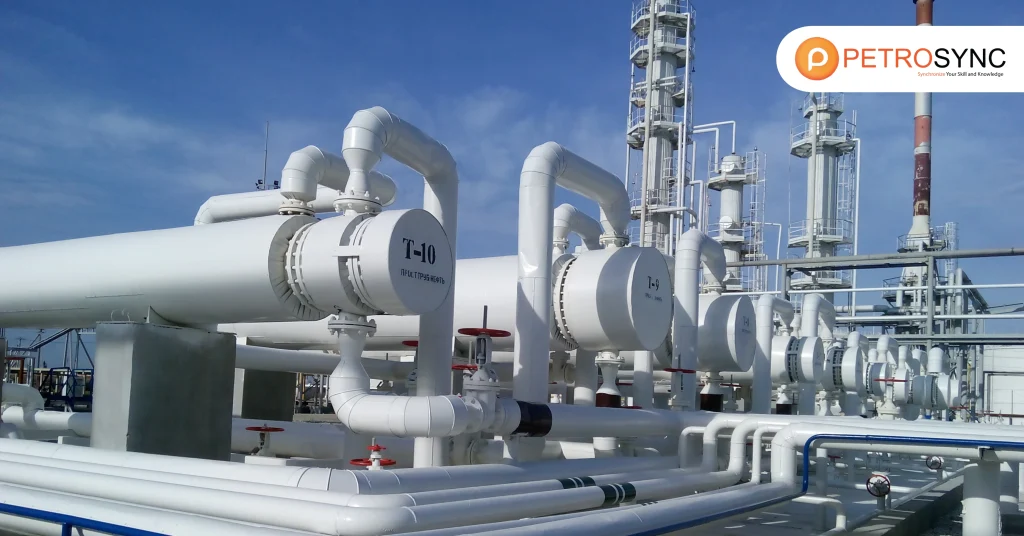
At its most basic, heat transfer equipment is designed for a simple yet crucial purpose: to move thermal energy from one medium to another without the two fluids ever mixing. While the designs and configurations can vary greatly, including common types like plate heat exchangers and robust shell and tube heat exchangers, the fundamental principle of thermal transfer remains the same. This process is essential for countless applications, from maintaining precise temperatures in chemical processing to enabling large-scale climate control and powering effective heat recovery systems. This core function is what makes them so invaluable across different sectors.
2. The Role of Industrial Heat Exchangers
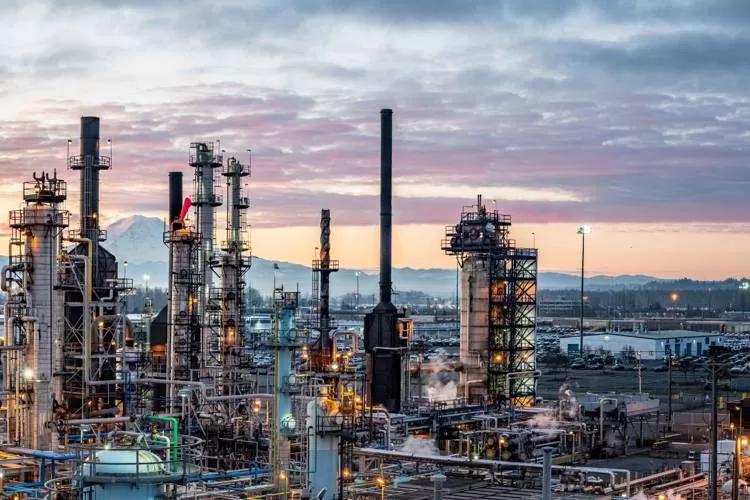
In demanding settings, industrial heat exchangers are the undisputed workhorses. They provide critical temperature control that is vital for innumerable production processes, directly ensuring both product quality and overarching operational efficiency. In the energy sector, these units support high-capacity systems while helping organizations meet ambitious energy-saving goals. For extensive facilities, these systems form the backbone of HVAC infrastructure, facilitating reliable heating and cooling for both commercial and residential complexes. Their adaptability makes them the premier solution for any industry that prioritizes reliability and peak thermal performance.
3. Innovations in Thermal Exchange Technology
The true effectiveness of a heat exchanger is often dictated by its design. Advanced thermal exchange technology, such as the innovative fin-tube structure, is meticulously engineered to maximize the surface area available for heat transfer. This brilliant design allows for the most efficient exchange of heat possible between different fluids or between a fluid and the air. Such a strong focus on maximizing efficiency translates directly into tangible benefits, including lower operational costs and a significantly smaller environmental footprint, making superior technology a key investment.
4. Why Material and Build Quality Matter
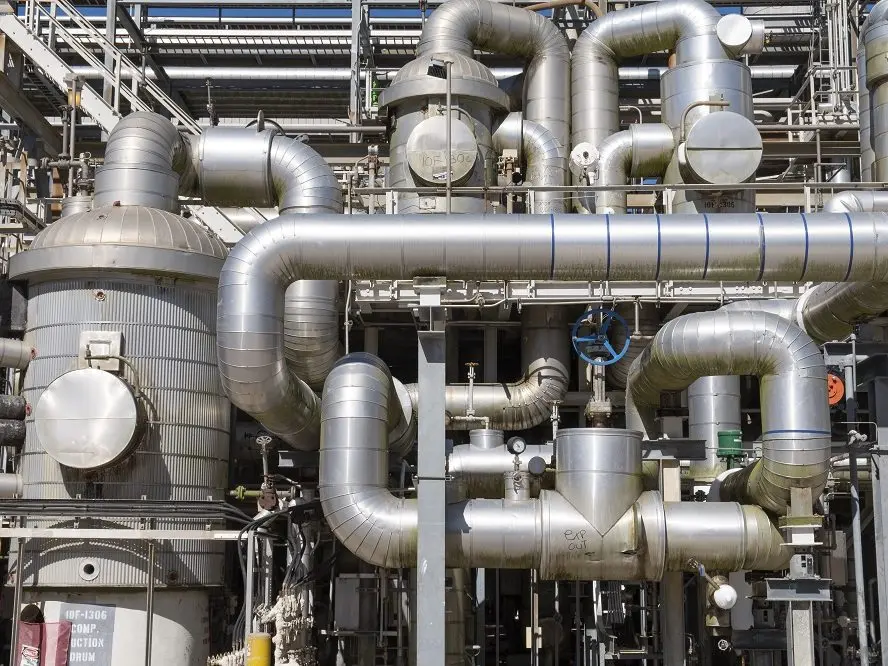
The longevity and dependability of heat exchanger systems are heavily influenced by their construction. Utilizing premium-grade materials like stainless steel ensures unparalleled durability and exceptional corrosion resistance, which is absolutely critical for long-term deployments in harsh industrial environments. A robustly built unit not only withstands these demanding conditions but also minimizes maintenance requirements. Furthermore, smart design features like a compact footprint and user-friendly flange connectors allow for seamless integration and space-saving installation, making modern equipment both powerful and immensely practical.
5. Selecting the Right Heat Exchanger Systems
Choosing the correct thermal exchanger equipment is a strategic investment in your operation's efficiency, energy savings, and long-term viability. By opting for heat exchanger systems that feature an advanced design, robust construction, and flawless functionality, businesses can effectively streamline processes and create stable temperature environments even within the most complex setups. This commitment to quality engineering ensures that all thermal management needs are not just met, but comprehensively exceeded, delivering value for years to come.