The Core of Industrial Thermal Management
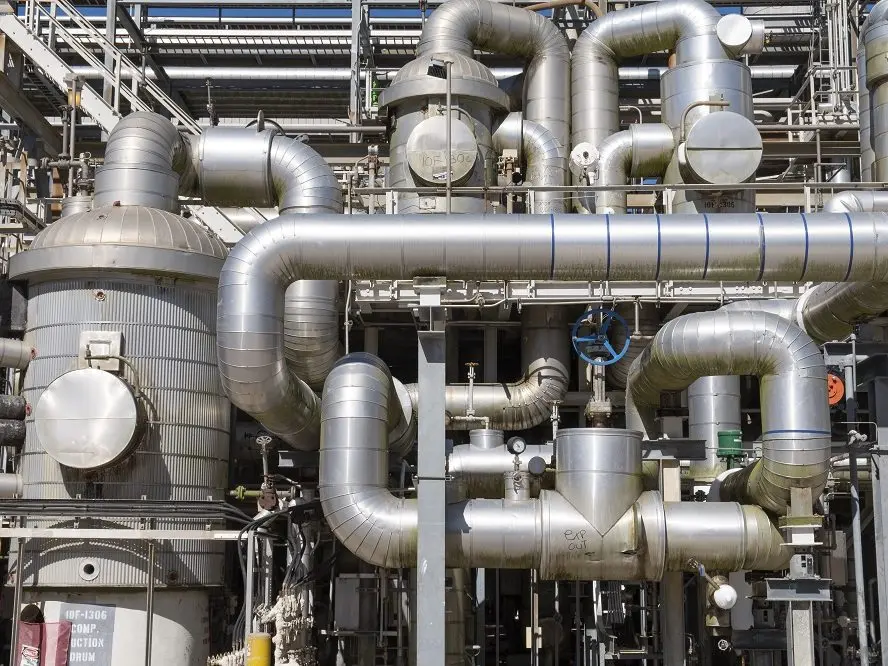
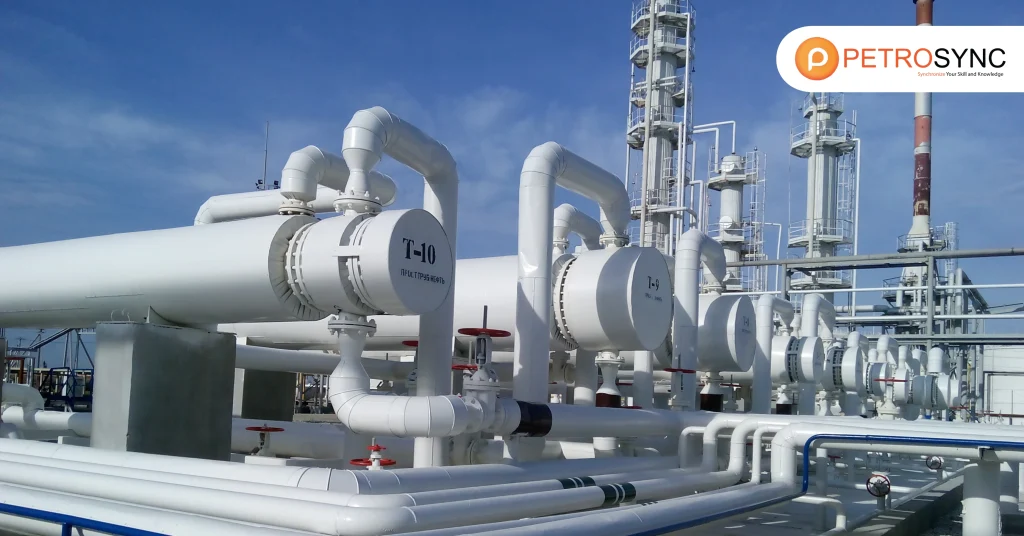
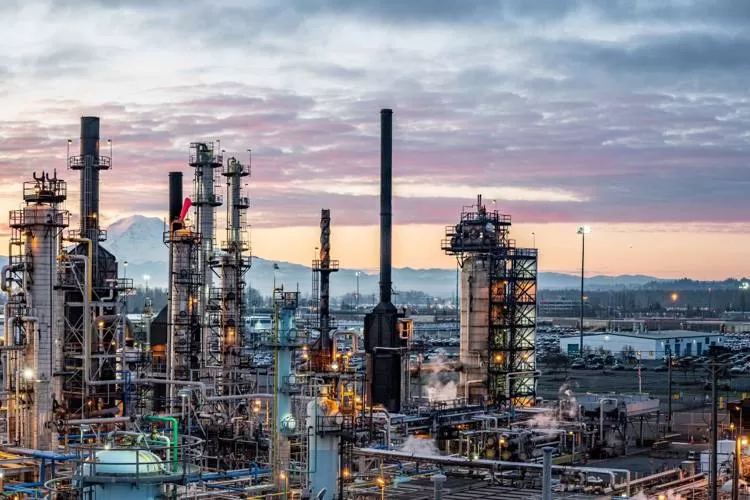
In the heart of modern industry, where processes generate immense thermal energy, efficient temperature control is not just a luxury—it is a necessity. The industrial grade heat exchanger stands as a cornerstone technology, providing essential thermal management across a vast array of applications. These powerful devices are the linchpin of operational efficiency, ensuring that machinery runs smoothly and processes remain stable. As industries seek greater sustainability and cost-effectiveness, the demand for advanced heat exchange solutions has never been higher, driving innovation in both design and materials to meet the challenges of today's demanding environments.
Advanced Fin and Tube Technology
A prime example of this innovation is the fin type heat exchanger, a marvel of thermal engineering. At its core, this device features a network of tubes, often made from highly conductive materials like copper, through which a heating or cooling fluid flows. Attached to these tubes is an intricate array of metal fins, a design that dramatically increases the surface area available for heat transfer. This amplification is the key to its high efficiency. As air passes over the fins, heat is rapidly exchanged with the fluid inside the tubes. This principle of heat transfer technology allows for compact yet incredibly powerful thermal regulation, making fin tube heat exchangers a preferred choice for applications ranging from large-scale HVAC systems to specialized industrial equipment.
Customization and Precision Engineering
No two industrial applications are exactly alike, which is why the field of heat exchanger design is so critical. Manufacturers often provide custom heat exchangers tailored to the specific requirements of a project. This process involves a deep understanding of fluid dynamics, thermodynamics, and material science to create a piece of thermal engineering equipment that delivers optimal performance. Factors such as the type of fluids involved, operating temperatures and pressures, and spatial constraints are all considered to engineer a solution that integrates seamlessly into a larger system. This bespoke approach ensures maximum efficiency, reliability, and a longer operational lifespan for the equipment.
Choosing the Right Partner for Industrial Cooling
These devices are fundamental components in industrial cooling systems, which are vital for preventing overheating in manufacturing plants, power generation facilities, and data centers. The reliability of an entire operation can hinge on the performance of its heat exchangers. For this reason, selecting from experienced and reputable heat exchanger manufacturers is paramount. A quality manufacturer not only supplies a durable and efficient product but also provides the engineering support and after-sales service necessary to ensure long-term success. By partnering with an expert, companies can secure a robust thermal management solution that minimizes energy consumption and reduces the risk of costly downtime, safeguarding their processes for years to come.