The Power of Customization in Thermal Management
In today's advanced industrial landscape, generic, off-the-shelf components often fall short of meeting the unique and demanding requirements of specialized processes. This is particularly true for thermal management systems, where precision and efficiency are paramount. A customizable heat exchanger offers a bespoke solution, engineered specifically to align with the operational parameters of a given application. By moving beyond standard models, industries can unlock significant improvements in performance, energy consumption, and reliability, ensuring their systems operate at peak capacity. These tailored units are designed from the ground up to address specific challenges, whether it involves space constraints, unusual fluid properties, or extreme temperature differentials.
Engineering for Peak Performance: The Design Process
At the core of a superior thermal unit is a meticulous heat exchanger design process. This is not about simply choosing a model from a catalog; it is a collaborative engineering effort to create an optimal component. A prominent example of innovative design is the finned tube heat exchanger, which brilliantly showcases how structural modifications can yield massive gains. By adding precision-crafted fins to the tubes, the total surface area available for heat exchange is dramatically increased. This amplification of surface area is the key to achieving highly efficient heat transfer, allowing for a more rapid and complete exchange of thermal energy between fluids. This level of detailed engineering ensures that the final product delivers superior performance and contributes to significant energy savings over its lifespan.
Built to Last: Tailored Materials for Industrial Applications
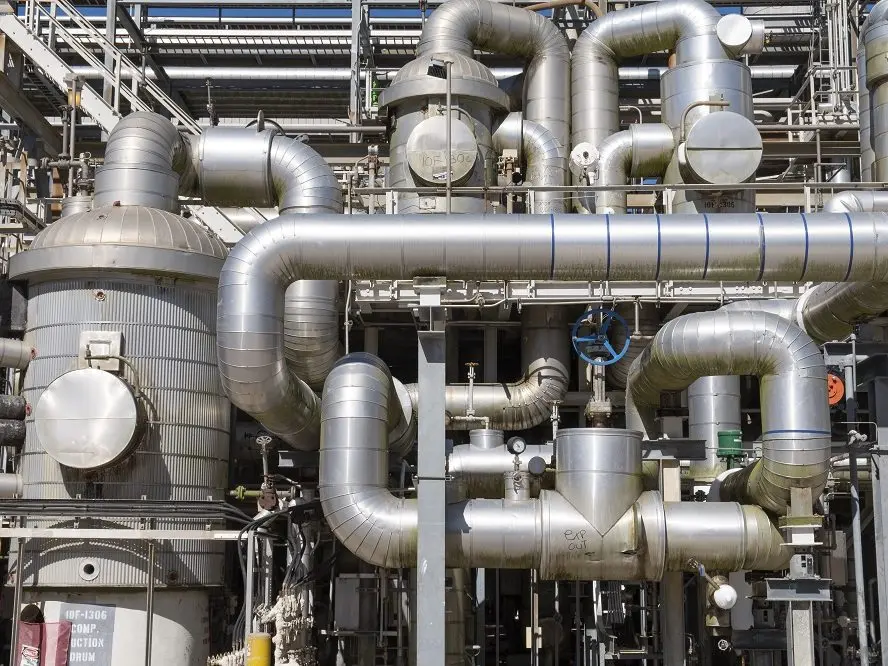
Durability is a non-negotiable attribute for industrial heat exchangers, which are frequently subjected to harsh operating conditions. High pressures, elevated temperatures, and corrosive media can quickly degrade inferior equipment, leading to costly failures and operational downtime. The customization process extends to the careful selection of materials best suited for the intended environment. For instance, a unit might be constructed from high-grade stainless steel for its resistance to corrosion and high temperatures, or from copper for its excellent thermal conductivity. By creating tailored heat exchangers with the right materials, companies can ensure long-term reliability and a robust service life, safeguarding their investment and maintaining operational continuity even in the most challenging industrial settings.
Versatile Thermal Solutions for Diverse Sectors
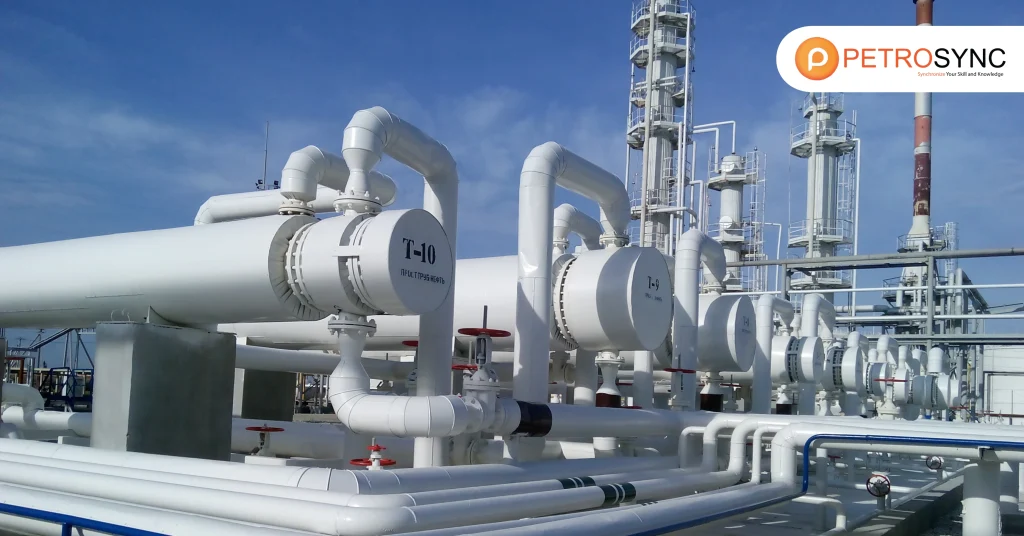
One of the greatest strengths of a configurable approach is its incredible versatility. These units are not confined to a single industry but provide essential thermal solutions across a vast spectrum of applications. In the HVAC sector, they are crucial for air conditioning and refrigeration systems. In heavy industry, they are fundamental to process heating and cooling. Furthermore, they play a vital role in the energy sector for power generation systems. Because each unit can be tailored, it can be optimized for the specific needs of any industry, guaranteeing peak performance whether it's part of a commercial building's climate control or a large-scale industrial plant's core process.
Maximizing Uptime and Long-Term Value
Beyond initial performance, a truly customizable heat exchanger is designed with its entire lifecycle in mind. This includes considerations for installation, maintenance, and serviceability. A modular design, for example, can simplify the installation process and make routine cleaning and maintenance far more straightforward. Easy access to components reduces downtime and lowers long-term operational costs. This forward-thinking approach ensures that the heat exchanger is not just a high-performing component, but also a valuable, cost-effective asset that provides sustained value. Investing in a tailored solution is an investment in efficiency, durability, and a streamlined operational future.