Understand the board heat exchanger
Plate heat exchangers are the cornerstone of modern heat transfer technology, defining the efficiency and adaptability of thermal management systems. This advanced heat transfer device consists of a number of thin corrugated cardboard that can be exchanged efficiently between fluids. From industrial applications to HVAC systems, board heat exchangers are designed to deliver high performance, compact size and unparalleled energy efficiency.
Whether your needs include washers heat exchangers, welded plate heat exchangers, and even compact heat exchangers with tight spaces, these devices will continue to set standards. The complex design of heat exchanger boards maximizes heat transfer while minimizing ineffective efficiency, making it a popular choice in the industry from power generation to renewable energy systems.
The benefits of board heat exchangers
The key advantage of industrial board heat exchangers is their flexibility and adaptability, thanks to a modular design that allows customization to suit specific processing requirements. Whether you need specific materials such as stainless steel or high-performance alloys, manufacturers and other manufacturers work hard to produce equipment that is rich in heat management.
A outstanding feature is the high thermal efficiency achieved through its innovative heat exchanger design. This pairs with durability and corrosion resistance, ensuring the unit can withstand severe operating environments including extreme temperatures and corrosive fluids. Furthermore, their compact structure is ideal for space-constrained projects, providing high performance without taking up too much space.
Easy maintenance benefits are also high, especially for gasket models. These units can be easily cleaned, replaced, and adjusted, which greatly reduces downtime. The welding model, while less maintenance-friendly, provides increased pressure and temperature limitations, which are suitable for more demanding industrial applications.
Multiple applications in various industries
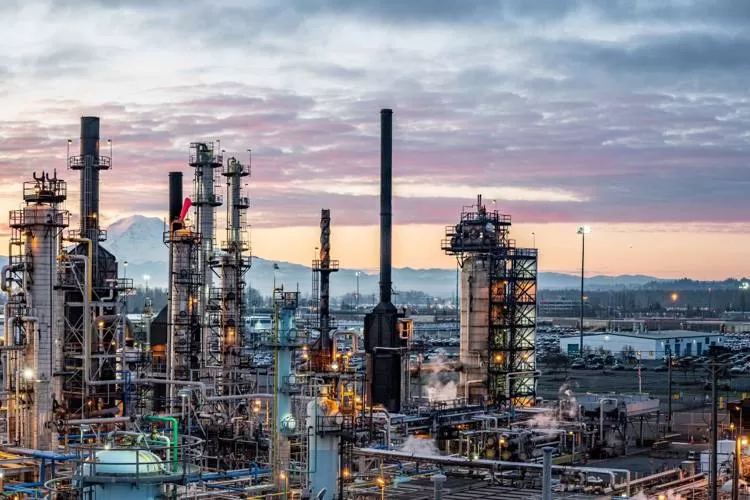
There are a wide range of applications for plate heat exchangers, reflecting their versatile design and efficiency. For example, in HVAC systems, they are an important part of the energy-efficient heating, cooling and ventilation process. Industry such as oil and gas work with specialized versions such as welded plate heat exchangers to effectively manage high-temperature fluids and gases.
In the power generation sector, these board systems enter focus by optimizing turbine emission cooling and restoring waste heat. Meanwhile, the renewable energy industry utilizes them in solar thermal systems and geothermal settings, emphasizing their role in creating sustainable processes. The automotive and aviation industries also benefit from these switches by managing radiator and intercooler temperatures, ensuring mechanical reliability and optimal performance.
Why invest in plate heat exchangers?
Choose a board heat exchanger represents an investment in cost efficiency, flexibility and long-term reliability. They are customizable options (including fin type, sheet material or size) to meet target solutions for specific industrial needs. With environmental sustainability in mind, these exchangers minimize energy consumption while maintaining high operational output and are consistent with modern environmentally friendly design principles.
In addition, the integration of robust materials such as copper, aluminum or stainless steel not only ensures optimal thermal performance but also provides long-term durability. The structure of aesthetic design is an engineering feat that combines functionality with visual appeal, often becoming the focus of advanced thermal management systems.
In short, plate heat exchangers are transformative tools to enrich industrial processes through unparalleled engineering, efficiency and adaptability. Whether meeting strict energy needs, optimizing space or simplifying maintenance, this heat transfer device is essential in modern industrial environments.