Understanding Condenser Efficiency Calculation
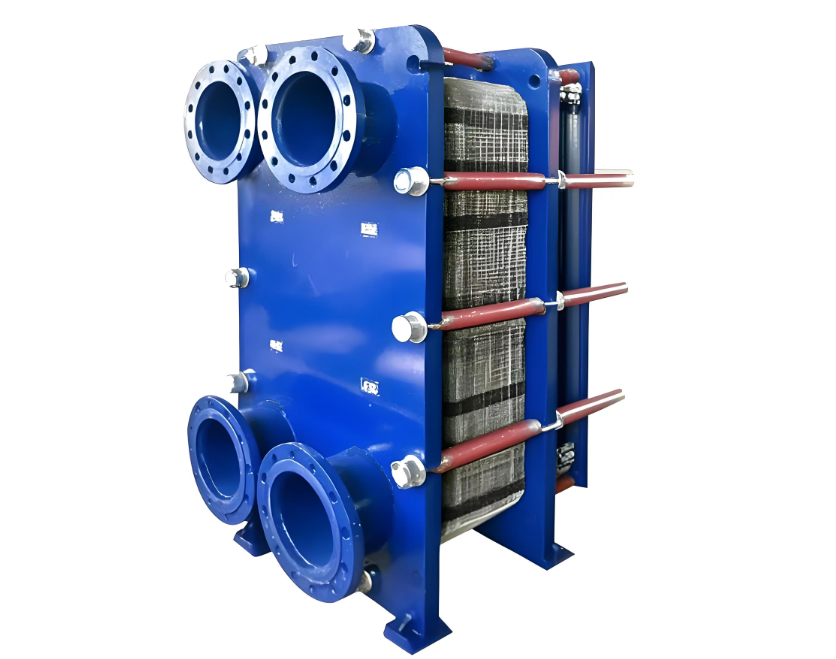
Condenser efficiency calculation is a vital aspect of industrial operations, particularly for industries that rely heavily on condensing units for their processes. The efficiency of a condenser determines how effectively heat transfer occurs, which directly impacts energy consumption and operational costs. To calculate condenser efficiency, there are various performance metrics to consider, including thermal efficiency and the overall heat transfer rate. Techniques such as condensing efficiency calculation methods and specific formulas are used to gauge this efficiency, ensuring optimal performance and cost-effectiveness.
Exploring Types of Condensers and Their Efficiency
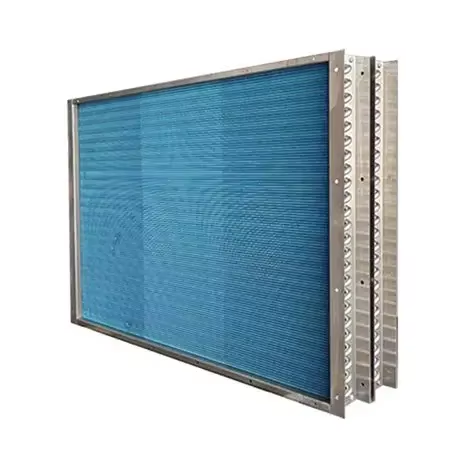
When it comes to different types of condensers, understanding their efficiency is crucial for selecting the right unit for specific applications. Each type, whether air-cooled, water-cooled, or evaporative, has unique attributes that affect its performance metrics. For instance, condenser heat transfer efficiency varies significantly across these types, influenced by factors such as ambient temperature, maintenance routines, and design specifications. Condenser efficiency formula can be applied to assess these variations, highlighting the importance of selecting the appropriate condenser type to maximize efficiency in industrial settings.
Improving Condenser Efficiency with Advanced Solutions
Tenghao Machinery's latest advancements in high-efficiency pressure vessels offer a significant leap in condensing unit efficiency. These vessels are designed to enhance durability and resist corrosion with their robust stainless steel construction. The versatility of horizontal and vertical variants caters to different spatial constraints and operational demands, ensuring exceptional performance in high-pressure environments. The seamless and polished surfaces facilitate easy maintenance, crucial for industries prioritizing hygiene. Tenghao's commitment to precision engineering is evident in the expertly welded joints and integrated piping systems, enhancing safety and efficiency. These vessels are equipped with safety valves and robust support legs, making them ideal for heavy-duty applications like chemical processing, pharmaceutical production, and food and beverage preparation. By integrating Tenghao's advanced pressure vessels, industries can achieve significant improvements in overall condenser performance, energy efficiency, and technological integration.