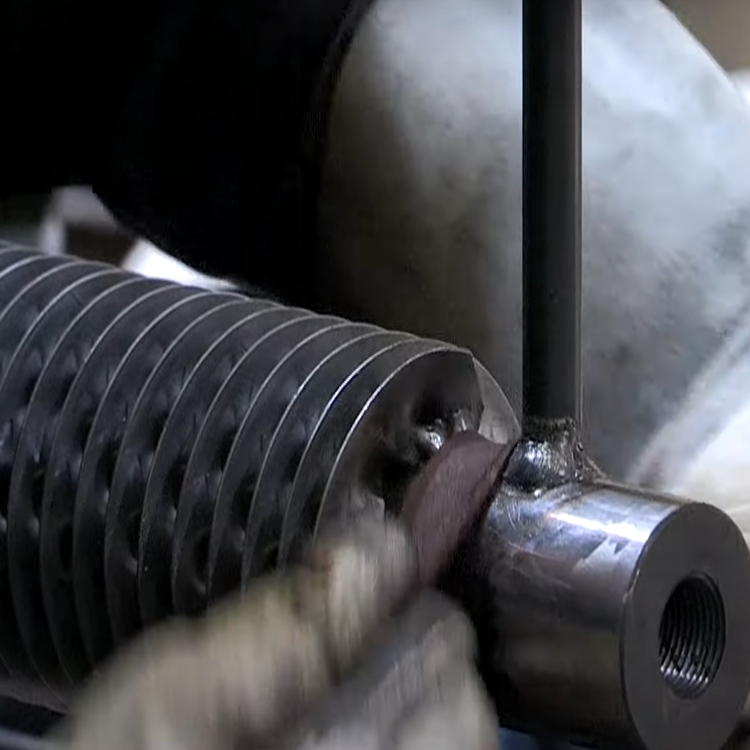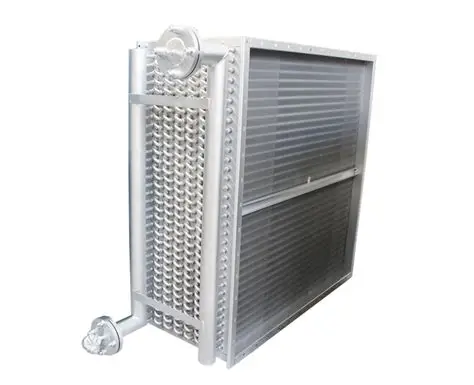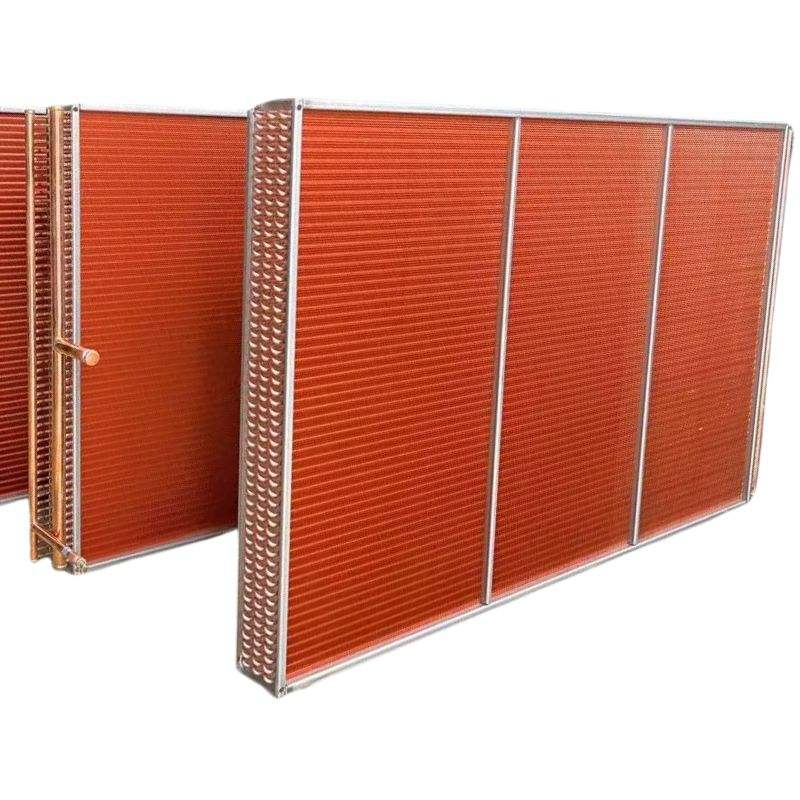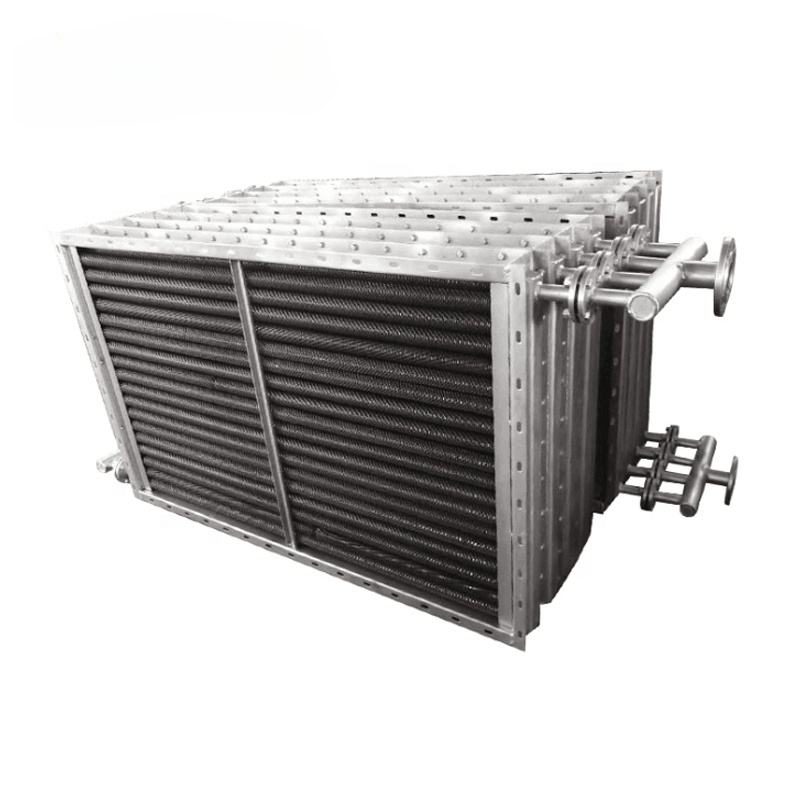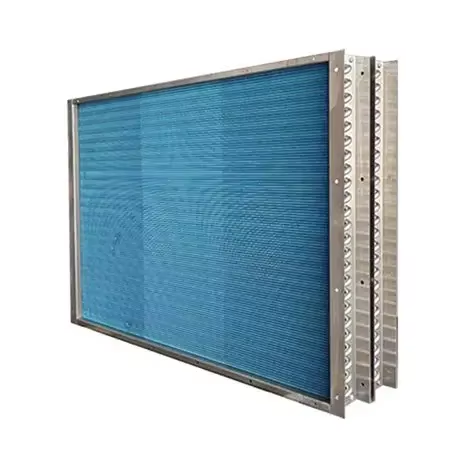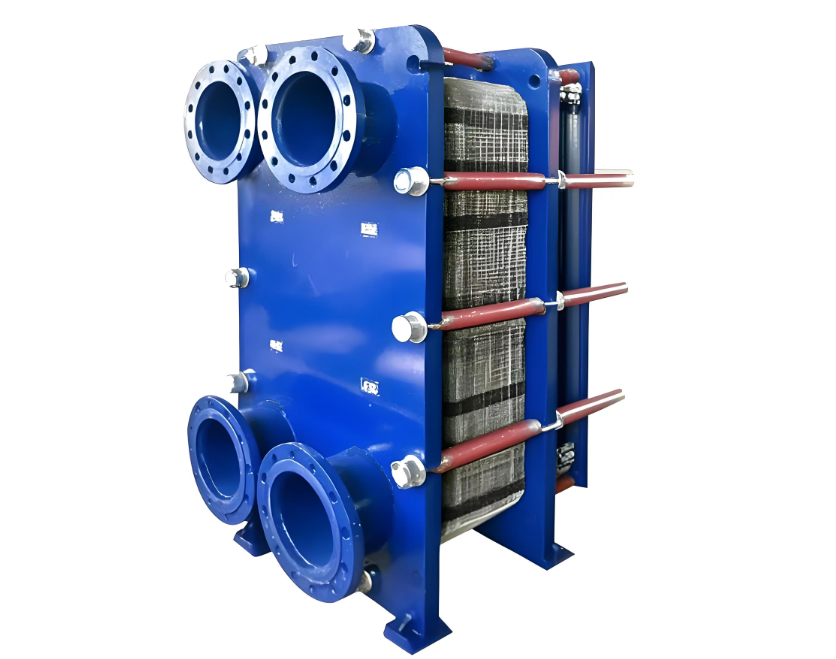
Heat exchangers are truly the unsung heroes in a vast array of industrial and commercial applications, forming the cornerstone of efficient Industrial Heat Exchange Solutions. These remarkable devices are engineered with precision to facilitate the transfer of thermal energy from one fluid medium to another, without the fluids ever directly mixing. This fundamental process is pivotal not just for optimizing the operational efficiency of countless systems, but also for significant energy conservation efforts. The simple elegance of their core principle – bringing two substances at different temperatures into thermal contact, typically separated by a conductive solid wall – belies the complexity and ingenuity involved in their design and application across diverse sectors worldwide, ensuring processes run smoothly and product quality is maintained.
Among the diverse family of heat transfer equipment, the Melt Heat Exchanger stands out due to its specialized design tailored for demanding applications. These units are specifically engineered to handle fluids with extremely high viscosity, such as molten polymers, plastics, or adhesives in various Industrial Processes. Maintaining precise temperature control is paramount when dealing with these materials, as slight deviations can lead to product degradation, solidification within the exchanger, or inconsistencies in the final product. A Melt Heat Exchanger often features unique flow paths and robust construction to prevent blockages and ensure uniform heat distribution, facilitating smooth and continuous operation even under challenging conditions. Their role is crucial in manufacturing processes where the quality and consistency of the end product are directly linked to the thermal management of these viscous substances. The thoughtful engineering behind these exchangers ensures they contribute significantly to maintaining overall system reliability and product integrity, making them indispensable for specific industries.
The relentless pursuit of greater energy savings and improved performance has driven the evolution of the High-Efficiency Heat Exchanger. These advanced units are meticulously designed to maximize the rate of heat transfer while minimizing energy losses, pressure drop, and overall operational costs. Such improvements contribute directly to enhanced Thermal Efficiency across entire systems, making them a smart investment for long-term operational excellence. A popular and versatile design often employed to achieve these goals is the Multitube Heat Exchanger, a specific type of shell-and-tube exchanger. This configuration typically involves a bundle of tubes housed within a larger cylindrical shell. One fluid flows through the tubes, while the other flows over the exterior of the tubes within the shell, creating a large surface area for efficient exchange. The Multitube Heat Exchanger is favored in many Heat Transfer Systems due to its robustness, adaptability to various operating pressures and temperatures, and relative ease of maintenance, offering a reliable solution for myriad applications.
The application of heat exchangers is fundamental to a multitude of Industrial Processes across virtually every sector. From chemical processing plants and petroleum refineries where precise temperature control is critical for reactions and separations, to power generation facilities that rely on them for steam condensation and cooling, their presence is ubiquitous. In food and beverage production, these devices are vital for pasteurization, sterilization, and temperature control during various manufacturing stages, ensuring safety and quality. Even in environmental applications, they play a key role in waste heat recovery, helping industries reduce their energy footprint and improve sustainability. The overarching goal in all these applications is not just effective heat transfer, but achieving it with maximum Thermal Efficiency. Advanced Heat Transfer Systems, incorporating sophisticated Heat Exchanger designs, allow industries to operate more economically, safely, and with a reduced environmental impact, making them indispensable components of modern industrial infrastructure and critical for achieving optimal operational outcomes. The careful selection and integration of the appropriate Heat Exchanger type is a key engineering decision that impacts everything from production rates to energy consumption.
In conclusion, the world of heat exchangers is diverse and dynamic, with solutions like the specialized Melt Heat Exchanger for challenging viscous fluids, and the versatile Multitube Heat Exchanger forming parts of complex Heat Transfer Systems. The constant drive towards enhanced Thermal Efficiency pushes innovation in the design of High-Efficiency Heat Exchanger units, making them integral to modern Industrial Processes. These devices are far more than simple pieces of equipment; they are critical enablers of efficiency, sustainability, and productivity across the global industrial landscape, silently ensuring that processes run smoothly and resources are utilized wisely through effective Industrial Heat Exchange Solutions.
The Unique Challenge of Viscous Fluids: Introducing the Melt Heat Exchanger
Among the diverse family of heat transfer equipment, the Melt Heat Exchanger stands out due to its specialized design tailored for demanding applications. These units are specifically engineered to handle fluids with extremely high viscosity, such as molten polymers, plastics, or adhesives in various Industrial Processes. Maintaining precise temperature control is paramount when dealing with these materials, as slight deviations can lead to product degradation, solidification within the exchanger, or inconsistencies in the final product. A Melt Heat Exchanger often features unique flow paths and robust construction to prevent blockages and ensure uniform heat distribution, facilitating smooth and continuous operation even under challenging conditions. Their role is crucial in manufacturing processes where the quality and consistency of the end product are directly linked to the thermal management of these viscous substances. The thoughtful engineering behind these exchangers ensures they contribute significantly to maintaining overall system reliability and product integrity, making them indispensable for specific industries.
Maximizing Performance: The Rise of High-Efficiency and Multitube Heat Exchangers
The relentless pursuit of greater energy savings and improved performance has driven the evolution of the High-Efficiency Heat Exchanger. These advanced units are meticulously designed to maximize the rate of heat transfer while minimizing energy losses, pressure drop, and overall operational costs. Such improvements contribute directly to enhanced Thermal Efficiency across entire systems, making them a smart investment for long-term operational excellence. A popular and versatile design often employed to achieve these goals is the Multitube Heat Exchanger, a specific type of shell-and-tube exchanger. This configuration typically involves a bundle of tubes housed within a larger cylindrical shell. One fluid flows through the tubes, while the other flows over the exterior of the tubes within the shell, creating a large surface area for efficient exchange. The Multitube Heat Exchanger is favored in many Heat Transfer Systems due to its robustness, adaptability to various operating pressures and temperatures, and relative ease of maintenance, offering a reliable solution for myriad applications.
The Indispensable Role of Heat Exchangers in Modern Industrial Processes
The application of heat exchangers is fundamental to a multitude of Industrial Processes across virtually every sector. From chemical processing plants and petroleum refineries where precise temperature control is critical for reactions and separations, to power generation facilities that rely on them for steam condensation and cooling, their presence is ubiquitous. In food and beverage production, these devices are vital for pasteurization, sterilization, and temperature control during various manufacturing stages, ensuring safety and quality. Even in environmental applications, they play a key role in waste heat recovery, helping industries reduce their energy footprint and improve sustainability. The overarching goal in all these applications is not just effective heat transfer, but achieving it with maximum Thermal Efficiency. Advanced Heat Transfer Systems, incorporating sophisticated Heat Exchanger designs, allow industries to operate more economically, safely, and with a reduced environmental impact, making them indispensable components of modern industrial infrastructure and critical for achieving optimal operational outcomes. The careful selection and integration of the appropriate Heat Exchanger type is a key engineering decision that impacts everything from production rates to energy consumption.
In conclusion, the world of heat exchangers is diverse and dynamic, with solutions like the specialized Melt Heat Exchanger for challenging viscous fluids, and the versatile Multitube Heat Exchanger forming parts of complex Heat Transfer Systems. The constant drive towards enhanced Thermal Efficiency pushes innovation in the design of High-Efficiency Heat Exchanger units, making them integral to modern Industrial Processes. These devices are far more than simple pieces of equipment; they are critical enablers of efficiency, sustainability, and productivity across the global industrial landscape, silently ensuring that processes run smoothly and resources are utilized wisely through effective Industrial Heat Exchange Solutions.