In the landscape of modern technology and the global transition toward sustainable energy, the principle of Efficient Thermal Exchange stands as a cornerstone of progress. As industries from data centers to clean energy pioneer new frontiers, the ability to manage thermal energy becomes paramount. Advanced infrastructures, such as state-of-the-art hydrogen storage and distribution facilities, depend entirely on sophisticated Thermal Exchange Systems to function safely, reliably, and economically. Without mastering how heat is moved, stored, and repurposed, the promise of these groundbreaking technologies would remain just out of reach, highlighting the critical role of thermal engineering in building the future.
Understanding Heat Transfer Efficiency in Modern Systems
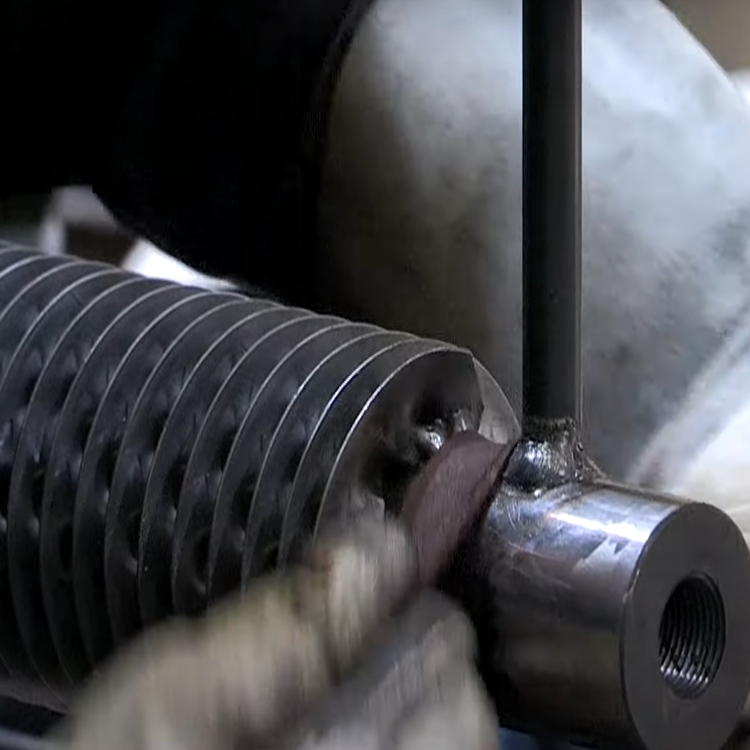
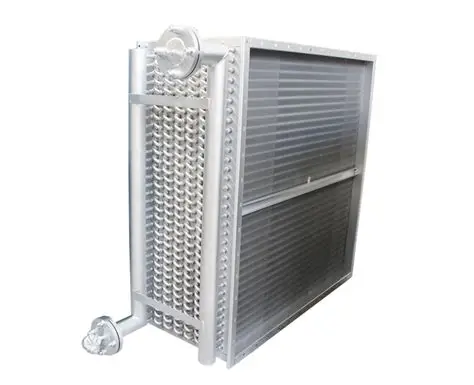
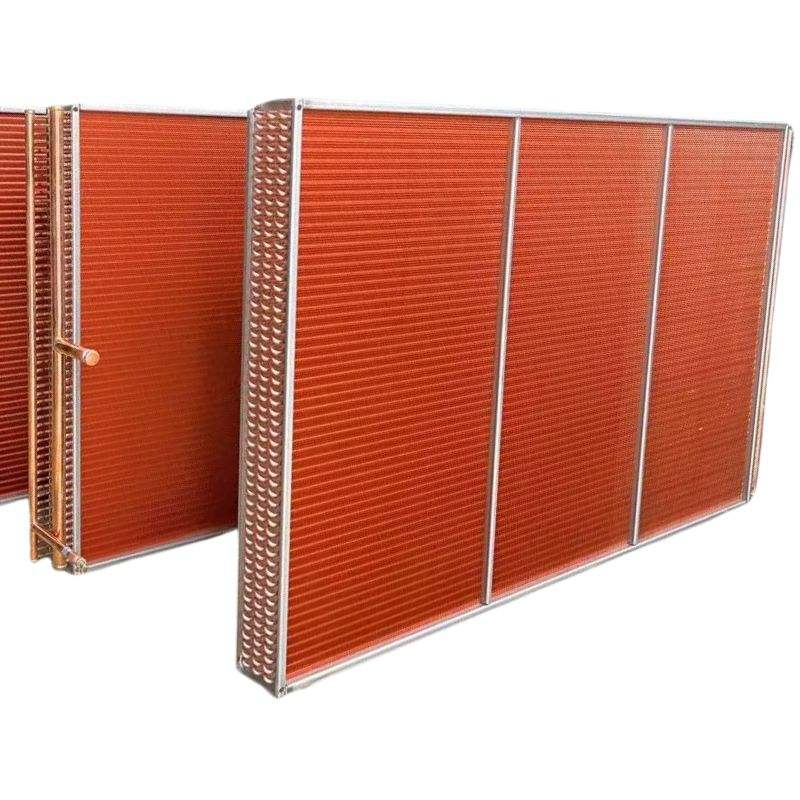
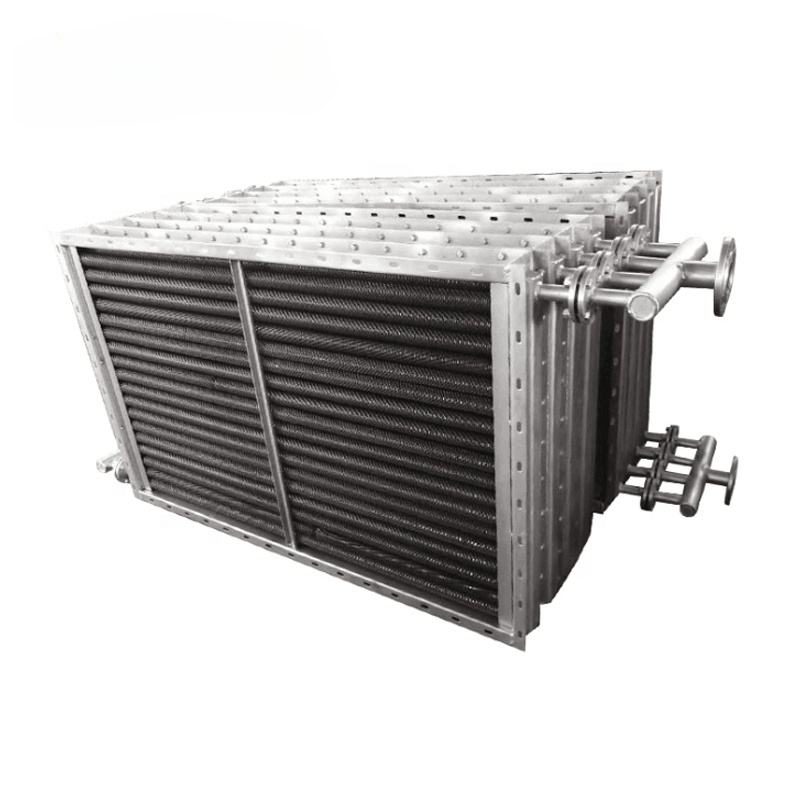
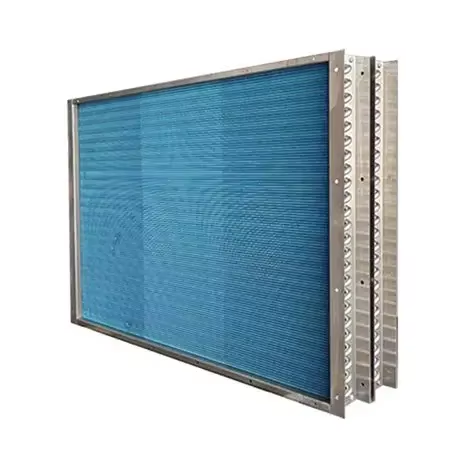
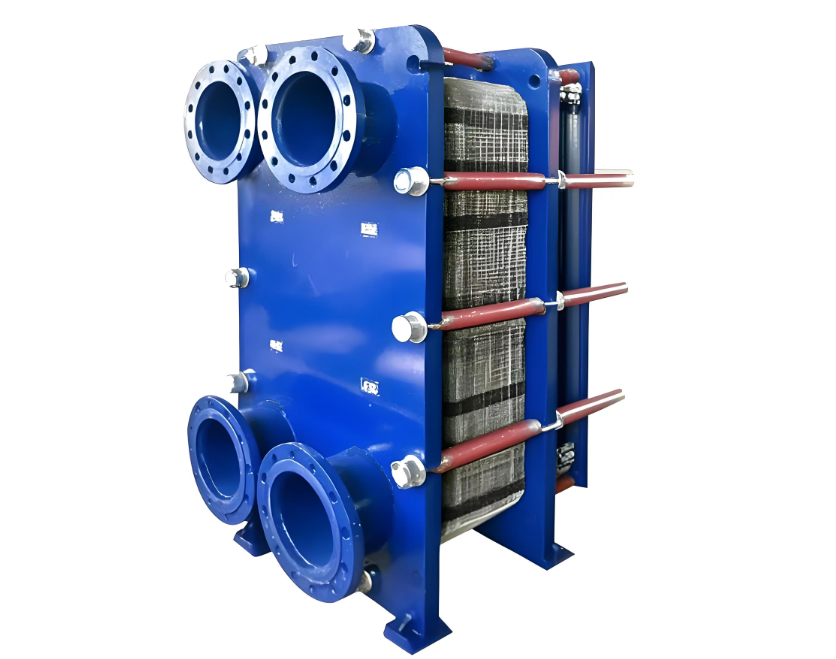
At the heart of any thermal system is the goal of achieving maximum Heat Transfer Efficiency. This concept goes beyond simple cooling; it is about the rate and effectiveness with which thermal energy is moved from one medium to another with minimal energy input. Components like Heat Exchangers are the workhorses in this domain, designed with intricate pathways and materials to maximize surface area and facilitate rapid temperature changes. For example, during the compression of hydrogen for storage, immense heat is generated. A system with poor Heat Transfer Efficiency would not only risk safety but would also consume vast amounts of energy to dissipate this heat, negating some of the environmental benefits. Therefore, high-performance Heat Exchangers are essential for making processes like hydrogen storage viable and sustainable.
The Core of Thermal Management Solutions
Comprehensive Thermal Management Solutions are engineered to provide a holistic approach to temperature regulation. It’s not just about preventing overheating but about maintaining an entire system within its optimal operating temperature range to extend its lifespan and ensure peak performance. A key factor in designing these solutions is the Thermal Conductivity of the materials used. For instance, the high-grade stainless steel often used in hydrogen storage tanks is selected for its durability and its predictable thermal properties, which are foundational to the system's overall safety and efficiency. These integrated Thermal Management Solutions ensure that every component, from storage vessels to distribution pipelines, operates with stability and predictability under fluctuating thermal loads.
Innovations in Energy Recovery and Efficient Cooling
Modern engineering pushes the boundaries of thermal control by incorporating intelligent design for Efficient Heating and Cooling. One of the most significant advancements in this area is the implementation of Energy Recovery Systems. Instead of simply venting waste heat into the atmosphere, these systems capture it and repurpose it, turning a byproduct into a valuable asset. In a large-scale industrial process like hydrogen liquefaction or compression, the captured thermal energy can be used to preheat fluids in another part of the facility or even contribute to climate control, drastically improving overall energy efficiency. This transforms basic thermal regulation into a smart, cyclical process that reduces operational costs and minimizes environmental impact, representing a major leap forward for industrial sustainability.
The Future is Efficient: Integrating Advanced Thermal Systems
The journey toward a greener, more technologically advanced world is paved with innovations that often go unseen. The success of next-generation energy solutions hinges on the meticulous engineering of Efficient Thermal Exchange. By integrating robust components, leveraging materials with superior Thermal Conductivity, and designing intelligent Energy Recovery Systems, we create infrastructure that is not only powerful but also inherently efficient and safe. These advanced systems are the silent enablers, ensuring that the clean energy technologies of tomorrow can deliver on their promise of a sustainable and prosperous future.