In nearly every industrial sector, the efficient management of thermal energy is a cornerstone of operational excellence, safety, and profitability. Central to this is the use of sophisticated thermal exchanger equipment, which facilitates the transfer of heat between two or more fluids. Choosing the right hardware is just the first step; integrating it into comprehensive heat exchanger systems that prioritize sustainability and risk management is what truly sets modern facilities apart. This equipment not only optimizes processes but also plays a vital role in reducing energy consumption and environmental impact.
1. The Workhorse: Shell and Tube Heat Exchangers
One of the most common and robust designs in the industry is the shell and tube heat exchanger. This type consists of a large cylindrical shell that encloses a bundle of tubes. One fluid flows through the tubes, while the other flows over the tubes within the shell, allowing for efficient heat transfer between them. Due to their durable construction, shell and tube heat exchangers are exceptionally well-suited for high-pressure and high-temperature applications. They are a familiar sight in oil refineries, chemical processing plants, and power generation facilities where reliability under extreme conditions is non-negotiable. Their versatility allows them to handle a wide variety of fluids, including those that are viscous or contain particulates, making them a true workhorse among industrial heat exchangers.
2. The Compact Champion: Plate Heat Exchangers
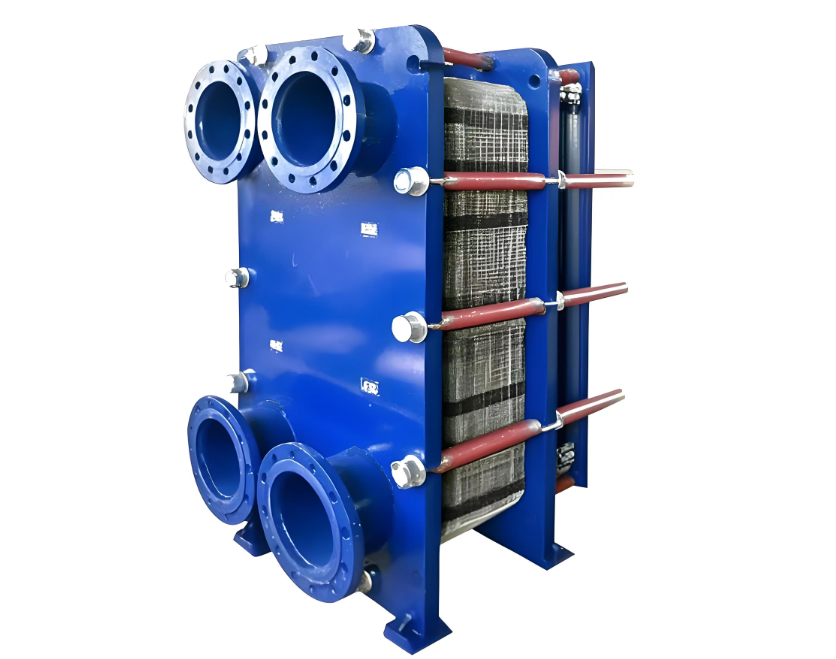
For applications where space is at a premium and high thermal efficiency is required, plate heat exchangers are often the ideal solution. These units use a series of thin, corrugated metal plates to create a large surface area for heat transfer in a much smaller footprint than their shell and tube counterparts. The fluids flow in alternating channels between the plates, creating a highly turbulent flow that enhances the rate of heat transfer. Plate heat exchangers are widely used in the food and beverage industry, HVAC systems, and chemical applications that involve less extreme temperatures and pressures. Their modular design also makes them easier to clean, service, and expand if process requirements change.
3. The Green Initiative: Heat Recovery Systems
In today's environmentally conscious world, no discussion of thermal management is complete without mentioning heat recovery systems. These systems are specifically designed to capture waste heat from an industrial process—heat that would otherwise be vented into the atmosphere—and repurpose it for another use, such as preheating feedwater, warming spaces, or driving other processes. By recycling thermal energy, heat recovery systems can dramatically reduce a facility's overall energy consumption, lower fuel costs, and shrink its carbon footprint. This makes them a critical piece of heat transfer equipment for any company committed to sustainability and operational efficiency.
4. The Future is Integrated: Advanced Thermal Exchange Technology
Modern heat transfer equipment is evolving beyond simple hardware. The future lies in advanced thermal exchange technology integrated with intelligent management platforms. Imagine a system where your entire network of heat exchangers is monitored in real-time by IoT-enabled sensors. This is the reality with state-of-the-art Industrial Sustainability and Risk Management Platforms. These solutions use predictive analytics and AI algorithms to constantly assess equipment health, predict potential failures before they happen, and prevent costly downtime. By integrating data from your thermal exchanger equipment, these platforms ensure optimal performance, enhance worker safety by identifying potential hazards, and help you meet environmental compliance with automated reporting. This holistic approach transforms a collection of individual components into a smart, self-regulating system that drives operational excellence and long-term sustainability.