When it comes to industrial heat exchange systems, the battle between traditional high-frequency welded finned tubes and modern stainless steel laser welded finned tubes has drawn significant attention. Each technology has its own merits, but understanding their differences can guide industries toward the best solution for their specific needs.
What Sets Forced Draft Finned Tube Exchangers Apart?
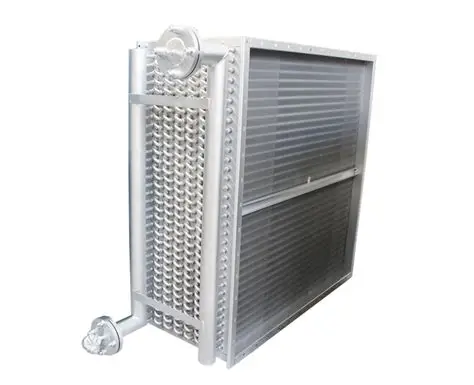
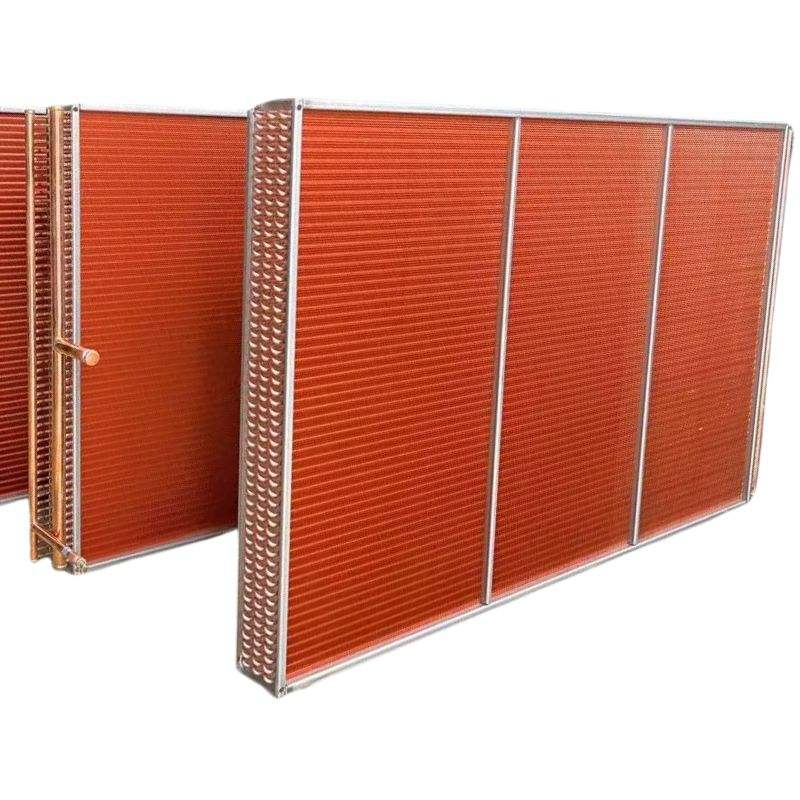
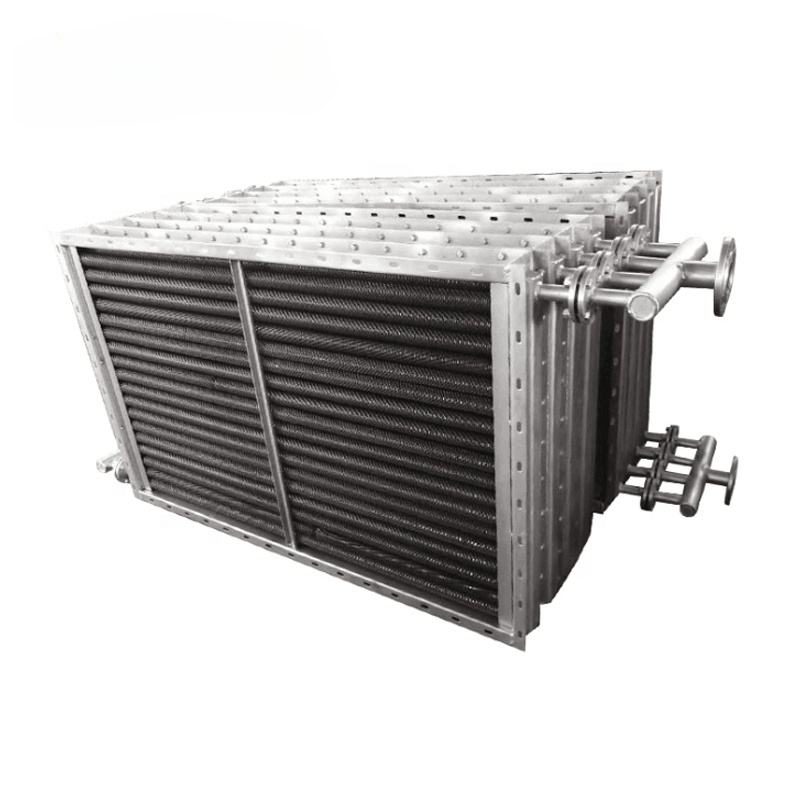
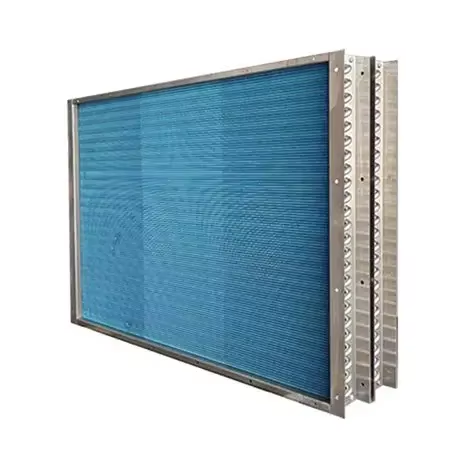
Forced draft finned tube exchangers, often utilizing finned tube heat exchangers, play a pivotal role in managing heat transfer efficiently within industrial processes. These systems rely on forced air to optimize heat exchange between the fins and base tubes. Traditional high-frequency welded finned tubes have long been the go-to solution, offering budget-friendly options for straightforward applications. However, when faced with demanding environments such as high temperatures, corrosive conditions, or vibration-heavy operations, the limitations of such systems become apparent. This is where stainless steel laser welded finned tubes redefine industry standards.
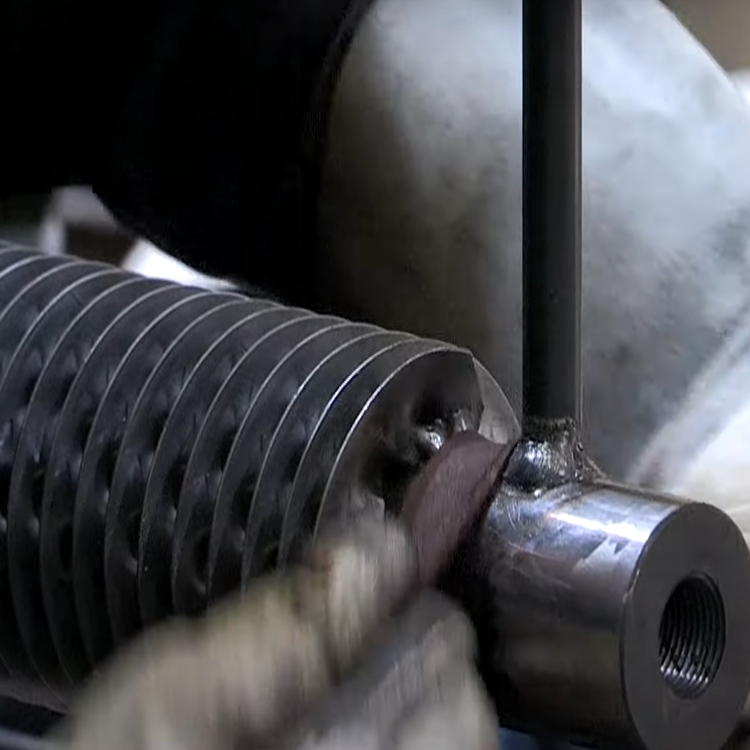
The breakthrough innovation of laser welded finned tubes, engineered for forced draft heat exchangers, provides superior heat transfer performance, boasting an 18–25% enhancement in heat transfer coefficients. Additionally, zero thermal resistance and corrosion resistance excellence make these tubes a formidable choice for applications that demand long-term reliability and energy efficiency.
Comparing Durability and Performance
Durability is a key factor when comparing forced circulation heat exchangers equipped with traditional versus laser welded finned tubes. Traditional high-frequency welding methods often result in crevice corrosion traps within the weld zones, leading to reduced service life—especially under harsh conditions like acidic and high-temperature environments. For instance, industrial finned tube exchangers utilizing traditional technology often succumb to weld-zone corrosion within 18 months when exposed to H₂S atmospheres. Conversely, stainless steel laser welded finned tubes deliver an impressive 5-year performance in the same conditions.
Moreover, laser welded finned tubes exhibit unparalleled mechanical durability, enduring vibration tests for over 200 hours without loosened fins. High-frequency welded tubes, on the other hand, typically see fin detachment after 72 hours of similar testing. The mechanical robustness and ability to withstand extreme temperature changes (200°C per minute) ensure laser welded tubes excel under dynamic operations, including those found in shipbuilding or petrochemical industries. Such attributes make them the ideal selection for forced draft finned tube exchanger benefits in rigorous applications.
Thermal Efficiency and Long-Term Cost Benefits
Thermal efficiency is another aspect where stainless steel laser welded finned tubes lead the competition. These tubes offer a remarkable heat transfer improvement validated by ASME standards, ensuring maximum energy utilization and minimal waste. For industries such as power and chemical engineering, this translates into substantial savings over long-term operations. High-frequency welded tubes, though initially cheaper (approximately $100/m versus $150/m for laser welded tubes), contribute to higher maintenance cycles and energy inefficiencies, negating their initial cost advantages.
The forced circulation heat exchangers featuring laser welded finned tubes not only optimize operating costs but also contribute to reduced total cost of ownership (TCO). With maintenance cycles halved and thermal efficiency significantly increased, industries experience optimized returns over several years. Real-world scenarios in the power and shipbuilding industries show these tubes outperforming high-frequency counterparts, with a service life reaching up to 25,000 hours versus the traditional range of 8,000–10,000 hours.
The Future of Heat Transfer with Finned Tube Design
In conclusion, choosing between traditional high-frequency welding and modern laser welding for finned tubes boils down to the needs of your specific application. While high-frequency welded finned tubes remain effective in low-demand scenarios, stainless steel laser welded finned tubes offer a performance leap, transforming the way industries approach energy efficiency and reliability. For forced draft finned tube exchangers, innovation, like laser welding technology, emerges as the future-ready solution equipped to tackle the most challenging thermal and mechanical demands.
Ultimately, for industries seeking thermal efficiency finned tubes, long-term durability, and significant cost savings, laser welded finned tubes prove to be an unbeatable choice. By understanding the unique benefits of finned tube applications, companies can shape their heat transfer strategies to meet the demands of today—and tomorrow.