Introduction to Forced Draft Finned Tube Heat Exchangers
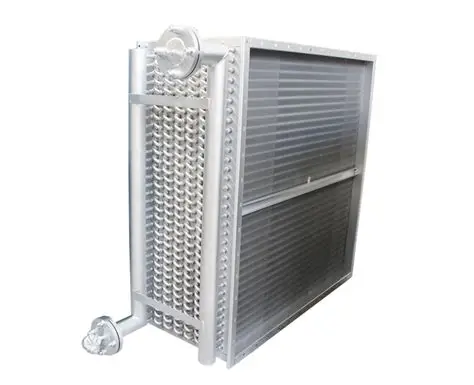
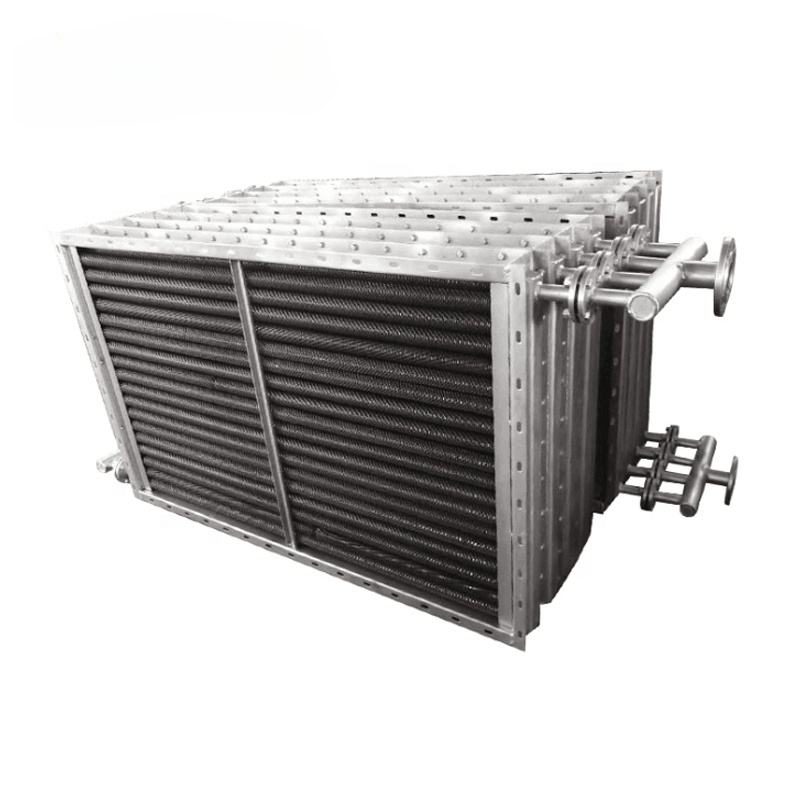
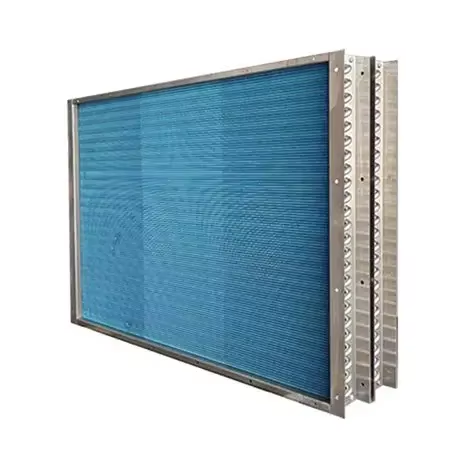
Forced Draft Finned Tube Heat Exchangers represent a revolutionary advancement in thermal engineering, specifically designed to meet the rigorous demands of large-scale industrial applications. Utilizing cutting-edge finned tube technology, these exchangers maximize thermal efficiency while minimizing energy consumption. From turbine inlet cooling systems in power plants to complex chemical processing operations in refineries, forced draft systems deliver reliable heat transfer performance, making them a cornerstone in industrial settings.
Why Choose Finned Tube Heat Exchangers?
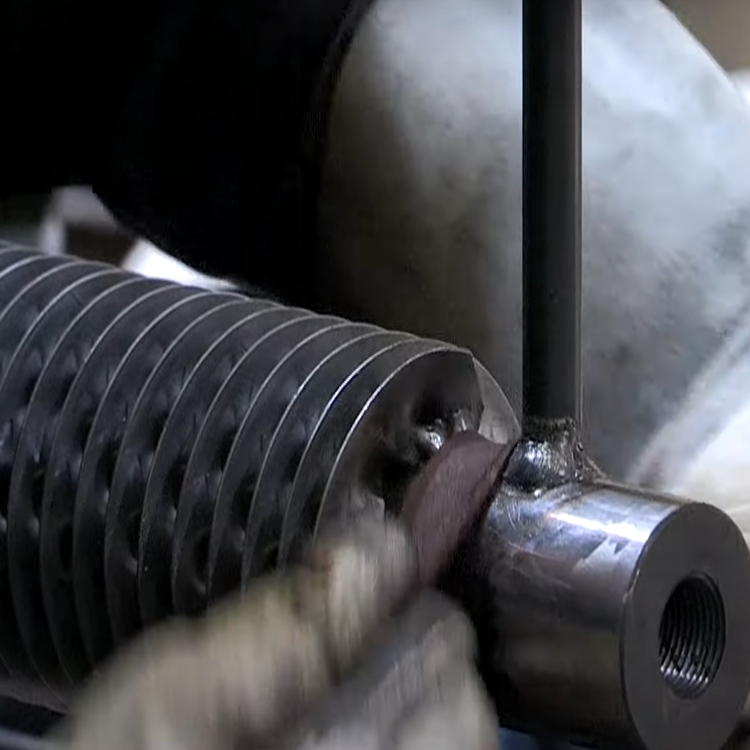
The operation of finned tube heat exchangers revolves around maximizing heat transfer while optimizing energy utilization. The key lies in their advanced finned tube design, allowing them to adapt to varying environmental and operational conditions. Whether plain, serrated, or louvered fins are required, each fin type is specifically engineered to achieve precision in thermal management.
Plain fins are ideal for cleaner air environments, offering low-maintenance and cost-effective operations. Serrated fins promote turbulence for enhanced heat transfer, making them a preferred choice in medium-load scenarios. Louvered fins, tailored for energy efficiency, direct airflow to achieve exceptional thermal management. Furthermore, staggered tube arrangements and adjustable fin pitches amplify their versatility, catering to specific needs such as resisting air fouling or boosting heat transfer in high-demand situations.
Forced Draft Configuration Advantages
One of the standout features of forced draft heat exchangers is their smart airflow configuration. By positioning the fan before the tubes, the design ensures efficient airflow while minimizing issues caused by dust accumulation. This configuration simplifies maintenance, especially in environments prone to debris. For companies prioritizing energy efficiency, induced draft setups are also available, offering optimized system outputs while maintaining low energy consumption.
The incorporation of Variable Frequency Drives (VFDs) further enhances performance by dynamically adjusting fan speeds to match thermal demand. By preventing energy waste during fluctuating loads, VFDs add another layer of precision and efficiency to the system.
Durability and Longevity
Durability is a hallmark of the Forced Draft Finned Tube Heat Exchanger. Aluminum fins provide robust corrosion resistance, making them ideal for open-air installations, while stainless-steel tubes endure high pressures and extreme temperatures. These features are especially beneficial for industries like oil and gas and chemical processing, where reliability under demanding conditions is non-negotiable.
In addition to physical resilience, the system is built for easy maintenance and diagnostics. Air-side cleaning systems utilizing compressed air or water keep the exchanger free of debris, and automated brush units ensure continuous cleaning without manual intervention. Diagnostic sensors offer real-time data, providing operators with critical insights to prevent fouling and maintain efficiency.
Applications and Benefits
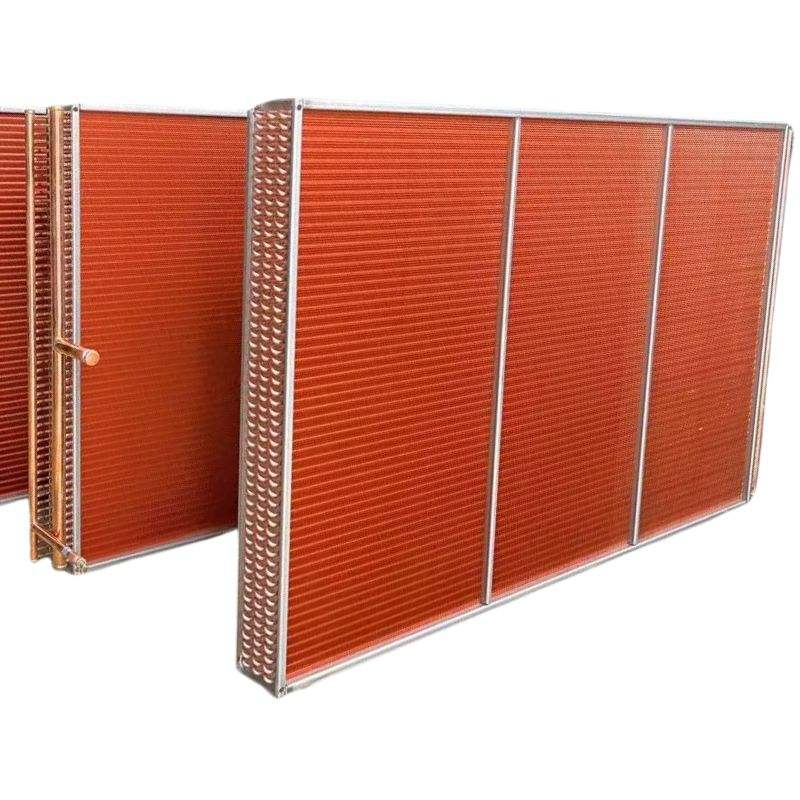
Industrial finned tube exchangers have numerous applications, ranging from waste heat recovery and optimizing process fluid flow to insulating critical ducts and pipes. Their versatility allows integration across various industries, enhancing system efficiency while reducing operating costs. The benefits of finned tube exchangers include higher thermal efficiency, lower maintenance requirements, and the ability to operate in challenging environments—truly transforming heat transfer into an art form.
Conclusion
The Forced Draft Finned Tube Heat Exchanger embodies engineering ingenuity, reliability, and sustainability. It serves as a testament to modern advancements in heat transfer technology, offering unmatched performance for diverse industrial scenarios. Whether addressing the needs of sprawling power plants or meticulous chemical refineries, this innovative solution optimizes operational excellence. Companies seeking cutting-edge efficiency and adaptability will find success with the Forced Draft Finned Tube Heat Exchanger. Experience the pinnacle of thermal efficiency and innovation today.