Introducing Heat Exchanger Gaskets
In the fast-evolving industrial landscape, heat exchangers are vital components that ensure the efficient transfer of heat across a variety of applications. A key element in maintaining the functionality and integrity of these systems is the use of high-performance heat exchanger gaskets. These gaskets play a crucial role in preventing leaks, sustaining the pressure, and managing the temperature shifts that occur during operations. From chemical-resistant gaskets for harsh environments to PTFE and elastomer varieties designed for specific applications, selecting the right gasket is essential for optimal performance.
Features and Benefits of Plate Heat Exchanger Gaskets
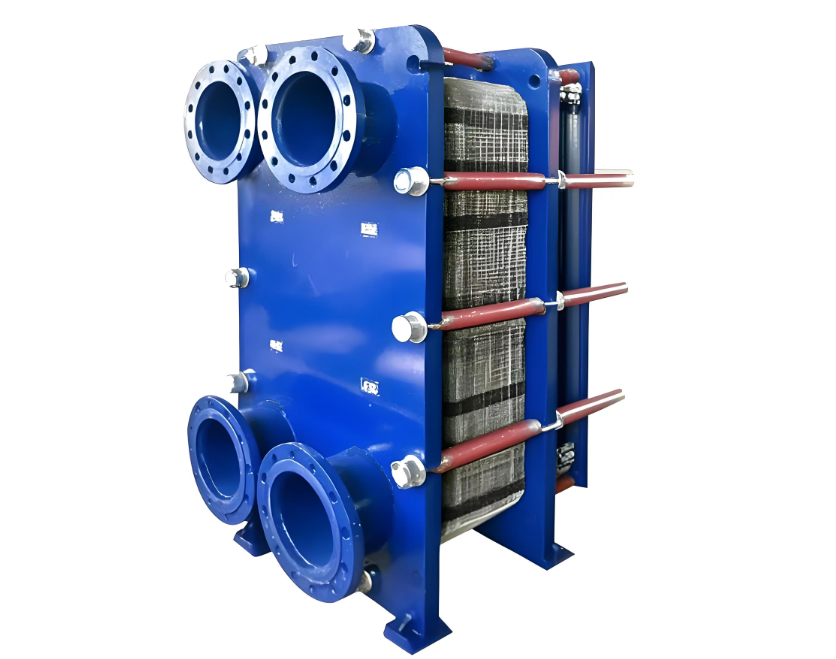
Among the different types of heat exchanger gaskets, Plate Heat Exchanger Gaskets stand out due to their remarkable durability and precision. These gaskets are designed to fit seamlessly with specific plate-and-frame heat exchangers, offering a range of materials like Viton® (FKM), PTFE, NBR, and EPDM to cater to diverse industrial needs. The ability to withstand temperatures from -40°C to +230°C and pressures up to 25 bar makes them versatile in applications, from the HVAC and refrigeration industries to chemical processing and marine systems.
The robust construction ensures that these gaskets resist deformation and compression over time, which is particularly critical in maintaining the efficiency of systems exposed to chemicals or extreme conditions. The custom-molded designs guarantee compatibility with leading brands, ensuring minimal leakage and preventing cross-contamination. Such traits underscore their status as the gold standard in the domain of industrial heat exchanger gaskets.
Application and Industry Relevance
The significance of using the correct gasket material cannot be overstated, especially in industries like power generation, food and beverage, and construction where the reliability and safety of heat exchangers are imperative. For instance, in chemical processing plants where exposure to acids and bases is common, chemical-resistant heat exchangers with suitable gaskets ensure steadfast performance. Similarly, in the food and beverage industry, FDA-approved gaskets support hygienic processing by preventing refrigerant leaks in chillers and heat pumps, highlighting their indispensable role.
In the marine and offshore sector, oil and gas facilities rely on these industrial heat exchanger gaskets to withstand saltwater's corrosive effects. By delivering tailored solutions that align perfectly with the complexities of these verticals, Plate Heat Exchanger Gaskets fortify operations against environmental challenges. For power plants, where maintaining high steam temperatures and pressures is critical, these gaskets stand as a testament to reliability under intense conditions.
In summary, choosing the right heat exchanger seals for your system can significantly impact performance, efficiency, and safety, ensuring your industrial endeavors remain unyielding under diverse conditions. Whether it is achieving superior chemical resistance or enduring high temperatures, the right gasket materials for chemicals provide the balance of cost, flexibility, and compatibility you need for success.