Understanding Waste Heat Recovery Technology
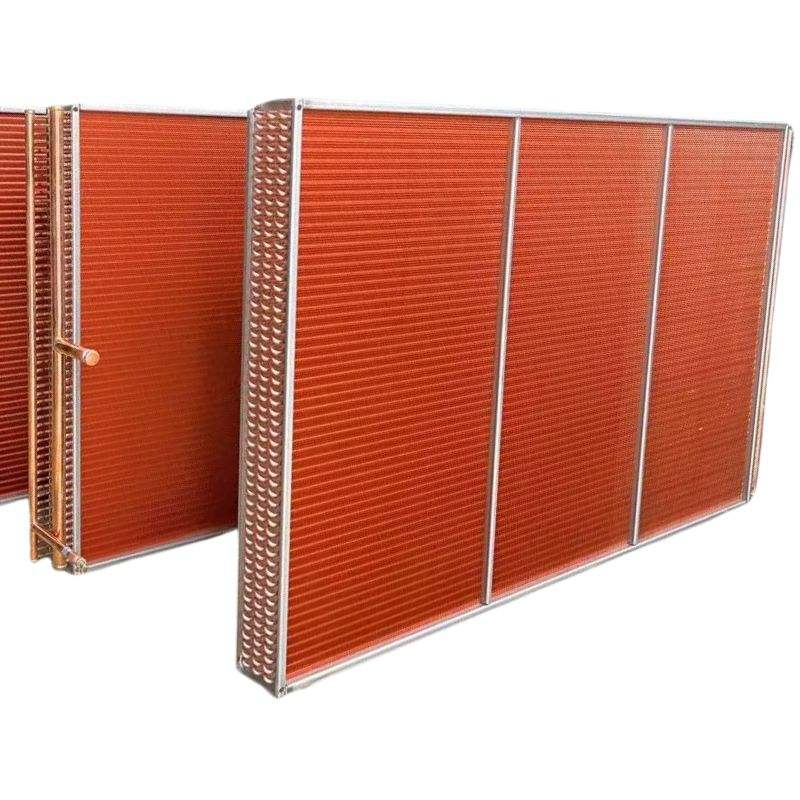
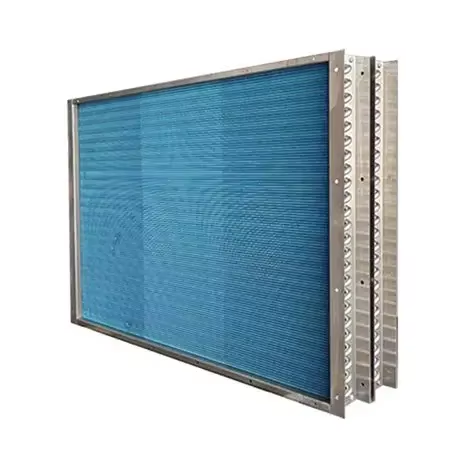
Waste thermal recovery technology has quickly gained the ability to optimize energy use and enhance sustainability across the industry. One of the most efficient systems in this domain is the gas-to-gas waste heat recovery unit, which maximizes thermal efficiency while reducing energy consumption. These units are crucial in industries that strive to achieve a thermal efficiency of 85% without disrupting their operating output.
Waste heat recovery systems can greatly improve operational efficiency by restoring wasted energy during processes such as heating, cooling or air drying. Industrial thermal recovery systems not only support energy efficiency solutions, but also promote a greener footprint by minimizing thermal energy losses.
The role of steam plate heat exchangers in industrial efficiency
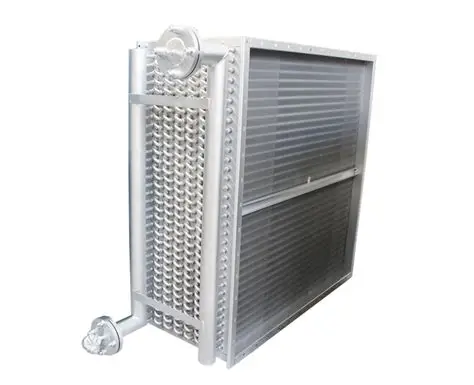
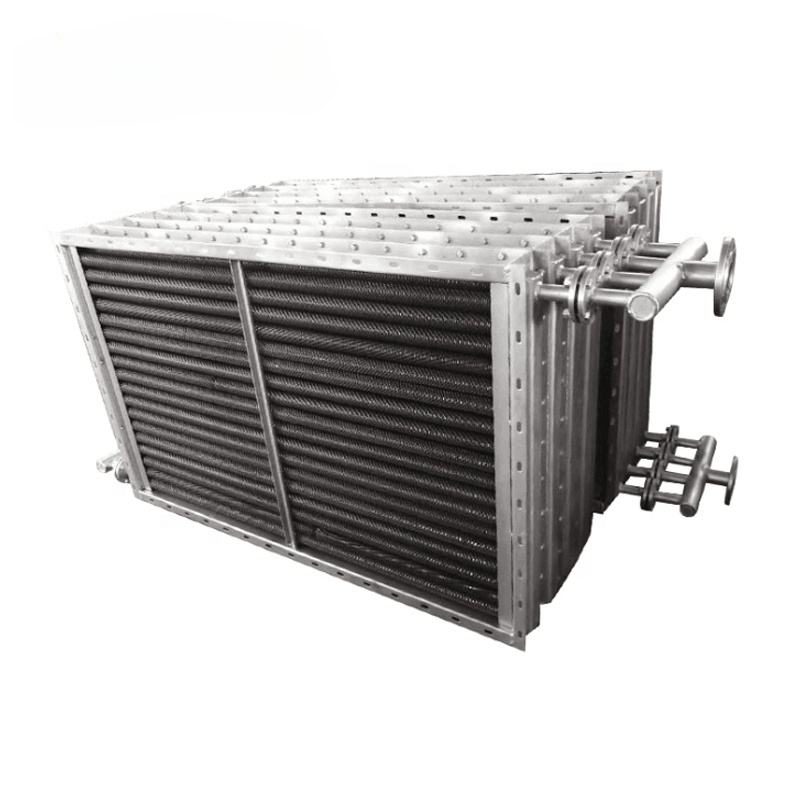
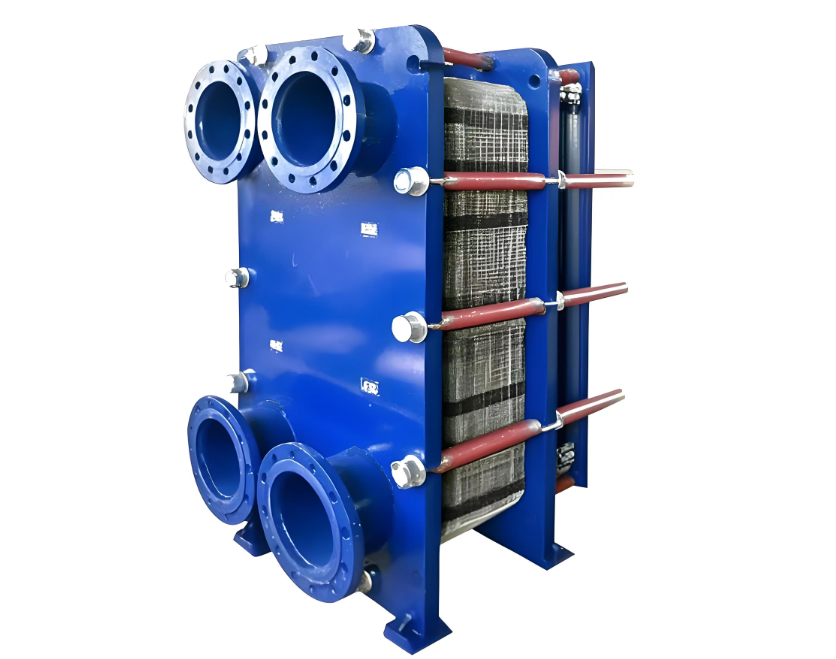
Introducing steam engine plate heat exchangers - a cutting-edge solution to redefine industrial thermal recovery. The system demonstrates elegance, innovation and unparalleled capabilities that convert waste heat utilization into reliable energy sources. Its compact design, lightweight components and precise engineering make it ideal for industries that handle large-scale heat transfer requirements.
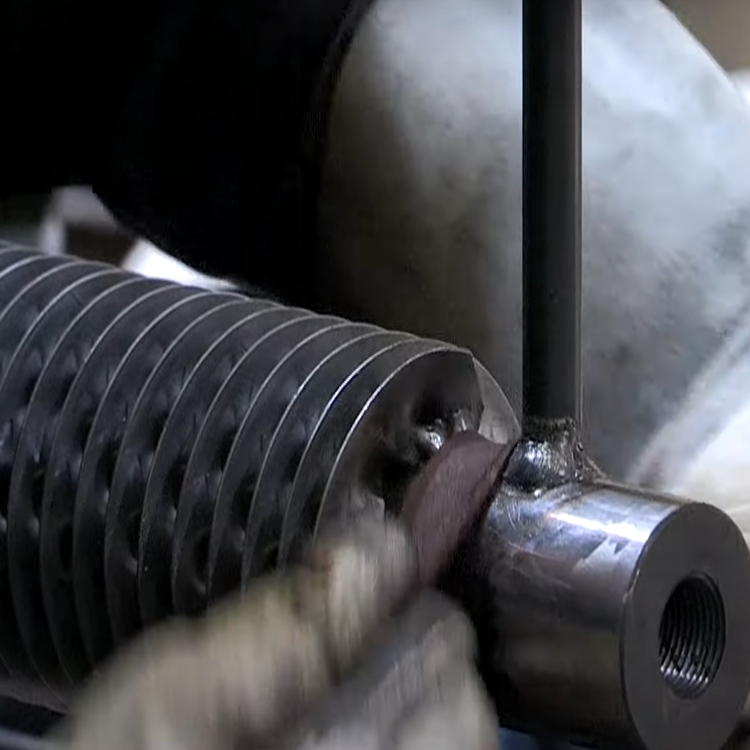
Corrected cardboard design ensures high heat transfer efficiency, thereby promoting rapid and uniform heat exchange between steam and air. Its modular construction simplifies maintenance and ensures minimal operating downtime. The heat exchanger is constructed in corrosion-resistant stainless steel or titanium, which remains durable even in challenging environments such as chemically heavy industries or high moisture environments. Whether used in food and beverage, textiles, pharmaceuticals or HVAC applications, steam engine heat exchangers are ready to meet a variety of industrial needs.
Promote energy conservation and sustainability
Using advanced thermal recovery systems, the industry can greatly reduce its dependence on major energy sources. By integrating solutions such as gas-to-gas waste heat recovery units and steam-air plate heat exchangers, businesses can save up to 30% or more of energy. These systems ensure control airflow with low pressure drops, thereby optimizing thermal efficiency systems for cost-effective results. In addition, the seamless integration of IoT technologies for real-time performance monitoring is enhancing the operating value of these systems.
Modern thermal recovery system suppliers should not only prioritize operational efficiency, but also prioritize environmental responsibilities. By minimizing waste and reclaiming heat, businesses can effectively achieve strict sustainability goals while reducing utility costs. Combining ecologically conscious technology with cost savings makes waste heat recovery technology an important part of the avant-garde industry in the future.
Opportunities to explore the future
With the development of the industry, the demand for innovative gas exhaust gas recovery systems continues to rise. Nanocoated panels, scalable airflow capacity and IoT integration are advances that promise to improve the competitiveness and versatility of thermal energy recovery technologies. Using configurations suitable for small facilities and a large number of industrial settings, these systems seamlessly adapt to different requirements.
The emphasis on sustainability and adaptability makes these systems essential to the modern industry. From solutions that enhance energy efficiency to supporting waste heat utilization, gas-to-gas waste recycling units, coupled with steam engine plate heat exchangers, embodying the perfect blend of innovation and reliability. As businesses strive for operational excellence and environmental harmony, these technologies pave the way for green and smarter industrial processes.